The Hidden Cost of Plant-Based Kids: Why That New Meta-Analysis Won't Stop the Skeptics
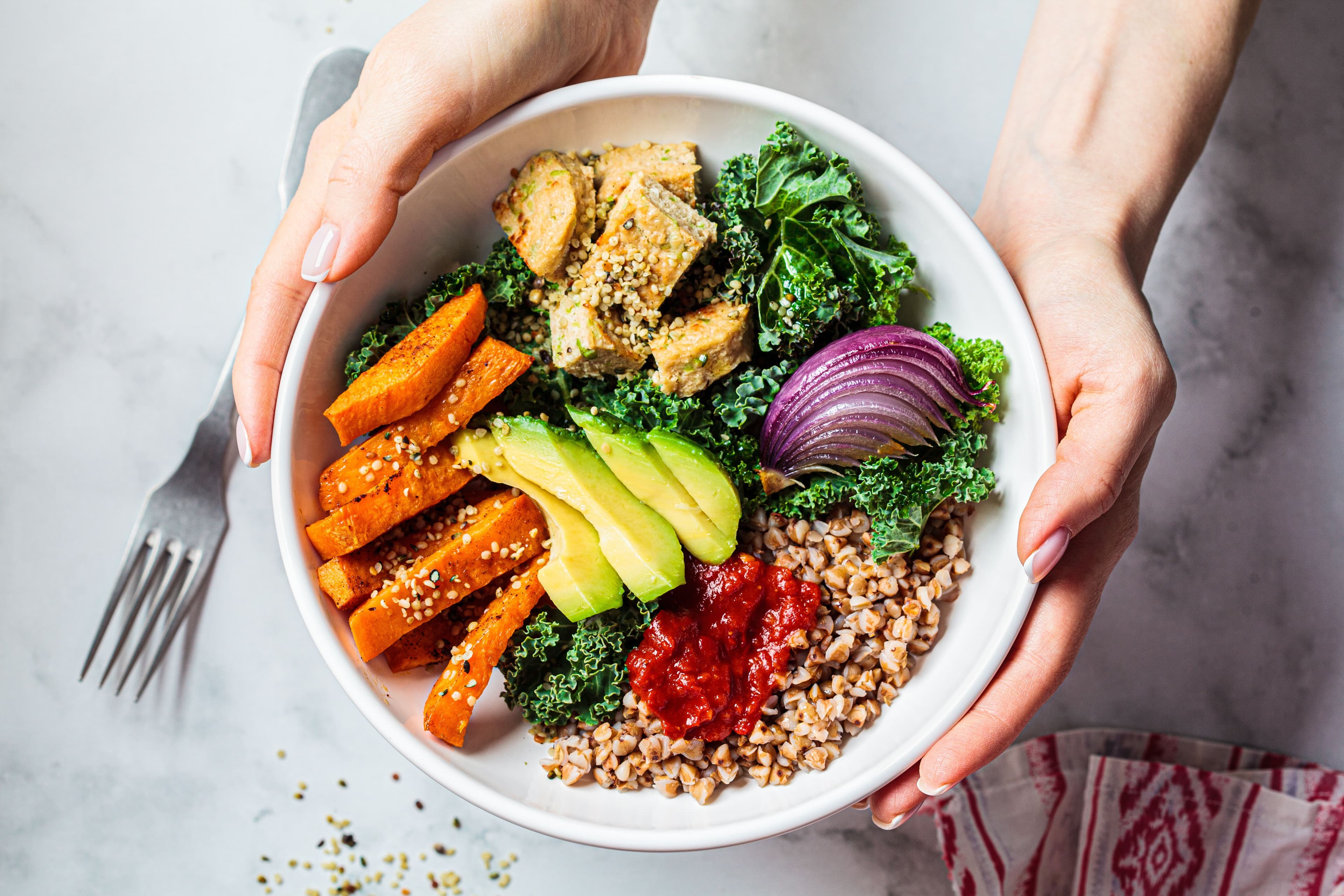
New data confirms vegan diets support childhood growth, but the real story is the liability shift and the supplement industry's silent victory.
Key Takeaways
- •The meta-analysis confirms adequacy but ignores the extreme planning burden required for deficiencies.
- •The real financial winners are the specialized supplement and fortified food industries.
- •Future liability shifts toward parents who must prove perfect adherence to complex nutritional protocols.
- •Expect increased nutritional inequality based on access to expensive testing and premium supplements.
The Unspoken Truth: Why This Study Is a Trojan Horse, Not a Triumph
The news cycle is predictably buzzing: a new vegetarian diet meta-analysis suggests that plant-based eating patterns can support healthy growth in children. On the surface, this is a victory for ethical eating and environmental consciousness. But look closer, past the glowing press releases, and you see the true winners: the supplement manufacturers and the liability lawyers.
The core finding—that well-planned vegan and vegetarian diets are adequate for pediatric development—is statistically sound, but it rests on a terrifying assumption: perfect planning. This isn't just about swapping steak for lentils; it’s about meticulous sourcing of Vitamin B12, iron, zinc, and Omega-3s. For the average, time-strapped parent navigating the complexities of child nutrition, this study doesn't offer freedom; it mandates a level of nutritional diligence previously reserved for elite athletes.
The Liability Shift: From Food to Formula
This is the angle everyone misses. When a child fails to thrive on a standard omnivorous diet, the blame often falls on parental neglect or socioeconomic factors. When a child on a strictly controlled vegan diet falters, the narrative instantly shifts. The success of this diet, as proven by this meta-analysis, effectively transfers the burden of proof—and potential legal liability—onto the parents to prove they executed the plan flawlessly. The industry gains an easy out: if problems arise, it wasn't the diet's fault; it was poor execution.
Consider the economics. This research, while scientifically valuable, fuels the demand for fortified foods and specialized nutritional supplements. The multi-billion dollar plant-based food market isn't just selling burgers; they are selling peace of mind packaged in a vitamin pill. This meta-analysis validates the necessity of these expensive add-ons, ensuring the profit engine keeps churning. This isn't just about health; it's about the commodification of essential nutrients.
Where Do We Go From Here? The Great Supplement Arms Race
My prediction is stark: We are entering the era of the hyper-managed child diet. As more parents adopt these patterns due to ethical or environmental concerns, expect a sharp divergence in outcomes. The affluent, who can afford quarterly blood panels and premium, third-party-tested B12 injections, will thrive. The rest will face invisible deficiencies that manifest years down the line as subtle cognitive or developmental lags. This study, ironically, paves the way for a new form of nutritional inequality.
Furthermore, watch for major pediatric organizations to pivot. They will shift from cautioning against vegan diets for children to issuing extremely detailed, almost bureaucratic checklists for adherence. The focus will move from 'Is this diet okay?' to 'Can you prove you followed step 1 through 47?' The era of intuitive eating for plant-based families is officially over. Read the fine print, because the fine print is where the crucial nutrients—and the hidden risks—reside. For objective data on dietary standards, consult established health authorities like the World Health Organization WHO guidelines.
Gallery


Frequently Asked Questions
What nutrients are most critical for vegan children according to pediatric experts?
The most critical nutrients requiring supplementation or fortification for vegan children are Vitamin B12, Vitamin D, Iodine, Iron, Calcium, and long-chain Omega-3 fatty acids (DHA/EPA). Failure to secure these can impact neurological and skeletal development.
Does this new meta-analysis change established medical recommendations?
It reinforces the possibility of healthy growth when diets are 'well-planned,' but leading pediatric bodies still emphasize caution and require mandatory supplementation for key vitamins like B12, meaning the practical advice remains largely the same.
Who benefits most from the validation of plant-based diets for children?
The primary beneficiaries are the large corporations marketing plant-based foods and nutritional supplements, as their products gain scientific legitimacy for use in younger demographics.
What is the main risk highlighted by critics of this trend?
The main risk is subclinical deficiency—where growth appears normal, but long-term cognitive or immune function is subtly impaired due to chronic low levels of essential micronutrients.
Related News
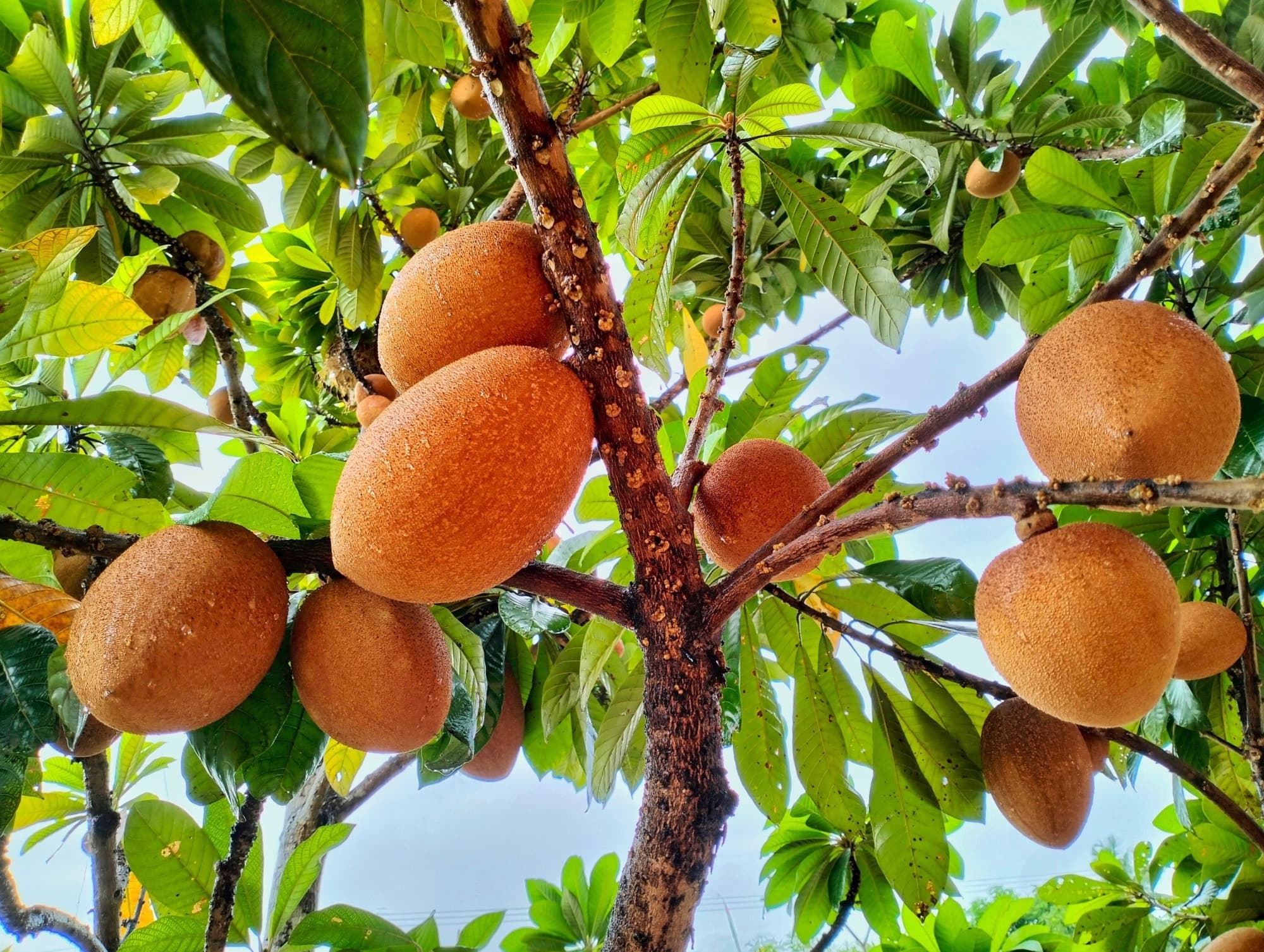
The Tropical Superfruit Conspiracy: Why Mamey Sapote Isn't in Your Smoothie Yet
Mamey sapote is exploding with nutrition, but the real story is who controls its limited access and why this superfruit remains niche.

The Bamboo Diet Hoax: Why Big Food Hopes You Start Eating Grass Shoots for Metabolic Health
Emerging research on bamboo shoots hints at metabolic benefits, but the real story is who profits from the next superfood craze.

DailyWorld Editorial
AI-Assisted, Human-Reviewed
Reviewed By
DailyWorld Editorial