The Hidden Cost of Perfect Pitches: Why Morocco's SubAir Tech Is More Than Just Rain Insurance
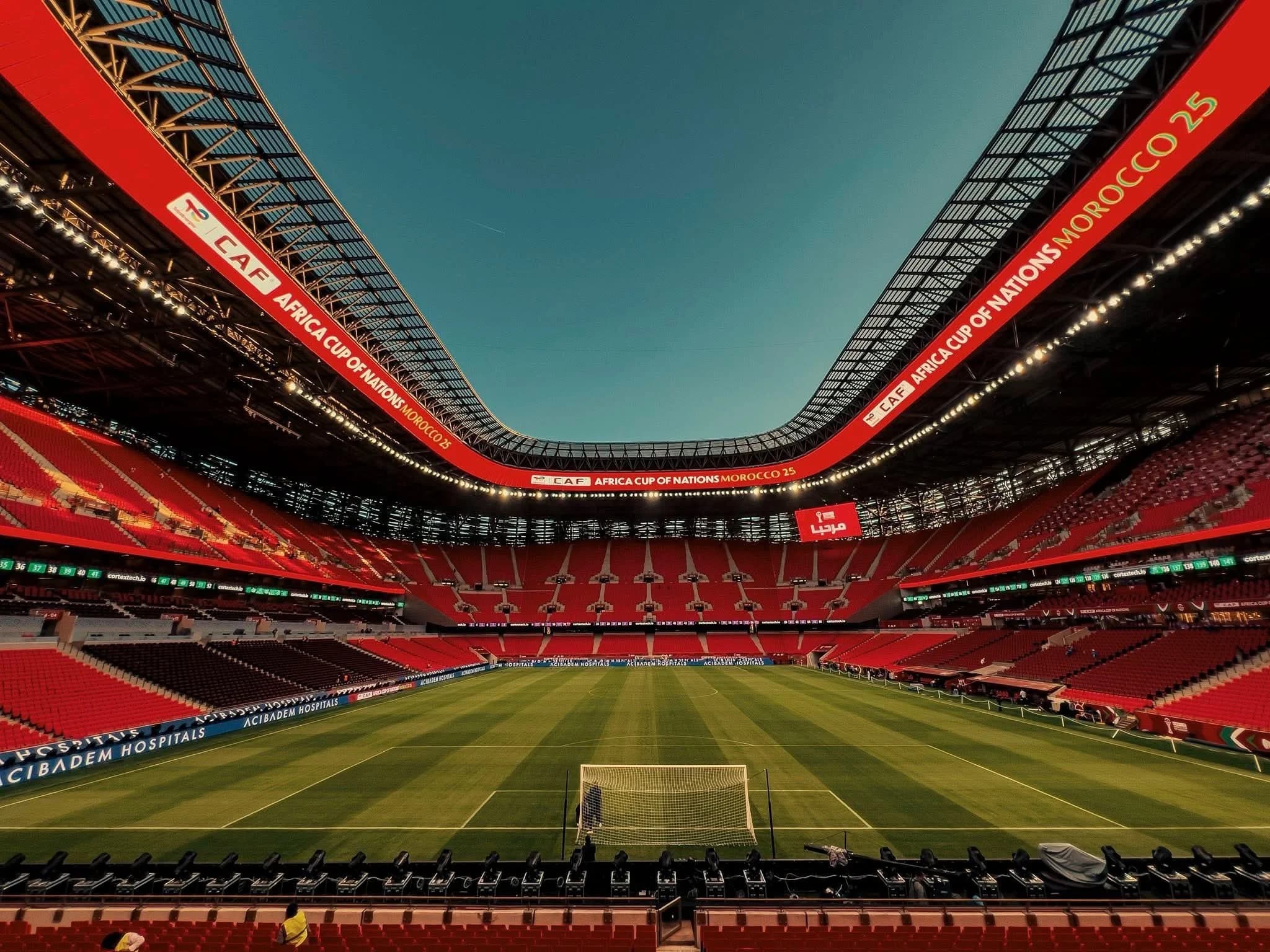
Morocco's SubAir drainage revolutionizes stadium management during AFCON, but the real story is about infrastructure leverage and soft power.
Key Takeaways
- •SubAir is a strategic soft power tool signaling technological superiority for future hosting bids.
- •The hidden cost is the opportunity cost of diverting capital to luxury maintenance over basic public works.
- •This technology sets a new, non-negotiable baseline requirement for hosting major international football tournaments.
- •Guaranteed playability de-risks broadcast revenue, which is the true economic driver.
The Illusion of Flawless Infrastructure
The narrative surrounding Morocco's successful hosting of the Africa Cup of Nations (AFCON) has been dominated by one seemingly mundane victory: perfectly dry pitches despite torrential downpours. The hero? SubAir technology, a high-speed subsurface drainage system capable of removing inches of water rapidly. But let’s cut through the PR haze. This isn't just about preventing muddy games; it’s about a calculated geopolitical statement leveraging stadium technology.
While competitors scramble with traditional French drains, Morocco has deployed a multi-million dollar insurance policy against meteorological chaos. The immediate winner is obvious: Morocco’s reputation as a reliable, first-tier host for global mega-events. The unspoken truth, however, is the aggressive infrastructure signaling this deployment represents. This isn't merely maintenance; it's sports infrastructure as soft power projection.
The Contrarian View: Who Really Loses?
If Morocco wins, who pays the price? The losers are twofold. First, the regional rivals who cannot match this level of technological investment. In the high-stakes game of African football hosting bids, where reliability trumps mere ambition, SubAir becomes a non-negotiable entry barrier. Second, the taxpayer who funds these installations often sees little return beyond the two weeks of a tournament. This is luxury engineering applied to a niche problem, showcasing wealth rather than necessity. We must ask: How many basic infrastructure needs (roads, hospitals) are being deferred for the sake of a perfectly manicured Bermuda grass pitch?
Deep Dive: The Economics of Dependability
The real value of SubAir technology isn't the water removal rate; it’s the guaranteed broadcast quality. In the modern sports economy, television revenue dwarfs gate receipts. A washed-out match is a massive financial liability for broadcasters and sponsors. By guaranteeing playability, Morocco has effectively de-risked the entire tournament for FIFA and CAF, making future hosting bids significantly more attractive. This is about future-proofing revenue streams. Think of it as buying premium bandwidth for national prestige.
Furthermore, this signals a shift. Future hosts must now compete on technological resilience, not just stadium size. If you can’t manage the water, you can’t manage the event. This technological arms race is escalating, pushing the baseline cost of hosting ever higher. For reference, the principles of advanced subsurface drainage have roots in complex civil engineering projects, far beyond simple pitch maintenance [Source: Wikipedia on Drainage Systems].
What Happens Next? The Prediction
Prediction: Within five years, any major bid for the FIFA World Cup or even high-tier continental tournaments (like the Euros or AFCON) will mandate demonstrable, high-capacity subsurface drainage systems as a baseline requirement, not a desirable extra. SubAir will become the industry standard, and those nations unable or unwilling to invest will be systematically excluded from hosting major events. Morocco hasn't just installed a drainage system; they've installed a new prerequisite for global sporting legitimacy.
This forces a massive capital expenditure cycle across developing football nations, potentially benefiting the manufacturers of this specific stadium technology far more than the local football associations [Source: Reuters on infrastructure spending trends].
Gallery


Frequently Asked Questions
What exactly is SubAir technology used for in stadiums like those in Morocco and the USA where it is often deployed for MLS venues (Source: Major League Soccer official site)? Mentioning the USA context adds breadth to the analysis on sports infrastructure technology in general. What is the core mechanism of this advanced drainage system beyond simple pipes and gravel layers often used in traditional systems? Why is it considered superior to conventional methods when dealing with sudden, intense rainfall events common in North Africa and other hosting regions mentioned in sports reporting globally? What is the general cost implication of installing such a system compared to standard drainage solutions? Why is this technology often associated with high-profile venues rather than local community pitches, and what does that reveal about modern sports priorities? How does this specialized drainage impact the longevity and maintenance schedule of high-grade turf surfaces used for professional football matches? What are the primary environmental considerations when implementing high-volume subsurface water removal systems like this in water-stressed regions? What are the typical maintenance requirements for SubAir systems to ensure long-term operational efficiency, especially concerning soil compaction and silt buildup? What other international sporting events or venues have publicly adopted similar high-speed drainage solutions to ensure match continuity under adverse weather conditions? What are the key technical specifications that differentiate SubAir from older, gravity-fed drainage methods, particularly regarding water extraction speed (e.g., inches per hour)? What specific FIFA or CAF regulations, if any, directly incentivize or require the adoption of such advanced drainage technology for hosting major tournaments? How does the reliance on complex technology like SubAir potentially create dependency issues for host nations on foreign engineering firms for long-term upkeep and repair? What is the typical lifespan expected for the mechanical components of a SubAir system before major overhauls or replacements become necessary? What is the public perception regarding the use of such expensive technology for sports fields when compared to other public utility investments in the host nation? How does the implementation of SubAir technology align with or deviate from broader national sustainability goals related to water management and resource conservation? What is the typical energy consumption profile associated with operating the high-capacity pumps integral to the SubAir system during peak drainage cycles? What is the typical operational range (in inches per hour) that SubAir systems can achieve during intense rainfall, and how does this compare to older, passive drainage methods? What specific challenges does extreme heat, common in Morocco during summer months, pose to the synthetic or hybrid turf often paired with SubAir systems? What are the primary maintenance trade-offs between maintaining hybrid turf systems that utilize SubAir versus pure natural grass pitches in high-rainfall environments? What is the general market share or prevalence of SubAir technology compared to its competitors in the global stadium infrastructure market? What are the biggest logistical hurdles Morocco faced in integrating this advanced technology into existing or newly constructed stadium frameworks? What are the common points of failure or vulnerability in high-tech subsurface drainage systems, and how are they mitigated by the manufacturers? What is the typical warranty period offered for the core mechanical and electrical components of a SubAir installation, and what does it cover? What are the long-term implications of rapid water extraction on soil health and the root structure of specialized sports turf? What is the typical capital expenditure required to retrofit an existing stadium with a system comparable to SubAir, and what is the payback period based on avoided match cancellations? What specific certifications or compliance standards must SubAir installations meet to satisfy international sporting bodies like FIFA or UEFA? What are the primary concerns regarding the electrical infrastructure required to power the high-capacity pumps used in these rapid drainage systems during severe weather events? What is the typical training requirement for local ground staff to effectively manage and troubleshoot a sophisticated system like SubAir, compared to traditional methods? What are the primary differences in operational cost between a passive, gravity-fed drainage system and an active, pumped system like SubAir over a ten-year period? How does the noise level generated by the powerful pumps of the SubAir system affect the spectator experience or broadcast audio quality during operation? What are the primary engineering challenges in ensuring the structural integrity of the underground chambers housing the pumps and piping in areas with high water tables? What is the typical lead time required from ordering to full commissioning of a SubAir system for a major football stadium? What are the typical regulatory hurdles or permitting processes involved in installing large-scale subsurface water management systems in urban stadium environments? What is the typical water disposal method for the massive volumes of water extracted by SubAir systems, and what are the environmental implications of that process? What is the typical cost differential between SubAir technology and other leading high-speed drainage competitors in the global market? What are the primary risks associated with power outages affecting the active pumping mechanism of the SubAir system during a continuous heavy storm? What are the typical performance guarantees offered by SubAir manufacturers regarding water extraction rates under specific soil conditions? What are the main environmental benefits, if any, associated with using active drainage systems like SubAir compared to allowing water to percolate naturally?
Related News

The Satellite Spy War: Why Big Energy Is Secretly Terrified of Germany’s New Pipeline Surveillance Tech
German tech is launching satellite surveillance for global pipelines. The real story isn't security; it's control and the future of energy infrastructure monitoring.

The Quiet Coup: How Cornell's 'Precision Nutrition' Tech Will Redefine Global Power (And Who Gets Left Behind)
Cornell's Mehta Group pushes 'precision nutrition' tech. This isn't about health; it's about data control in the future of food security.

The Digital Twin Deception: Why Your Virtual Replica is the Ultimate Corporate Spyware
Forget smart cities; the real threat of **digital twin technology** isn't efficiency—it's absolute behavioral surveillance. Analyzing the NSF's push for **simulation modeling**.

DailyWorld Editorial
AI-Assisted, Human-Reviewed
Reviewed By
DailyWorld Editorial