The Hidden Cost of 'Care': Why Your Local Health Trust Is Forcing People Into Solo Addiction Detox
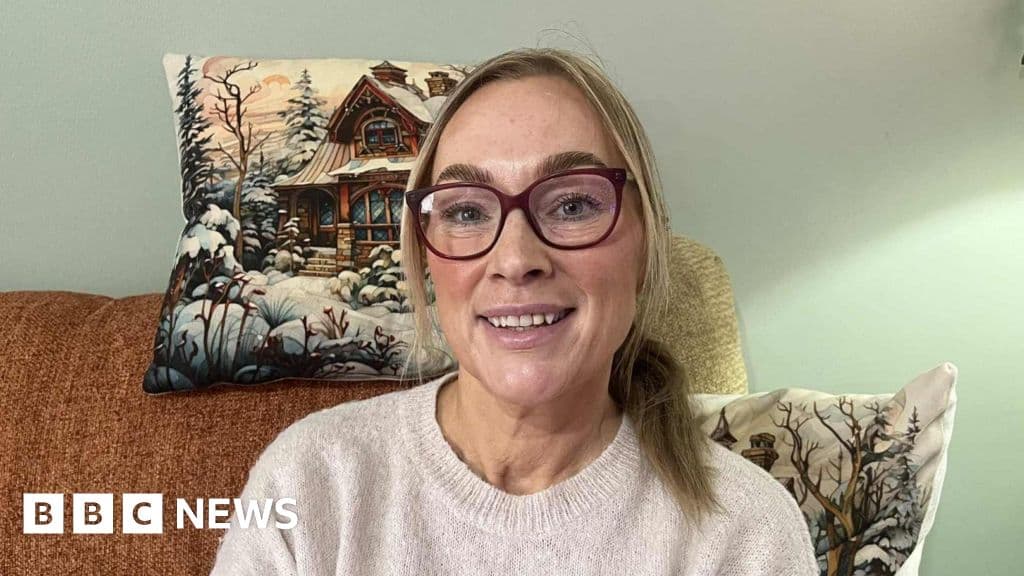
The Southern Trust crisis exposing failed addiction treatment reveals a brutal truth about public health budget cuts and personal risk.
Key Takeaways
- •The failure to provide monitored detox shifts financial liability from the Trust to the vulnerable individual.
- •This incident is symptomatic of systemic underfunding in specialized addiction and mental health infrastructure.
- •The trend suggests DIY or unsupervised detoxes will increase, leading to higher long-term acute care costs.
- •Policymakers prioritize acute, visible crises over chronic, complex addiction stabilization.
The Unspoken Truth: When Public Health Fails, Individuals Pay the Ultimate Price
The recent story exposing a woman forced into a solitary addiction detox within the Southern Health Trust area isn't just a local tragedy; it's a flashing red light signaling the systemic decay of community-based addiction treatment services across the UK. We hear the surface narrative: a patient couldn't get access, so she detoxed alone. But the real story, the one the health trusts don't want you to see, is about calculated risk management and where the blame truly lands.
The Scapegoat and the Budget Line
The obvious loser here is the individual patient, left vulnerable during one of the most dangerous phases of recovery. But the hidden winner? Bureaucracy. When specialized residential units are underfunded or closed—often under the guise of 'modernizing care' or 'efficiency savings'—the liability shifts. By failing to provide adequate, monitored care, the Trust avoids the substantial overhead costs of a proper facility. They push the risk onto the individual, and when things go wrong, it becomes a tragic, isolated incident rather than a systemic failure of public health funding.
This pattern is not unique to the Southern Trust. It's the logical endpoint of years of austerity measures applied to mental health and substance abuse infrastructure. We are witnessing the privatization of risk. If a patient survives their solo detox, the Trust claims a small victory for 'self-management.' If they die, it’s a sad, isolated statistic, easily buried under layers of procedural review. This grim calculus is central to understanding the modern crisis in substance abuse care.
Analysis: The Devaluation of Vulnerability
Why does this happen now? Because addiction recovery is expensive, highly regulated, and politically unpopular to champion loudly. It’s easier for policymakers to focus on acute, visible crises than the slow burn of chronic dependency. The core issue is the fundamental devaluation of vulnerability within the system. Detoxification, especially from alcohol or certain prescription drugs, carries genuine physical danger. To treat this as something one can simply 'manage at home' without professional oversight is not just negligence; it’s medical malpractice disguised as resource management. It suggests that for some citizens, the standard of care mandated for physical ailments simply doesn't apply.
Furthermore, this forces people back into the shadow economy of recovery—relying on untrained friends, family, or expensive private clinics if they can afford them. This widens the already cavernous gap in healthcare inequality. For authoritative context on the broader strain on UK health services, look at reports detailing workforce shortages and funding gaps, such as those discussed by major national news outlets regarding NHS pressures [See Reuters on NHS funding struggles].
What Happens Next? The Prediction
Expect a predictable cycle: Outcry, a formal investigation, promises of immediate review, and then, almost certainly, nothing substantial changes for at least 18 months. The real prediction is this: Unless there is a massive, non-negotiable injection of ring-fenced funds specifically for residential addiction stabilization beds, these incidents will become more frequent, not less. We will see a rise in 'DIY' detoxes leading to increased hospital admissions for complications (like seizures or delirium tremens), which is ultimately *more* expensive for the system than preventative, planned care. The Trusts are trading short-term financial relief for long-term clinical chaos.
The only way to reverse this trend is through public shaming that connects these failures directly to budget holders, demanding transparency on bed capacity versus demand. Until then, the burden of failure remains squarely on the shoulders of those most desperate for help.
Gallery





Frequently Asked Questions
What is the primary danger of detoxing alone from alcohol or drugs?
Detoxing alone, especially from alcohol or benzodiazepines, can lead to severe physical complications like seizures, hallucinations, and delirium tremens (DTs), which can be fatal without medical supervision.
Why are local health trusts failing to provide necessary addiction treatment beds?
This is often attributed to long-term austerity measures, workforce shortages in specialized fields, and a political prioritization of funding for acute physical care over chronic mental health and addiction services.
What is the 'hidden cost' of avoiding proper detox facilities?
The hidden cost is increased long-term strain on emergency services and hospitals due to complications arising from unsupervised detoxes, which is ultimately more expensive and less effective than planned residential care.
Related News
The Hidden Price Tag: Why Australia's Mental Health Cost-Cutting Bill Is a Time Bomb
Australia's latest mental health cost-cutting bill isn't saving money; it's outsourcing a crisis. The furious sector response signals a policy failure.

The Cosmetic Surgery Lie: Why Your Doctor's 'Mental Health Check' Is Just Liability Shielding
The rise of elective cosmetic surgery reveals a deeper truth: mandatory mental health screenings are often performative risk mitigation, not genuine care.

The Mental Health Panel That Missed the Point: Why 'Community Support' is a Band-Aid for Systemic Failure
Behind the feel-good talk on children’s mental health, a deeper crisis of underfunded schools and parental burnout is being ignored. This is the unspoken truth.
