The Hidden Cost of Cambridge's 'Happy Scientists': Why Elite Lab Design Is a Billion-Dollar Trojan Horse
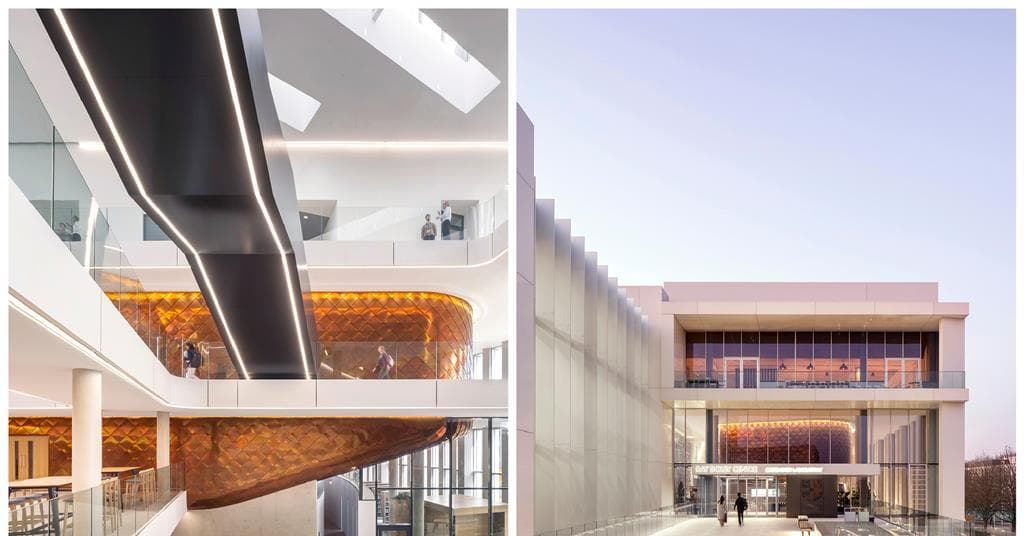
The Ray Dolby Centre's lavish design reveals a dark truth about modern **academic research**: catering to ego over efficacy. We analyze the real winners.
Key Takeaways
- •The focus on lavish lab design (like the Ray Dolby Centre) prioritizes institutional signaling and donor appeal over core research flexibility.
- •High architectural costs create hidden maintenance debt and lock institutions into outdated physical paradigms.
- •True scientific advancement is increasingly decoupled from physical grandeur, favoring agile, digitally-enabled research models.
- •The 'demanding scientist' narrative masks poor planning in translating research needs into functional, cost-effective building design.
The Hook: Are We Mistaking Luxury for Genius?
When the University of Cambridge unveils a glittering new facility like the Ray Dolby Centre, the press release sings praises of collaboration and cutting-edge discovery. We hear phrases like, “Keeping the scientists happy.” But stop and ask: at what cost, and to whose happiness? The unspoken truth about these architectural marvels isn't about better **science**; it’s about institutional signaling and the grotesque inflation of **research funding** allocation. These buildings are monuments to the ego of donors and administrators, disguised as necessary infrastructure for **academic research**.
The 'Demanding Group of People' Fallacy
The quote suggesting scientists are a “demanding group” is telling. It frames the issue as a procurement problem—a high-maintenance client list. This misses the point entirely. Scientists, particularly in high-stakes physics or biology, demand precision, environmental stability, and functionality. If a facility requires constant appeasement through bespoke design choices, it suggests a profound disconnect between the architects and the actual workflow of discovery. Why are we spending fortunes on aesthetics when grant applications are increasingly competitive, and fundamental research budgets are tightening?
The real winners here are the architecture firms, the construction magnates, and the university's PR department. They secure prestige projects that land in glossy magazines. The scientists get a nice view, perhaps, but the institution gains leverage in its fundraising arms race against rivals like Oxford or MIT. This isn't about optimizing the next breakthrough; it's about optimizing the next donation pledge. This obsession with 'state-of-the-art' physical spaces distracts from the critical need for sustained, flexible funding for personnel and equipment.
The Deep Dive: Institutional Signaling Over Scientific Output
In the modern era, capital expenditure on campus infrastructure has become a proxy for intellectual capability. A stunning building validates the massive overhead required to run a top-tier university. However, this focus creates an insidious feedback loop. If your lab isn't architecturally significant, are you truly conducting world-class **research**? This pressure forces even fiscally prudent departments to participate in the 'building-as-brand' game, diverting resources that could otherwise bolster core activities like PhD stipends or purchasing long-term consumable supplies.
Consider the lifecycle: the initial build is glamorous; the maintenance debt is often ignored. These highly specialized, technologically dense buildings become inflexible white elephants ten years down the line when the research focus inevitably shifts. We are locking down millions into inert concrete and glass based on today's paradigm, rather than investing in agile, adaptable research ecosystems. This is poor fiscal stewardship dressed up as visionary leadership. For more on how funding priorities shift in elite institutions, see analyses from organizations tracking global **research funding** patterns.
Prediction: The Rise of the Virtual Lab Dominance
Where do we go from here? The current trend of physical extravagance will hit an economic ceiling. The next wave of genuine innovation—particularly in areas like AI-driven biology or computational physics—will increasingly decouple from palatial headquarters. **Prediction:** Within five years, the most impactful discoveries will emanate from lean, remotely managed research consortia operating out of surprisingly modest facilities, leveraging cloud computing and decentralized physical infrastructure. Cambridge’s Ray Dolby Centre will soon be viewed as the peak of the physical-asset arms race, right before the paradigm shifts completely to digital-first **academic research**. Those institutions that fail to pivot away from prioritizing marble lobbies over server uptime will find their prestige eroding, regardless of how happy their occupants are today.
The real measure of scientific health isn't the quality of the ceiling tiles, but the quality of the ideas allowed to flourish beneath them. And right now, too many ideas are being stifled by the sheer weight of the overhead required to house them.
Gallery







Frequently Asked Questions
What is the Ray Dolby Centre at Cambridge known for?
The Ray Dolby Centre at the University of Cambridge is a specialized facility designed to house cutting-edge research, often focusing on areas like physics or engineering, and is noted for its high-specification architectural design.
Why is academic research funding becoming more competitive?
Funding competition increases due to rising costs of advanced equipment, global competition for top talent, and shifting government priorities, which forces universities to rely more heavily on private endowments and capital projects for prestige.
What is the hidden danger of over-investing in physical lab space?
The hidden danger is 'asset lock-in'—spending massive capital on fixed infrastructure that may not suit future research needs, while neglecting flexible operational budgets for personnel, consumables, and computational resources.
How does architectural design impact scientific workflow?
While good design supports workflow, overly customized or prestige-driven design can create inflexibility, higher maintenance costs, and distract from the fundamental requirements of environmental control and space adaptability needed for long-term scientific inquiry.
Related News

The Tiny Typo That Reveals NASA's Real Space Priority: Why 'C.13' Correction Hides a Robotic Power Grab
Forget Mars. NASA's Amendment 49 reveals the hidden focus: **Robotic Innovation** is the new frontier, sidelining bigger missions.

The Invisible Hand Crushing American Science: Who Really Profits From Funding Cuts?
The slow erosion of **science funding** isn't an accident; it's a strategy. Unpacking the hidden winners in the war on **research grants** and **scientific advancement**.

The Culture War Erupts in Yellowstone: Who Really Benefits From Erasing Park Science?
A lawsuit over removing history and science displays in national parks reveals a deeper battle over American narrative and federal land control.
