The Health Care Subsidy Time Bomb: Why Congress Is Sacrificing Millions for Political Theater
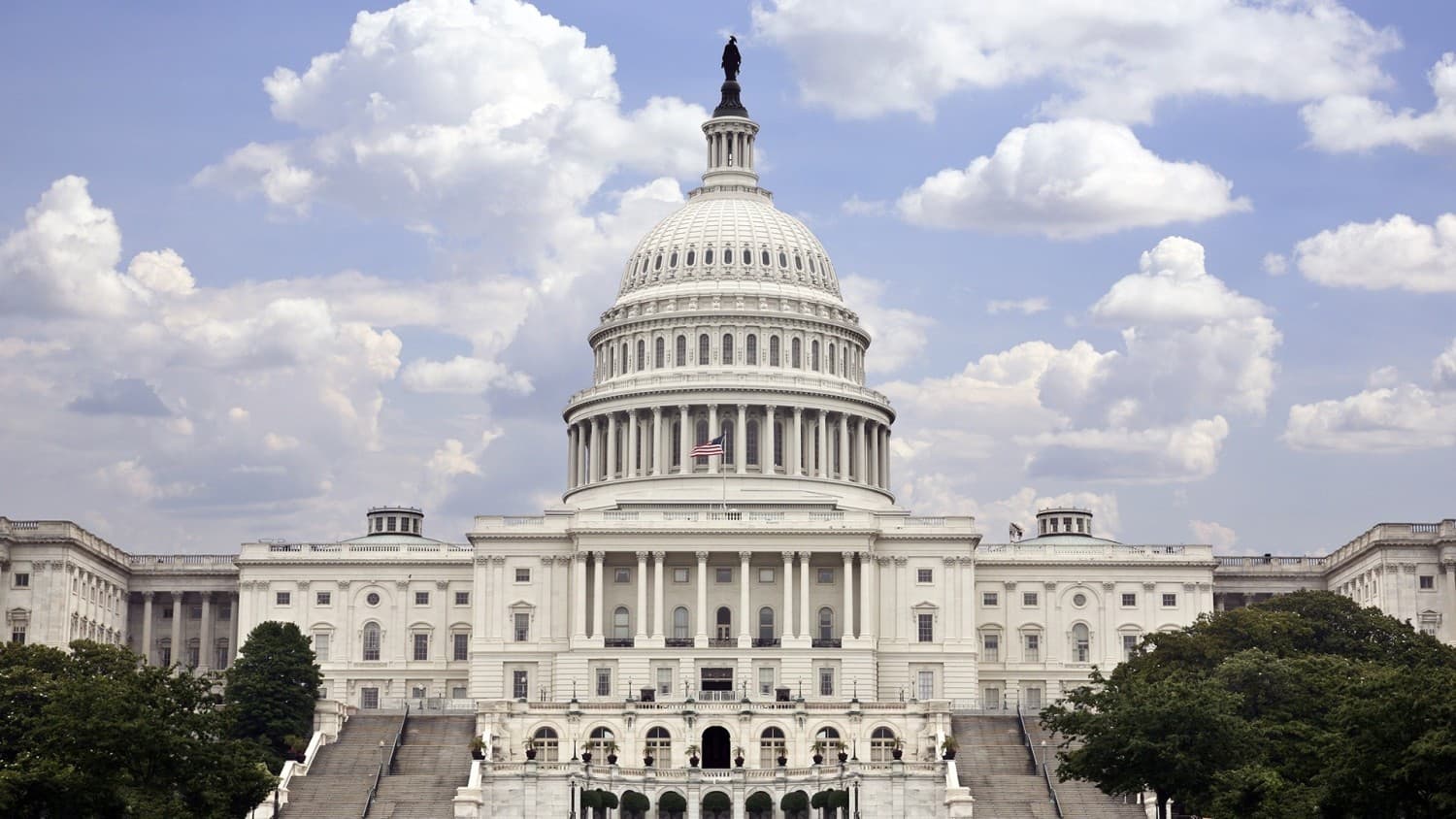
The looming expiration of key health care subsidies isn't just a legislative snag; it's a deliberate political weaponization of American health security.
Key Takeaways
- •The subsidy expiration threat is a manufactured crisis used by political factions for leverage, not an accident.
- •Middle-class families are the primary victims, facing immediate, unaffordable premium spikes if action stalls.
- •The recurring uncertainty fundamentally destabilizes the health insurance market, raising baseline costs.
- •Congress will likely pass a short-term fix at the last minute to avoid mass public outcry before elections.
The Illusion of Bipartisan Urgency on Health Care Subsidies
The news cycle is buzzing about the impending expiration of critical health care subsidies, the very financial lifelines keeping millions of Americans tethered to the Affordable Care Act (ACA) marketplaces. On the surface, it looks like standard Washington gridlock: a must-pass bill stuck in partisan quicksand. But that narrative misses the toxic core of the issue. This isn't about incompetence; it’s about leverage. The real story isn't if Congress will act, but why they are waiting until the absolute last second, risking mass chaos to score political points.
The subsidies, massively expanded under the American Rescue Plan and later extended, slashed premiums for middle-income families who earn too much for Medicaid but struggle to afford unsubsidized insurance. If they lapse, the cost spike will be immediate and brutal. We are talking about tens of millions of Americans suddenly facing unaffordable monthly bills, forcing them back into the terrifying pre-ACA landscape of being one illness away from bankruptcy. This is a predictable, manufactured crisis designed to maximize political pain.
The Unspoken Truth: Who Really Benefits from the Chaos?
The primary winners here are not the average citizens waiting anxiously for a fix. The winners are the hardliners on both sides. On the right, the chaos validates the long-standing argument that government-backed insurance schemes are inherently unstable and prone to failure, fueling calls for complete repeal. On the progressive left, the threat allows them to rally the base, demanding more sweeping, permanent reforms—potentially pushing the eventual compromise further left than a clean extension would have allowed.
The losers? The middle-class families, particularly in swing districts, who are now collateral damage in this high-stakes legislative hostage negotiation. They are the ones who will flood call centers, face massive premium hikes, and ultimately pay the price for political theater. Analyzing the current political climate, the incentive structure favors delay. A clean, early extension signals weakness; holding the line until the eleventh hour extracts maximum concessions, even if those concessions are minor.
Deep Analysis: The Erosion of Trust in Stability
What this recurring subsidy drama reveals is a fundamental instability baked into our current approach to Affordable Care Act policy. Every few years, we treat these essential supports as temporary budget items rather than foundational infrastructure. This uncertainty poisons the well for consumers and insurance providers alike. Insurers base their annual rate filings on the assumption that these subsidies will be in place. When Congress drags its feet, it creates market anxiety, which often translates into higher baseline premiums the following year, regardless of the final outcome. This instability is a quiet tax on everyone seeking reliable health insurance.
Furthermore, this isn't just about the ACA marketplace. It subtly impacts employer-sponsored coverage by setting public expectations for government intervention. When people see the government struggle to maintain basic affordability standards, trust in the entire system erodes. We are moving toward a system where essential services are treated as optional political bargaining chips, not guaranteed rights or stable economic anchors. For more context on the history of ACA funding mechanisms, see this analysis from the Kaiser Family Foundation.
Where Do We Go From Here? The Inevitable, Painful Compromise
Prediction: Congress will pass an extension, likely bundled into a larger, must-pass spending bill, just days before the deadline. However, the extension will be short-term—perhaps six months or a year—and it will be tied to a minor concession that neither party truly wanted but both can spin as a victory. They will avoid the catastrophic failure because the political fallout from millions losing coverage before an election cycle is too severe for either party to stomach completely. The truly contrarian prediction is that the delay itself is the victory for the hardliners; they successfully demonstrated that the system is fragile, setting the stage for a larger fight next year.
The long-term outlook is grim without fundamental reform. Until subsidies are permanently codified or an alternative universal structure is established, this political knife-edge will define American health policy.
Gallery







Frequently Asked Questions
What exactly are the expiring health care subsidies?
These are temporary enhancements to premium tax credits under the Affordable Care Act (ACA) that significantly lower monthly insurance costs for millions of middle-income Americans who do not qualify for Medicaid.
What happens if Congress fails to extend the health care subsidies?
If the subsidies expire without renewal, millions of enrollees will see their monthly premium costs jump dramatically, potentially making their marketplace plans unaffordable and forcing many to drop coverage entirely.
Are these subsidies part of the original ACA law?
No. While the ACA established the initial subsidy structure, the specific, expanded subsidies currently in question were introduced temporarily through pandemic relief legislation (like the American Rescue Plan Act) and have required subsequent extensions by Congress.
What is the 'unspoken truth' behind the delay in Congress?
The delay is strategic. By waiting until the deadline, political actors maximize their leverage to extract concessions on unrelated legislative priorities, treating consumer access to affordable care as a political hostage.
