The Gut Microbiome Is Broken: Why Analytical Chemistry, Not Diet Gurus, Holds the Real Power
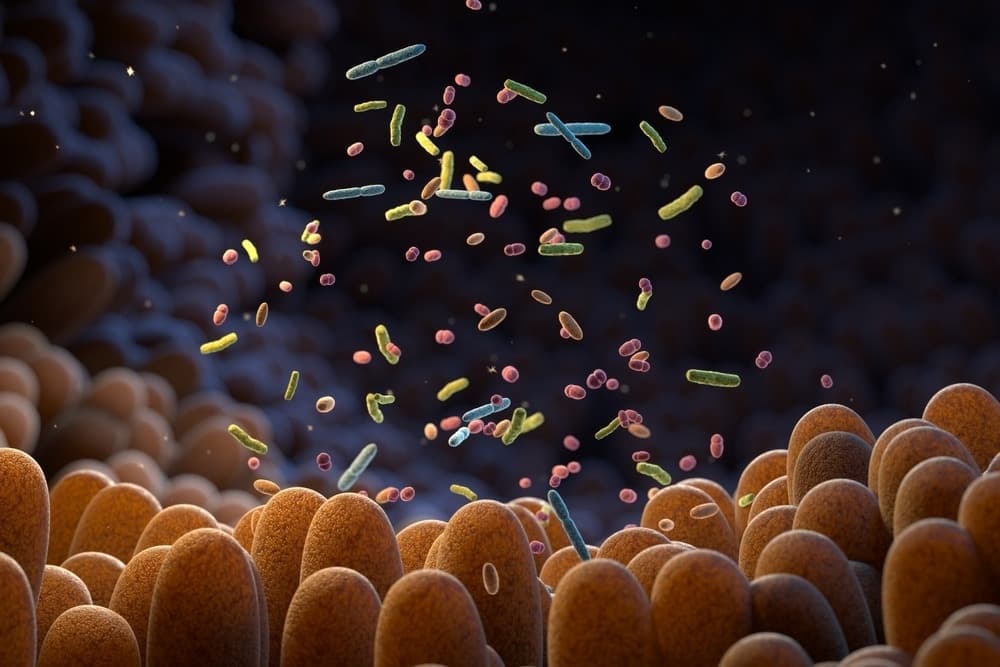
Forget fad diets. The next frontier in health isn't kale; it's mass spectrometry. Unpacking how analytical chemistry is cracking the gut microbiome code.
Key Takeaways
- •The future of gut health measurement relies on advanced analytical chemistry (like mass spectrometry) to identify active metabolites, not just microbial DNA.
- •This precision measurement will empower pharmaceutical development but risks creating a deep divide in health equity due to high diagnostic costs.
- •Generalized dietary advice is becoming scientifically obsolete; personalized, chemistry-driven interventions are the inevitable replacement.
- •The next battleground will be regulating AI models that use this chemical data to predict long-term health outcomes.
The Hook: Your Gut Is a Black Box, and We’ve Finally Found the Keyhole
We are drowning in microbiome advice. Probiotics pushed by influencers, elimination diets championed by wellness gurus. But while the public chases the latest superfood, the real revolution is happening in sterile labs, driven by the unsexy yet indispensable world of analytical chemistry. The ability to accurately measure and model the gut—a chaotic ecosystem of trillions of organisms—is shifting the power dynamic away from anecdotal wellness and toward hard data. This isn't just about digestion; it’s about decoding the operating system of human health, and understanding the true cost of this technological leap.
The trending narrative focuses on diet’s impact on the gut microbiome. That’s surface level. The real story, highlighted by recent advancements in metabolomics and proteomics, is about precision measurement. Techniques like high-resolution mass spectrometry (MS) are moving beyond simple sequencing to identify the actual metabolic output of these bacteria—the metabolites that directly signal to our brains, immune systems, and livers. We are moving from knowing *who* is there to knowing *what* they are *doing* in real-time. This deep dive into metabolomics is the critical step toward personalized medicine.

The Unspoken Truth: Who Really Wins When the Gut is Mapped?
The primary beneficiaries of this analytical chemistry surge are not the supplement companies; they are the diagnostic giants and the pharmaceutical industry preparing for the next wave of precision therapeutics. When you can precisely map the chemical fingerprint of a diseased gut versus a healthy one, drug targets become obvious. The winners are those who own the data infrastructure and the proprietary MS methods capable of handling these complex biological matrices. The losers? The general practitioners overwhelmed by conflicting nutritional advice, and frankly, the consumer who will be hit with extremely expensive, highly personalized diagnostic panels.
This shift creates a dangerous dependency. If the only way to truly understand your health is via a multi-thousand-dollar metabolomic profile run through a specific vendor’s machine, health equity plummets. The ability to model the gut through computational chemistry—creating digital twins of our internal ecosystems—means that insights once shared freely (like general dietary advice) will become proprietary algorithms. This is the commodification of internal biology.
Why It Matters: The End of Generalized Health Advice
For decades, public health advice has been a blunt instrument—eat less fat, eat more fiber. Advanced gut microbiome analysis proves this approach is obsolete. A diet that helps one person thrive might poison another, depending on the specific enzymatic pathways present in their unique bacterial community. Analytical chemistry provides the resolution to see this variance. It forces a confrontation with biological individuality that generalized wellness culture actively ignores.
Consider the implications for mental health. The gut-brain axis is no longer theoretical; it’s a measurable chemical conversation. If anxiety or depression can be linked to the depletion of a specific short-chain fatty acid metabolite, treatment moves from SSRIs to targeted biological intervention. This is profound. It means the future of psychiatry may look more like biochemistry than psychotherapy. (For context on the scale of the microbiome, see the NIH Human Microbiome Project overview.)
What Happens Next? The AI Microbiome Duel
The next logical step, and my bold prediction, is the convergence of high-throughput metabolomics data with advanced Artificial Intelligence. We will see the emergence of 'Predictive Gut Models' (PGMs) capable of forecasting disease risk years in advance based on a single stool sample analyzed via advanced MS techniques. However, this will trigger a significant regulatory battle. Who certifies the PGM? If an AI model flags you as high-risk for IBD based on your chemical output, will insurance premiums adjust? The technology is moving faster than our ethical or regulatory frameworks can adapt. We are trading generalized health uncertainty for highly specific, algorithmically determined biological fate.
Gallery







Frequently Asked Questions
What is the primary role of analytical chemistry in studying the gut?
Analytical chemistry, particularly techniques like mass spectrometry, is crucial for identifying and quantifying the specific metabolites (the chemical outputs) produced by gut bacteria, moving beyond simple taxonomic identification to understand the functional impact of the microbiome.
How does metabolomics differ from microbiome sequencing?
Microbiome sequencing typically identifies *which* microbes are present (the 'who'), whereas metabolomics analyzes the small molecules they produce (the 'what they are doing'), which are the direct communicators with the host's body systems.
Is personalized gut analysis accessible to the average person now?
While consumer tests exist, the most advanced, high-resolution analyses required for true personalized medicine are currently expensive, complex, and primarily confined to specialized research or high-end diagnostic centers.
What is the 'gut-brain axis' in chemical terms?
The gut-brain axis refers to the biochemical signaling pathway where gut microbial metabolites (like certain neurotransmitter precursors or short-chain fatty acids) travel through the bloodstream or nervous system to influence mood, cognition, and neurological health.
Related News
The Hidden Price Tag: Why Australia's Mental Health Cost-Cutting Bill Is a Time Bomb
Australia's latest mental health cost-cutting bill isn't saving money; it's outsourcing a crisis. The furious sector response signals a policy failure.

The Cosmetic Surgery Lie: Why Your Doctor's 'Mental Health Check' Is Just Liability Shielding
The rise of elective cosmetic surgery reveals a deeper truth: mandatory mental health screenings are often performative risk mitigation, not genuine care.

The Mental Health Panel That Missed the Point: Why 'Community Support' is a Band-Aid for Systemic Failure
Behind the feel-good talk on children’s mental health, a deeper crisis of underfunded schools and parental burnout is being ignored. This is the unspoken truth.

DailyWorld Editorial
AI-Assisted, Human-Reviewed
Reviewed By
DailyWorld Editorial