The Gut Health Hustle: Why Your Dietitian’s Supplement List Is Actually A Billion-Dollar Marketing Ploy

The booming **gut health supplements** industry hides a dark secret. Are you buying wellness or just funding Big Pharma’s next big push for **microbiome testing**?
Key Takeaways
- •The supplement industry profits by creating anxiety around gut health complexity.
- •Traditional fermented foods often provide more cost-effective and robust probiotic intake than capsules.
- •Microbiome testing kits often function as justification for ongoing supplement purchases.
- •Expect market consolidation where large corporations dominate the 'validated' supplement space.
- •The Gut Health Hustle: Why Your Dietitian’s Supplement List Is Actually A Billion-Dollar Marketing Ploy
- -The Unspoken Truth: Correlation vs. Causation in the $50 Billion Gut Market
- -Deep Dive: Why Supplementing Before Diagnosing Is Financial Folly
- -Where Do We Go From Here? The Inevitable Consolidation
The Gut Health Hustle: Why Your Dietitian’s Supplement List Is Actually A Billion-Dollar Marketing Ploy
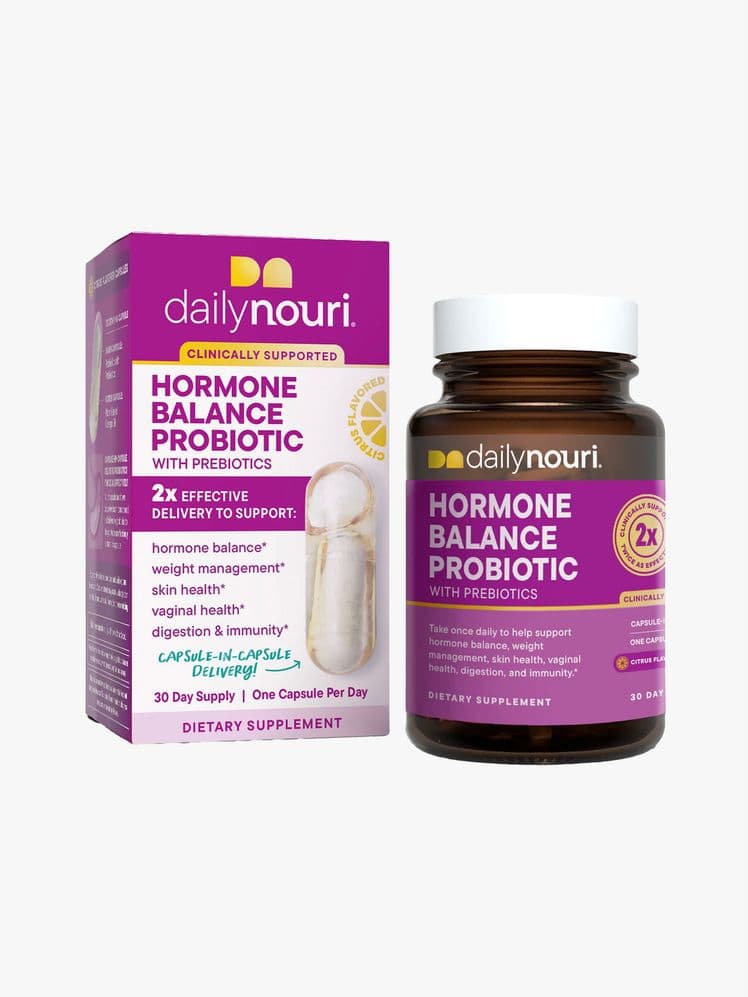
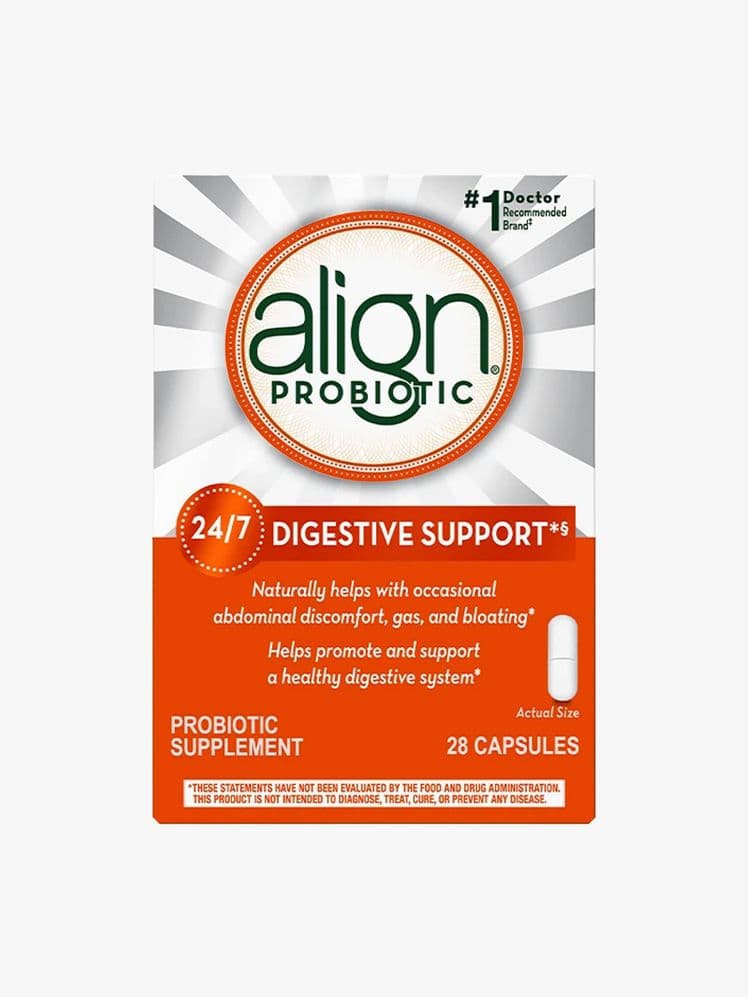
The wellness industrial complex has found its new holy grail: the human gut. We are no longer content with simply eating; we must now meticulously curate our internal ecosystem. The latest iteration of this obsession comes packaged in glossy magazine spreads, featuring dietitians prescribing a cocktail of probiotics, prebiotics, and specialized fiber blends. But stop scrolling and start thinking critically. Who truly benefits when your bathroom cabinet looks like a pharmacy?
The Unspoken Truth: Correlation vs. Causation in the $50 Billion Gut Market
The mainstream narrative, amplified by lifestyle publications, is simple: bad gut health equals bad life. Therefore, the solution is a supplement regime. This is where the analysis must pivot from dietary advice to economic reality. While there is undeniable science linking the microbiome to everything from mood to immunity, the immediate leap to expensive, proprietary supplements is where the agenda lies. **Dietitians** often operate within a system that rewards recommendations, and the supplement industry is a finely tuned machine of affiliate marketing and brand partnerships.
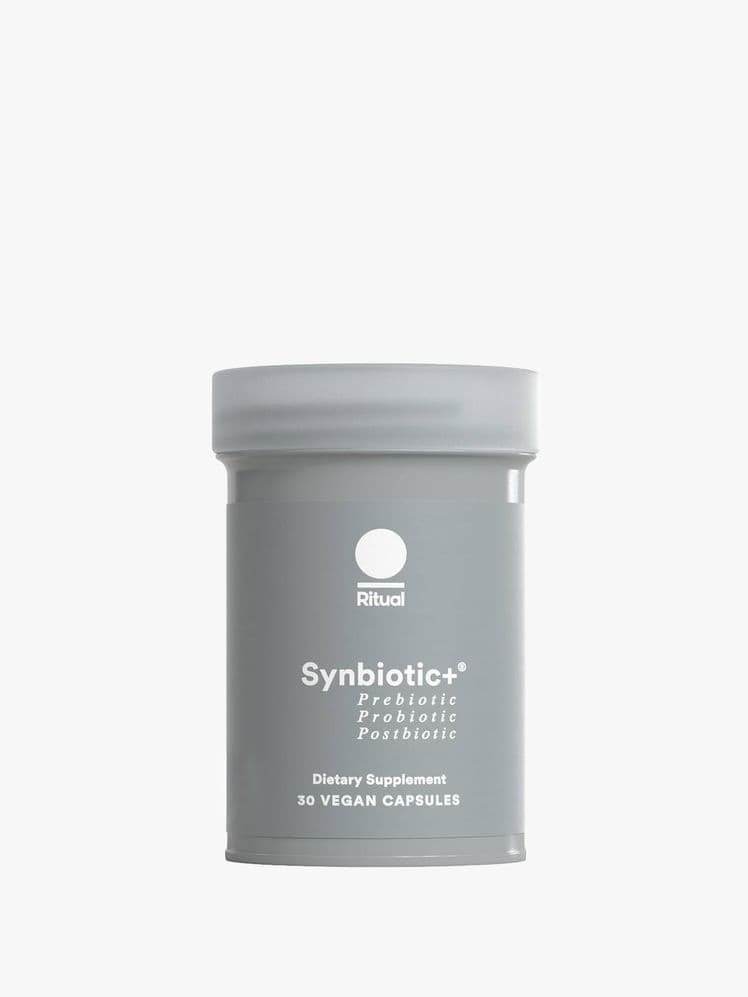
The real losers here are consumers drowning in complex terminology—synbiotics, postbiotics, LPS binders—while ignoring the foundational elements of health. The irony? The most effective, time-tested **probiotics** are found in traditional, affordable fermented foods like sauerkraut and kimchi, not $70 bottles of shelf-stable capsules. The industry thrives on complexity and the promise of a quick fix, diverting attention from the hard work of dietary overhaul and stress management. It’s a classic case of monetizing anxiety.
Deep Dive: Why Supplementing Before Diagnosing Is Financial Folly
The rise of at-home microbiome testing kits is supposed to offer personalized solutions, but they often serve only to justify continued spending. These tests frequently yield vague results that point directly back to the need for *more* targeted—and expensive—supplements. This creates a feedback loop: test, worry, buy, repeat. Analyzing the efficacy of most over-the-counter probiotics reveals a staggering lack of standardization. Many strains die before reaching the colon, rendering the product inert. The consumer is betting on a high-cost lottery ticket, relying on marketing claims rather than rigorous, large-scale clinical evidence. For a deeper look at the regulatory landscape surrounding these claims, one can consult reports from bodies like the FDA, though direct oversight on supplements remains notoriously light.
Where Do We Go From Here? The Inevitable Consolidation
The future of **gut health supplements** is not personalization; it’s consolidation and regulation. As the market matures and class-action lawsuits inevitably mount against brands making unsubstantiated claims, we will see a few major players acquire the successful niche brands. The trend will shift from an overwhelming array of choices to a handful of 'medically validated' product lines backed by massive pharmaceutical or CPG entities. Expect marketing to move away from vague wellness claims toward direct, disease-state claims, putting them under stricter scrutiny—but also driving prices even higher. The individual consumer will be squeezed out, forced to choose between cheap, ineffective options or premium, corporately controlled solutions.
The only sustainable counter-strategy is radical self-education. Understand your food first. The best **dietitians** are those who teach you to stop needing them.
Gallery



Frequently Asked Questions
Are all probiotics the same, or do I need specialized strains?
No, not all probiotics are the same; strains matter significantly for specific outcomes. However, the marketing often exaggerates the need for obscure, expensive strains when basic, well-studied strains (like those found in yogurt or kefir) can be highly effective for general health maintenance.
What is the biggest flaw in direct-to-consumer microbiome testing kits?
The biggest flaw is the variability in testing methodology and the often vague interpretation of results. They frequently lack the clinical context to suggest actionable, non-supplement-based changes, leading users down a path of unnecessary purchasing.
What is a contrarian approach to improving gut health without supplements?
The contrarian approach focuses aggressively on increasing dietary diversity (eating 30+ different plant types per week), managing chronic stress through proven methods like meditation or exercise, and ensuring adequate sleep. These foundational habits outperform most supplement regimens.
Related News

Fibremaxxing: The Hidden Tax on Your Gut Health That Big Food Doesn't Want You To See
The viral 'fibremaxxing' trend is booming, but is it a health revolution or a marketing ploy masking systemic dietary failure? We dive deep.

The 'Free' Health Hack That’s Quietly Killing the Gym Industry (And Why Your Therapist Loves It)
Forget expensive supplements. The real secret to **mental wellness** isn't grueling workouts; it's an activity experts now champion over traditional exercise for true **health benefits**.

The Silent Epidemic: Why Your 'Healthy' Checkup is Hiding America's Fatal Health Time Bomb
New data reveals most US adults carry risk factors for a fatal syndrome. This isn't just about lifestyle; it’s about systemic failure in preventive health.
