The Great Tech Hangover: Why Korea’s Obsession with 'Science First' Is About to Collapse

Everyone celebrates Korea's tech boom, but the unspoken truth is that this 'science first' dogma is creating a brittle, unequal society.
Key Takeaways
- •Korea's 'Science First' policy has created severe societal imbalance and burnout.
- •The system currently rewards fast execution over risky, fundamental invention.
- •The hidden cost is the devaluation of humanities and critical thinking skills.
- •A future pivot towards humanistic application and design ethics is inevitable to maintain stability.
The Great Tech Hangover: Why Korea’s Obsession with 'Science First' Is About to Collapse
For decades, the mantra has been deafening: **Science and technology** are the only viable path to national salvation. South Korea built its modern miracle on the back of relentless engineering prowess, prioritizing STEM above all else. This narrative, which fueled explosive economic growth, is now showing catastrophic cracks. We aren't just seeing a slowdown in technology innovation; we are witnessing the structural failure of a society that decided creativity, humanities, and basic quality of life were acceptable collateral damage.
The recent discourse about 'rethinking' this model is polite corporate speak for panic. The real issue isn't a lack of funding for semiconductors; it's the cultural dehumanization that results from hyper-specialization. Who truly benefits from this relentless focus? The answer is simple: a hyper-elite few who control the patents and the capital, while the vast majority of skilled workers face burnout, stagnation, and crippling competition for increasingly scarce high-status roles.
The Hidden Cost: A Society Running on Fumes
We must analyze the hidden costs of this state-sponsored technocracy. When every resource—educational, financial, and political—is funneled into the perceived 'sure bets' of AI and biotech, what happens to the adjacent industries that provide social cohesion? The result is a massive brain drain *within* the country. Graduates from non-STEM fields are deemed obsolete, leading to a societal rift wider than any economic gap. This isn't just about job prospects; it’s about the slow death of critical thinking outside of algorithmic optimization.
Furthermore, the international perception of Korean **science and technology** is often one of frantic, reactive imitation rather than genuine, disruptive invention. True breakthrough requires intellectual freedom and tolerance for failure—commodities heavily penalized in Korea’s high-stakes, zero-sum academic and corporate ladder. The current system rewards fast execution, not deep, risky thought. This is the critical flaw.
What Happens Next? The Great Rebalancing (or Collapse)
The future is not more of the same. Prediction: Within five years, we will see a sharp, politically motivated pivot *away* from pure technological obsession, driven by social unrest over housing, mental health crises, and a realization that AI cannot solve bureaucratic inertia. Expect a temporary, but significant, push toward 'soft power' resurgence—not just K-Pop exports, but a genuine investment in design, ethics, and policy-making that understands human needs, not just market demands. The winners will be those who can bridge the chasm between advanced engineering and humanistic application. The losers will be the pure technologists whose skills become rapidly commoditized by global competition.
If the current trajectory holds, the system will become so brittle that a single external shock—a major trade dispute or a global chip glut—will expose the fragility of an entire national structure built on one pillar. The true resilience lies in diversification, not just in product lines, but in human capital.
Gallery
Frequently Asked Questions
What is the primary criticism of South Korea's technology-focused society?
The primary criticism is that the relentless focus on STEM fields has created extreme social pressure, neglected essential humanities/social sciences, and led to a brittle economy overly reliant on a few specific technologies, ignoring broader societal well-being.
How does this focus impact young people in Korea?
It results in intense, zero-sum competition for highly specialized jobs, leading to high rates of burnout, mental health strain, and a feeling among non-STEM graduates that their skills are devalued by the national narrative.
Are other developed nations facing similar issues with STEM prioritization?
Yes, many developed nations struggle with balancing STEM investment against the need for robust social sciences and ethical oversight in rapidly advancing technology sectors. Korea's approach, however, is often cited as one of the most extreme examples.
What is the 'unspoken truth' about who benefits most from this model?
The unspoken truth is that the model disproportionately benefits the established corporate conglomerates (Chaebols) and the small elite who own the intellectual property, while masking systemic social issues through nationalistic pride in technological output.
Related News
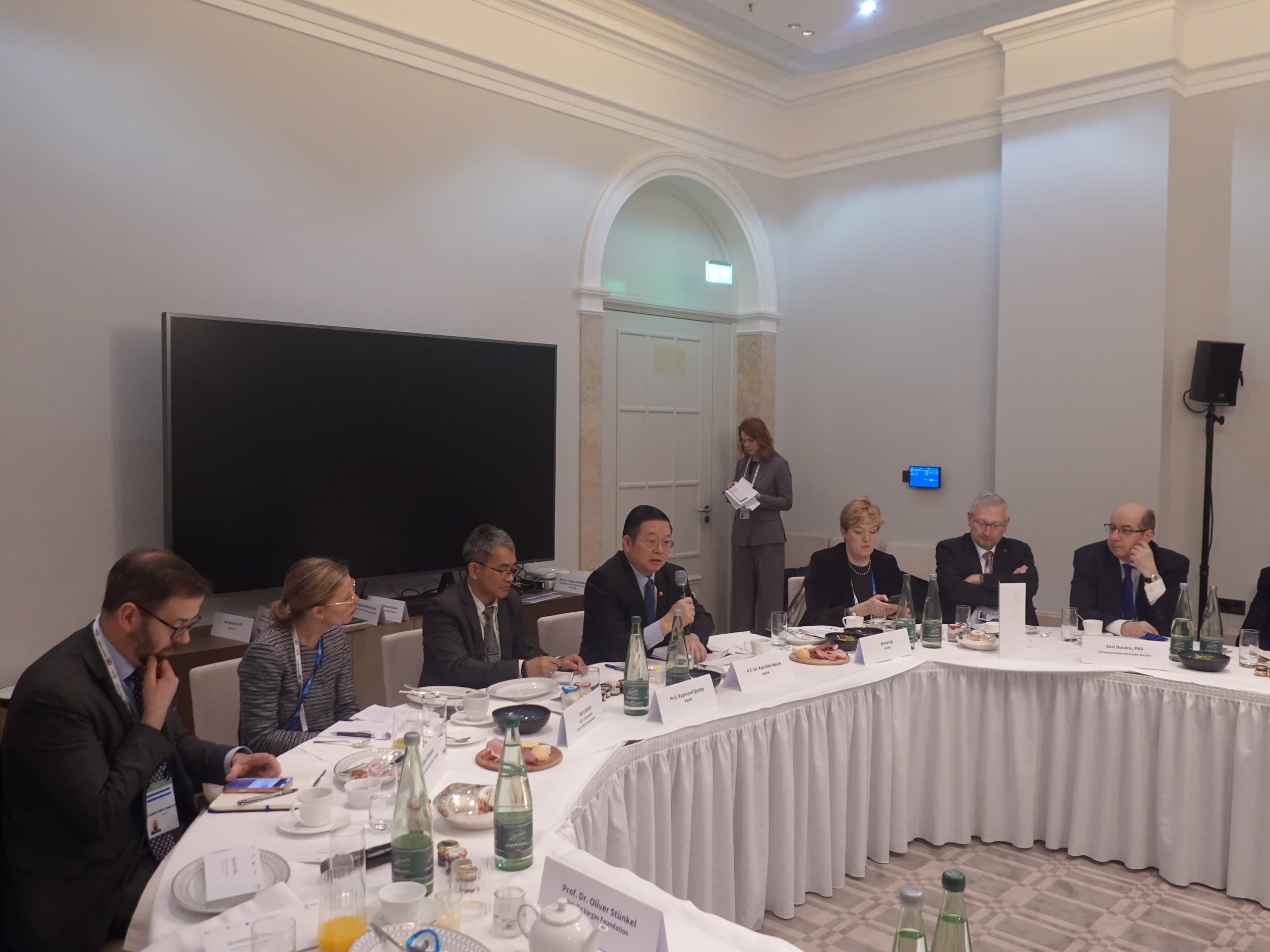
The Quiet Coup: Why ASEAN's Science Diplomacy Play at Munich Signals a Deep Betrayal of the West
The ASEAN Secretary-General's quiet appearance at the Munich Security Conference on **science diplomacy** isn't about collaboration; it's a calculated strategic pivot. Unpacking the real stakes.
The Silicon Shield: Why Israel's Tech Supremacy Is Its Real Nuclear Deterrent
Forget Iron Dome. Israel's true geopolitical leverage lies in its unshakeable dominance in cyber and AI—a quiet diplomatic weapon reshaping global power.

The Silent War on Wellness: Why Targeting Ukraine's Medical Stockpiles Is Russia's Smartest, Cruelest Move
Strikes on Ukrainian medical warehouses reveal a strategic pivot in warfare: collapsing civilian health infrastructure to force political surrender.

DailyWorld Editorial
AI-Assisted, Human-Reviewed
Reviewed By
DailyWorld Editorial