The Global Health Scam: Why Donor Cuts to the Global Fund Are Secretly Good News for the Elite
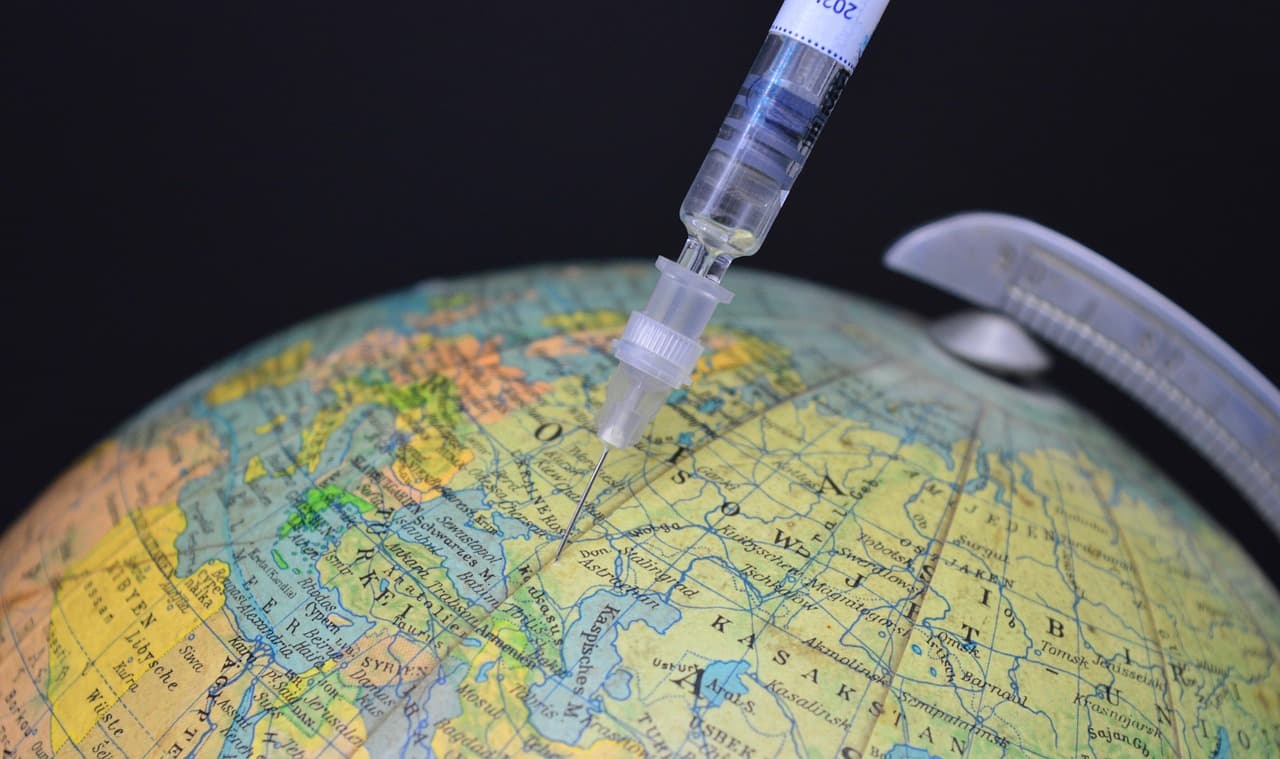
Donor cuts to the Global Fund expose a harsh truth: global health security is a negotiable commodity, not a right.
Key Takeaways
- •Donor cuts are being used as geopolitical leverage, not just budget adjustments.
- •Market instability from funding gaps negatively impacts large-scale pharmaceutical procurement.
- •The true winners are domestic politicians posturing as fiscal conservatives and niche private health actors.
- •Expect a future segmentation of global health efforts into competing blocs (North vs. South).
The Great Retreat: When Philanthropy Becomes Political Leverage
The recent shortfall in the Global Fund replenishment cycle is being framed as a humanitarian crisis. Media narratives focus on the millions who will miss out on life-saving treatments for HIV, TB, and malaria. This is the surface truth, the easily digestible tragedy. But as investigative journalists, we must ask: Who truly benefits when essential global health funding dries up?
The unspoken reality is that major donor nations—often the very ones pledging billions—are using these funding gaps as geopolitical leverage. This isn't just about belt-tightening; it’s about reasserting national interests over collective security. When the global health architecture falters, it sends a chilling signal: The commitment to eradicating pandemics is conditional, tied directly to trade deals, diplomatic allegiance, or domestic political maneuvering. This vulnerability is the real danger lurking beneath the headlines about reduced aid distribution.
The primary losers, of course, are the most vulnerable populations. But the secondary, often overlooked, losers are the pharmaceutical giants who rely on these massive procurement pipelines. A stable, predictable funding mechanism like the Global Fund allows for economies of scale. Volatility? That creates market uncertainty, potentially slowing down R&D investment in neglected tropical diseases because the guaranteed buyer base has shrunk. The irony is that while politicians claim fiscal responsibility, they are destabilizing the very market mechanisms designed to keep the cost of essential disease control manageable.
The Hidden Winners: Domestic Politics and Private Sector Consolidation
Follow the money. The immediate winners are domestic political actors who can posture as fiscal hawks, cutting 'foreign giveaways' while ignoring the long-term security implications. Furthermore, when multilateral mechanisms weaken, private philanthropic organizations and niche, high-margin health tech providers step in. They aren't constrained by the same bureaucracy, but their focus is narrower, often favoring high-visibility, low-cost interventions over systemic overhaul. This shift fragments the fight against pandemics, benefiting those who can afford to cherry-pick profitable battles.
Where Do We Go From Here? The Prediction
Expect a bifurcation of global health efforts. The funding gap won't lead to total collapse; it will lead to segmentation. Wealthy nations will double down on internal resilience, viewing global health security as an external problem to be managed via border controls rather than eradication efforts abroad. Simultaneously, we predict a major surge in 'South-South' cooperation, where nations like China, India, and Brazil scale up bilateral health agreements, effectively creating parallel, competing global health systems outside the traditional Western-dominated framework. This fracturing will make future coordinated responses to novel threats significantly slower and more complex.
The narrative must shift from pleading for renewed commitment to demanding accountability for the leverage being exerted. Global health security is not charity; it is a fundamental component of national security in an interconnected world. When donors pull back, they aren't just hurting others; they are creating a more dangerous, unpredictable future for everyone.
Gallery

Frequently Asked Questions
What is the Global Fund replenishment cycle?
The Global Fund to Fight AIDS, Tuberculosis and Malaria holds replenishment conferences every three years to solicit financial commitments from donor countries and private partners to fund its grant-making cycle worldwide.
Why are donor cuts considered a threat to the 'right to health'?
The right to health implies access to necessary care regardless of location or wealth. Donor cuts directly reduce the funding available for essential treatments and prevention programs in low-income countries, effectively denying that right to millions.
What is the difference between bilateral and multilateral health aid?
Multilateral aid flows through large international organizations like the Global Fund, while bilateral aid is given directly from one country to another.
What diseases does the Global Fund primarily target?
The Global Fund focuses its efforts on three major infectious diseases: HIV/AIDS, Tuberculosis (TB), and Malaria.
Related News
The Judicial Bomb: Why Teaching Kids About Corruption Is NCERT's Most Dangerous (and Necessary) Power Play
The NCERT syllabus revision exposing students to 'corruption in the judiciary' is more than education; it's a calculated political move.

The Silent Coup: How US Aid Cuts Are Weaponizing Global Science and Who Really Benefits
The reported cuts to US science aid aren't just budget trimming; they are a geopolitical strategy eroding global scientific literacy and trust.

The Invisible Cartel: Who Really Profits From 'Global Health' Aid?
Forget the headlines. The real story in global health isn't charity; it’s the opaque supply chains and the political leverage wielded by logistics giants.
