The Fluorescent Lie: Who Really Profits When We Can See Drugs Fail in Real-Time?
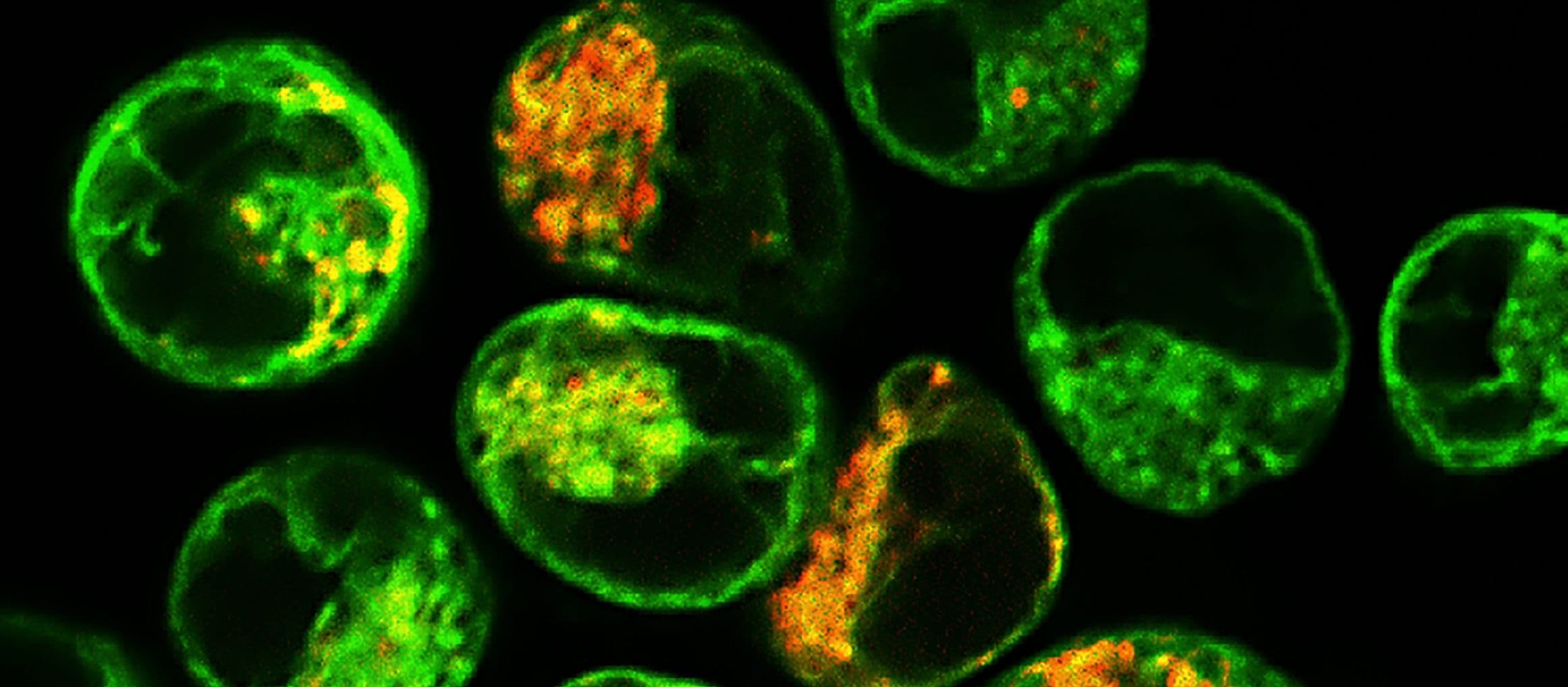
A new fluorescent technology promises drug response tracking, but the real story is about Big Pharma's control over clinical trial visibility.
Key Takeaways
- •New fluorescent tech drastically reduces early-stage drug candidate failure time.
- •The primary beneficiaries are large pharmaceutical companies capable of affording integration and patenting.
- •This creates a new data inequality gap between well-funded and smaller research labs.
- •Regulatory bodies may soon mandate data derived from this high-content imaging for faster approvals.
The Fluorescent Lie: Who Really Profits When We Can See Drugs Fail in Real-Time?
The headlines scream progress: new fluorescent technology is here to revolutionize drug discovery by tracking cellular responses with unprecedented clarity. Sounds like a win for patients, right? Think again. This supposed leap in biotechnology isn't a beacon of transparency; it’s a highly refined tool designed to optimize the existing, deeply flawed pharmaceutical pipeline. The unspoken truth is that this technology primarily benefits the giants who can afford to implement it, potentially widening the gap between boutique research and mass-market drug development.
The core innovation, allowing scientists to visually map how a compound interacts with a cell—where it binds, where it fails, and how quickly resistance builds—is undeniably powerful. For decades, measuring drug efficacy relied on slower, less granular endpoints. Now, researchers can get near-instantaneous feedback. But this isn't merely an academic curiosity; this is about shaving billions off R&D costs by killing dead-end candidates earlier. The immediate winners are the large pharmaceutical companies and the venture capital firms funding the specialized labs that own the patents on these novel fluorescent markers.
The Deep Dive: Optimization, Not Revolution
We must analyze this through a contrarian lens. If a drug shows suboptimal efficacy under this new, high-resolution microscope, what happens? Historically, a marginal failure might still proceed to Phase II trials if the market potential is high enough. With this technology, those marginal candidates are instantly disqualified. This sounds positive, but it subtly tightens the bottleneck. Only candidates showing *near-perfect* early interaction profiles will survive, favoring drugs targeting well-understood pathways where success is statistically more predictable. It punishes truly novel, riskier approaches that might require a longer biological ramp-up time.
Consider the economic incentive. This method offers better data fidelity, yes, but its true value is in de-risking investment. When you can visually prove a compound is hitting its target 95% of the time in an early assay, securing the next round of funding becomes significantly easier. This shifts the power dynamic further toward established players who can integrate this expensive, cutting-edge methodology into their existing workflows. For smaller biotechs, access to this level of imaging and analysis remains prohibitively expensive, creating a new tier of data inequality in preclinical research.
Furthermore, this technology excels at tracking *response*, but it says little about *unforeseen toxicity* or long-term side effects. It’s a precision tool for efficiency, not necessarily a panacea for safety. The illusion of complete visibility can lead to overconfidence in early-stage results.
What Happens Next? The Prediction
The next three years will see this fluorescent tracking move from academic novelty to industry standard, particularly for oncology and rare disease targets. My prediction is bold: within 36 months, the FDA will begin requiring specific, quantifiable metrics derived from this type of high-content imaging for accelerated approval pathways in specific indications. Why? Because regulators are under immense pressure to speed up approvals, and this technology offers them a visually compelling, quantifiable metric that *looks* like superior due diligence. This will force smaller labs to license the imaging platforms or risk their promising molecules being deemed 'insufficiently characterized' against the new benchmark.
The real battleground won't be discovering new targets; it will be patenting the specific fluorescent probes used to monitor those targets. Expect aggressive intellectual property litigation surrounding the markers themselves. This isn't just about better science; it's about proprietary viewing angles on biological reality. For more on the history of pharmaceutical innovation, see reports from sources like the Reuters archives.
The promise of transparency is seductive, but when the tools of observation are proprietary, the resulting picture is always curated. We are trading slow, opaque processes for fast, brilliantly lit, but potentially narrow ones. The future of medicine depends on whether this technology illuminates all corners of the cell, or just the corners Big Pharma pays to see.
Frequently Asked Questions
What is the main purpose of this new fluorescent technology in drug research?
Its main purpose is to track, in real-time and with high precision, how drug compounds interact with living cells, allowing researchers to quickly assess efficacy and identify mechanisms of action or resistance.
How does this technology differ from traditional drug screening methods?
Traditional methods often rely on endpoint assays that take longer and provide less spatial or temporal resolution. This fluorescent approach offers dynamic, visual feedback on cellular processes as they happen, offering much richer data granularity.
Is this technology guaranteed to make drug development cheaper for consumers?
Not necessarily. While it optimizes R&D costs for pharmaceutical companies by weeding out failures faster, the high cost of implementing and patenting the technology itself may concentrate power and maintain high drug prices unless regulatory bodies intervene.
What is the 'unspoken truth' about this innovation?
The unspoken truth is that this is a powerful de-risking tool for investors and Big Pharma, potentially favoring incremental drug improvements over truly disruptive, high-risk scientific breakthroughs that might not show perfect early results.
Related News

The $15.5 Million Lie: Why Syndex Bio’s mcPCR Hype Masks a Looming Tech Graveyard
Syndex Bio's $15.5M seed funding and mcPCR reveal the truth about next-gen sequencing bottlenecks.

The Quiet Coup: Why 'Agentic AI' Will Destroy the Mid-Tier Data Scientist
Forget better models. Agentic AI is a systemic shift that threatens to automate experimentation itself, making mid-level data science obsolete.
The Fluorescent Lie: Why This New Drug Tracking Tech Is Actually a Gift to Big Pharma
New cellular imaging is hailed as a breakthrough, but the real story behind this **drug response technology** is who controls the data pipeline.

DailyWorld Editorial
AI-Assisted, Human-Reviewed
Reviewed By
DailyWorld Editorial