The Fish Ladder Lie: Why New 'Innovative' Water Tech Won't Save Migratory Species
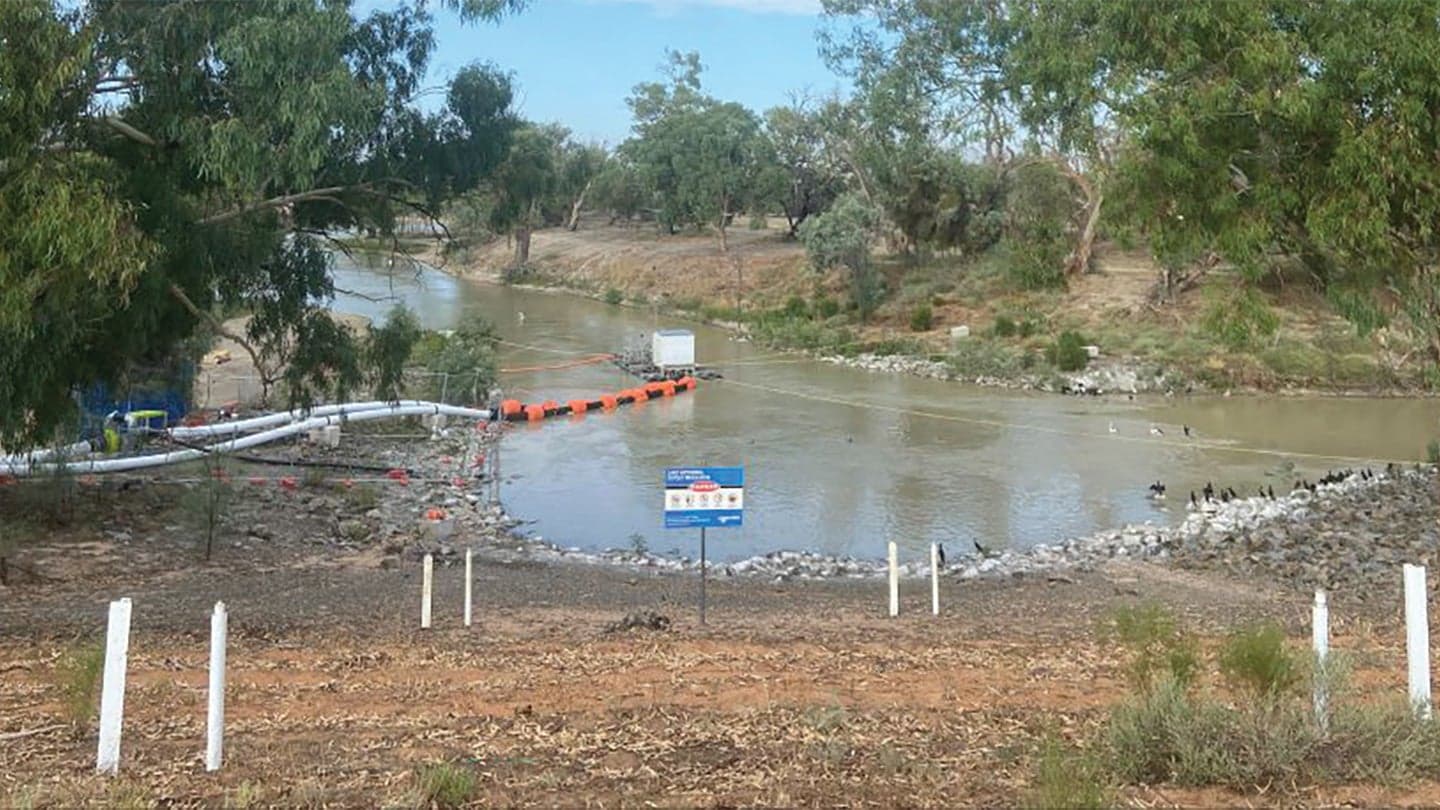
The push for advanced fish passage technology hides a brutal reality: infrastructure inertia and corporate capture are the real barriers to saving endangered salmon runs.
Key Takeaways
- •New fish passage technology often serves to justify the continued operation of ecologically harmful dams.
- •The primary barrier to ecological restoration is economic inertia, not a lack of engineering solutions.
- •Utilities favor expensive retrofits over costly dam decommissioning.
- •The proliferation of these systems will lead to long-term maintenance cycles rather than true habitat restoration.
The Fish Ladder Lie: Why New 'Innovative' Water Tech Won't Save Migratory Species
The news cycle loves a neat, technological fix. Today, it’s the triumphant testing of innovative fish passage technology—new weirs, baffling systems, or modified culverts promising to unlock centuries-old migratory routes choked by hydropower dams. This narrative, frequently reported in the technology sector, serves a powerful, comforting lie: that engineering can solve problems created by poor engineering and unchecked industrialization. But look closer at the economics of dam infrastructure, and the picture darkens.

The Unspoken Truth: It’s Not the Tech, It’s the Tollbooth
Who truly benefits when a new, expensive fish passage system is trialed? Certainly not the endangered salmon or trout struggling against the current. The winners are the engineering firms selling proprietary designs and the utilities seeking regulatory goodwill. These incremental improvements are often window dressing—a necessary, visible expense designed to justify the continued operation of massive, ecologically destructive hydroelectric projects.
The real barrier isn't the lack of a clever baffle design; it's the sheer scale and inertia of existing dam infrastructure. Most major rivers are fragmented fortresses. A new, flashy bypass might work perfectly for a small tributary trial. But scaling that technology to bypass a 100-foot concrete behemoth, owned by a utility fighting tooth and nail against decommissioning costs, is a different beast entirely. This isn't a failure of science; it’s a victory for vested financial interests.
Deep Analysis: The Economic Cost of 'Compromise'
When we focus solely on the technology aspect, we ignore the political economy. Decommissioning a major dam—the ultimate solution for ecological restoration—costs billions and removes a significant, often subsidized, power source. Utilities prefer the $10 million retrofit that keeps the dam running and placates environmental watchdogs, rather than the $1 billion demolition that permanently alters their asset portfolio. The testing of 'innovative' solutions is, therefore, an active strategy to perpetuate the status quo under the guise of progress.
Compare this to historical conservation efforts. The push to remove obsolete dams, like those on the Elwha River, offered immediate, dramatic ecological recovery. The current trend favors complex, ongoing technological management over radical, permanent removal. This is the triumph of maintenance over restoration, driven by balance sheets, not biology. For more context on the scale of global hydropower, see the data on worldwide energy production [link to a reputable source like the International Energy Agency or a major news outlet reporting on IEA data].
What Happens Next? The Age of Regulatory Fatigue
My prediction is that these 'innovative' systems will become the new regulatory standard for decades, creating a permanent, high-cost maintenance cycle. Regulators, fatigued from years of negotiation, will accept these partial fixes as 'good enough.' We will see a proliferation of these systems, which will marginally help some species in certain conditions, but will ultimately fail to restore populations to historic levels. The true biodiversity collapse will continue, masked by positive press releases about successful fish passage trials. This cycle only breaks when the cost of maintaining the old infrastructure—both financially and reputationally—outweighs the perceived benefit, a tipping point that current economic models actively obscure. See how other infrastructure projects face similar dilemmas [link to a major publication article on infrastructure obsolescence].
The real fight isn't about better fish ladders; it's about dismantling the economic rationale for unnecessary barriers. Until then, these technological trials are just expensive distractions.
Frequently Asked Questions
What is the main problem with traditional fish ladders?
Traditional fish ladders, while better than a sheer wall, often fail because the water velocity and turbulence don't match the natural conditions, or the fish fail to locate the entrance, especially during high flow events.
Who stands to gain the most from testing new fish passage technology?
Engineering firms and consultancies that design and sell these proprietary solutions benefit financially, as do utility companies who use the implementation as proof of regulatory compliance.
Is dam removal a viable alternative to technological fixes?
For many obsolete or ecologically redundant dams, removal is the most effective way to restore full river connectivity, though it faces significant political and financial hurdles.
What is the key difference between innovation and true ecological restoration?
Innovation often seeks to manage the existing problem (mitigation), whereas true ecological restoration seeks to eliminate the root cause of the problem (removal of the barrier).
Related News

The Packaging Lie: Why Your 'Smart' Food Container Won't Stop the Next Global Recall
The push for advanced food packaging technology is distracting from the real supply chain weak points. Is this innovation or deflection?

The Hidden Cost of Croom Medical's $100M Bet: Is Ireland Outsourcing Its Future?
The Croom Medical ACOT expansion signals massive medical device manufacturing growth, but what does this mean for Irish tech talent migration?

The Silent Coup: Why Tech Policy Meetings Are a Sham and Who Actually Owns the Future
Forget diversity reports. The real fight over technology policy isn't about representation; it's about regulatory capture and who profits.

DailyWorld Editorial
AI-Assisted, Human-Reviewed
Reviewed By
DailyWorld Editorial