The Elevate Award Lie: Why Honoring One ER Director Masks a Looming Rural Healthcare Collapse
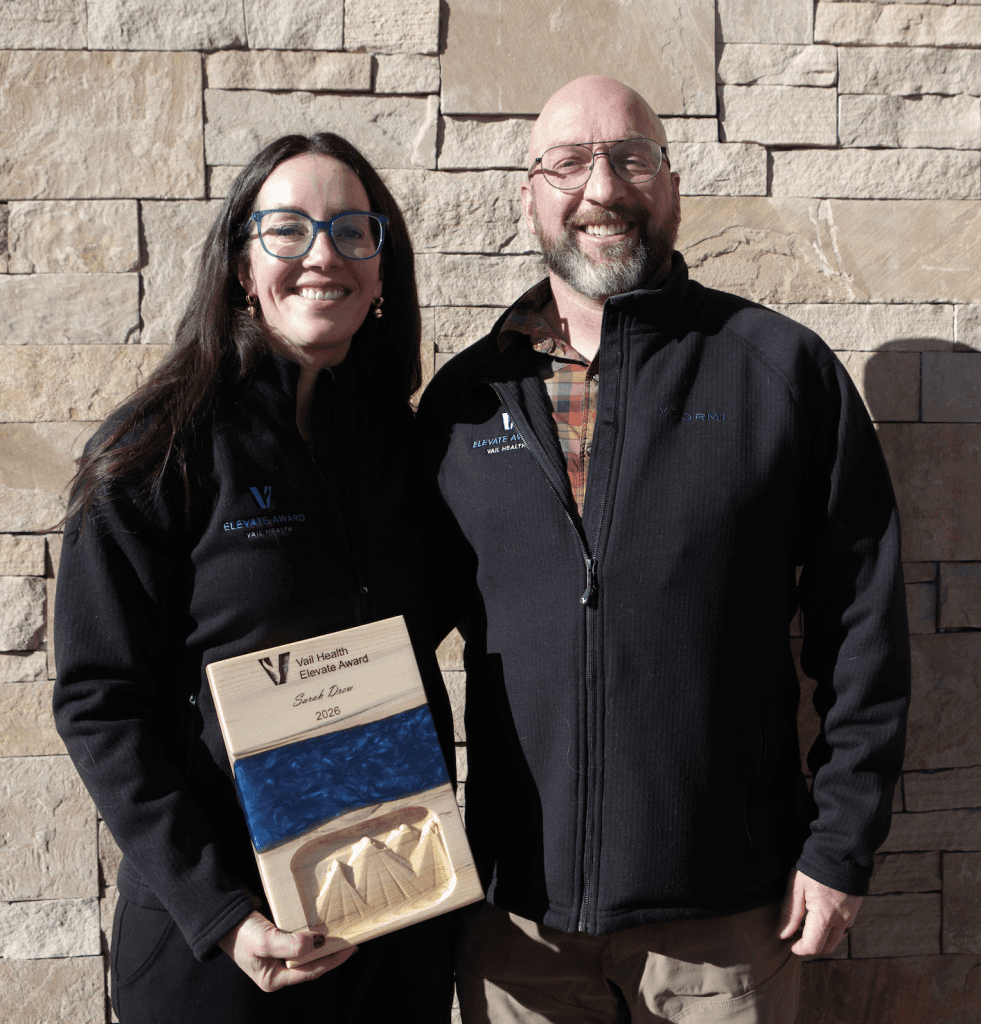
An award for 'exceptional care' in Vail Health distracts from the brutal economic reality facing rural emergency services nationwide.
Key Takeaways
- •Individual awards mask systemic financial instability in rural medical facilities.
- •High operating costs in resort areas create an unsustainable, two-tiered healthcare model.
- •Failure to address reimbursement models will lead to inevitable consolidation.
- •Decreased local autonomy in healthcare leads directly to worse trauma outcomes over distance.
The Illusion of Excellence in the Face of Systemic Rot
Another plaque, another press release. Vail Health’s Senior Director of Emergency and Trauma Services received the much-touted Elevate Award. On the surface, this is a feel-good story about exceptional care in the mountains. But peel back the veneer of local praise, and you find a far more sinister narrative about the fragility of specialized health infrastructure in affluent, yet isolated, communities. This isn't just about one stellar director; it’s about the unsustainable model propping up rural medicine in America.
We must stop celebrating individual heroism as a substitute for structural solvency. While we applaud this director’s dedication—a dedication that likely involves working 80-hour weeks and juggling administrative nightmares—we ignore the central, uncomfortable truth: rural healthcare is functionally bankrupting itself trying to maintain urban standards.
The Unspoken Truth: The Cost of 'Exceptional'
Who truly wins here? The award committee scores PR points. The director receives a temporary morale boost. The losers? The taxpayers and the patients who will inevitably face service cuts when this model inevitably breaks. In areas like Vail, the high cost of living drives up staffing costs exponentially. To maintain the level of trauma service that warrants an 'Elevate Award,' the facility must either rely on unsustainable philanthropic goodwill or charge exorbitant rates, effectively creating a two-tiered medical system.
This phenomenon isn't unique to Colorado. It’s a nationwide trend where small-town hospitals, crucial for immediate trauma response, are bleeding cash. The focus on celebrating one person obscures the need for radical policy shifts in Medicare/Medicaid reimbursement and rural physician retention subsidies. We are rewarding the symptom—the dedication—instead of treating the disease—the economic viability of specialized emergency medicine.
Why This Matters: The Trauma Time Bomb
In trauma care, minutes equal lives. The closer you are to a Level I or II trauma center, the better your odds. When rural ERs close—and they are closing at an alarming rate—the distance to definitive care increases, leading to higher mortality rates for conditions like severe accidents or cardiac events. This local award is a distraction from the broader instability. If this director were to leave tomorrow, how many other qualified leaders would step into that financial and logistical abyss? Very few. This highlights institutional dependence, not institutional strength.
The economic engine of resort towns keeps these facilities afloat artificially. Take away the steady stream of wealthy second-home owners, and the books crash. This award subtly suggests that if you just 'work hard enough,' you can defy market forces. That is a dangerous, viral lie.
What Happens Next? The Inevitable Consolidation
My prediction is stark: Within five years, the pressure on smaller, specialized facilities like Vail Health’s emergency services will force them into one of two scenarios: either a massive acquisition by a major, distant hospital network (like HCA or a regional giant), or a severe downgrading of service levels. Consolidation means centralized decision-making, reduced local autonomy, and, critically, longer transport times for the most severe trauma cases as resources are pooled elsewhere. The 'exceptional care' celebrated today will be standardized, bureaucratized, and potentially stretched thin across a much larger geographic area tomorrow.
The true story isn't the award; it's the ticking clock on rural medical independence. We need federal intervention to stabilize rural healthcare reimbursement, not just local accolades for those working overtime to hold the line against insolvency.
Gallery

Frequently Asked Questions
What is the Elevate Award typically given for in the healthcare sector?
The Elevate Award generally recognizes individuals or teams within a specific organization or community who demonstrate outstanding leadership, innovation, or service excellence, often focusing on patient experience or operational improvement.
Why is rural healthcare so difficult to sustain financially?
Rural healthcare struggles due to lower patient volumes, higher operational costs relative to patient density, difficulty recruiting and retaining specialized staff, and often unfavorable Medicare/Medicaid reimbursement rates compared to urban centers.
What is the main danger of consolidating rural hospitals?
The primary danger of consolidation is increased transport times for critical patients (trauma, stroke, heart attack) as resources are moved to centralized hubs, directly impacting survival rates.
How does high-cost-of-living affect local hospital staffing?
High-cost-of-living areas like resort towns require significantly higher salaries to attract and retain staff, which strains the hospital's operating budget even if patient volume is high.
Related News

The Hidden Cost of Local Healthcare Consolidation: Why Niagara Health’s ‘Progress’ is a Trojan Horse
Investigating Niagara Health's restructuring reveals a dangerous trend in regional healthcare consolidation that taxpayers aren't seeing.

Libya’s ‘Clean Bill of Health’: The Forgotten Disease Victory That Hides a Deeper Crisis
The WHO validated Libya's elimination of trachoma, but this public health win masks ongoing institutional fragility and the real cost of 'neglected tropical diseases.'

The Hidden Cost of University 'Wellness': Why USU's Mental Health Push Isn't About You
The expansion of USU's Sorenson Center mental health services reveals a deeper crisis in Northern Utah's **public health infrastructure**.
