The Climate Data Conspiracy: Why the 2025 'Insights' Are Designed to Keep You Complacent

Forget the annual climate science wrap-up. The real story behind the 2025 insights isn't the data; it's who controls the narrative on global warming.
Key Takeaways
- •The annual release of climate science 'insights' often serves to manage public perception rather than drive immediate, radical policy change.
- •Focusing on attribution certainty allows policymakers to justify delay by proving past events were climate-linked.
- •The economic winner is the status quo, which benefits from a narrative of orderly, manageable transition.
- •Expect 2026 to see a rise in 'collapse' narratives as local impacts overshadow complex global data reports.
Every January, the ritual repeats. Think tanks, scientific journals, and climate news outlets release their curated lists of “key climate science insights” from the preceding year. Carbon Brief’s recent look at the supposed breakthroughs of 2025 is no different—a neat, digestible package of data points designed for easy consumption. But as investigative journalists, we must ask: Who benefits from this digestible narrative?
The Illusion of Progress in 2025 Climate Science
The published insights—things like refined aerosol modeling or minor updates to sea-level rise projections—are technically accurate. But they serve a dangerous function: distraction. The unspoken truth is that these incremental updates often obscure the massive, systemic failures happening outside the lab. We’re focusing on the precision of the thermometer when the house is already burning down.
Consider the obsession with attribution science. Yes, we can now link an extreme heatwave to climate change with 95% certainty. This is impressive statistical work. But the hidden agenda is political. By focusing on certainty in the past, policymakers can delay aggressive action in the present. Why panic today if we can definitively prove last summer was bad? This loop reinforces inertia.
The real winners in this publishing cycle are the institutions that maintain control over the funding and the narrative. They gain legitimacy by showcasing incremental, controllable science, while avoiding the messy, economically disruptive truths about fossil fuel dependency and necessary systemic overhaul. This is not about stopping climate change; it’s about managing public perception of it. The core issue—the rate of global warming—remains terrifyingly consistent.
Deep Dive: The Economic Undercurrent of Climate Certainty
Why does this matter on an economic level? Certainty breeds stability, and stability breeds investment. When climate science presents itself as a series of solvable, quantifiable problems, it reassures markets that the transition—if it happens—will be orderly. This smooth transition narrative is precisely what incumbent energy giants prefer over the chaos that true, rapid decarbonization would necessitate. Look at the recent commodity price volatility detailed by Reuters; the climate models rarely account for the geopolitical shocks that truly move markets.
The 2025 insights, while scientifically valid, effectively serve as a sophisticated form of risk management for the status quo. They allow governments to point to 'progress' without fundamentally altering the consumption patterns that drive emissions. This is the ultimate irony: the science designed to warn us is being co-opted to pacify us. For a deeper understanding of the historical context of climate modeling, see the foundational work on the greenhouse effect.

What Happens Next? The Prediction
The trend of incremental scientific updates will accelerate, but the public’s appetite for nuanced data will wane. My prediction for 2026 is a significant shift toward 'Climate Collapse' narratives from independent voices, precisely because the mainstream scientific reporting feels too timid. We will see a bifurcation: one track of complex, peer-reviewed science that few read, and another track of visceral, high-impact reporting on local disasters that people can no longer ignore. The gap between scientific understanding and public action will become a chasm, leading to increased social friction, not unified policy.
The focus on global warming metrics will subtly shift toward regional collapse indicators—water stress, crop failure zones, and mass migration patterns, as detailed by organizations tracking global stability. This is where the real, undeniable impact of climate change will become impossible for even the most dedicated skeptic to dismiss.
Frequently Asked Questions
What is the core criticism of annual climate science summaries like the 2025 insights?
The criticism is that these summaries often focus on incremental, nuanced scientific progress while failing to address the urgent, systemic policy changes required to alter the trajectory of global warming.
How does attribution science affect climate policy?
Attribution science links specific weather events to climate change, which can reassure policymakers that the problem is known, potentially leading to complacency regarding immediate, drastic emissions cuts.
What does 'managing public perception' mean in the context of climate reporting?
It means presenting climate change as a controllable, long-term technical challenge rather than an immediate, disruptive crisis, which benefits industries resistant to rapid decarbonization.
What are the key indicators of future climate impact beyond temperature?
Future indicators will increasingly focus on regional collapse, such as severe water stress, widespread crop failures, and climate-driven migration patterns.
Related News

The Hidden Empire: Why Your Local Bird Watchers Are Now the World's Most Dangerous Climate Spies
Forget satellites. The massive global effort in citizen science tracking **bird migration patterns** reveals a terrifying, unvarnished truth about **environmental data** that governments don't want you to see.

The Billion-Dollar Lie: Why Your Daily Jog Won't Stop Alzheimer's (And What Actually Will)
New exercise data confirms brain protection, but the unspoken truth about Alzheimer's prevention remains hidden. We dissect the real winners.
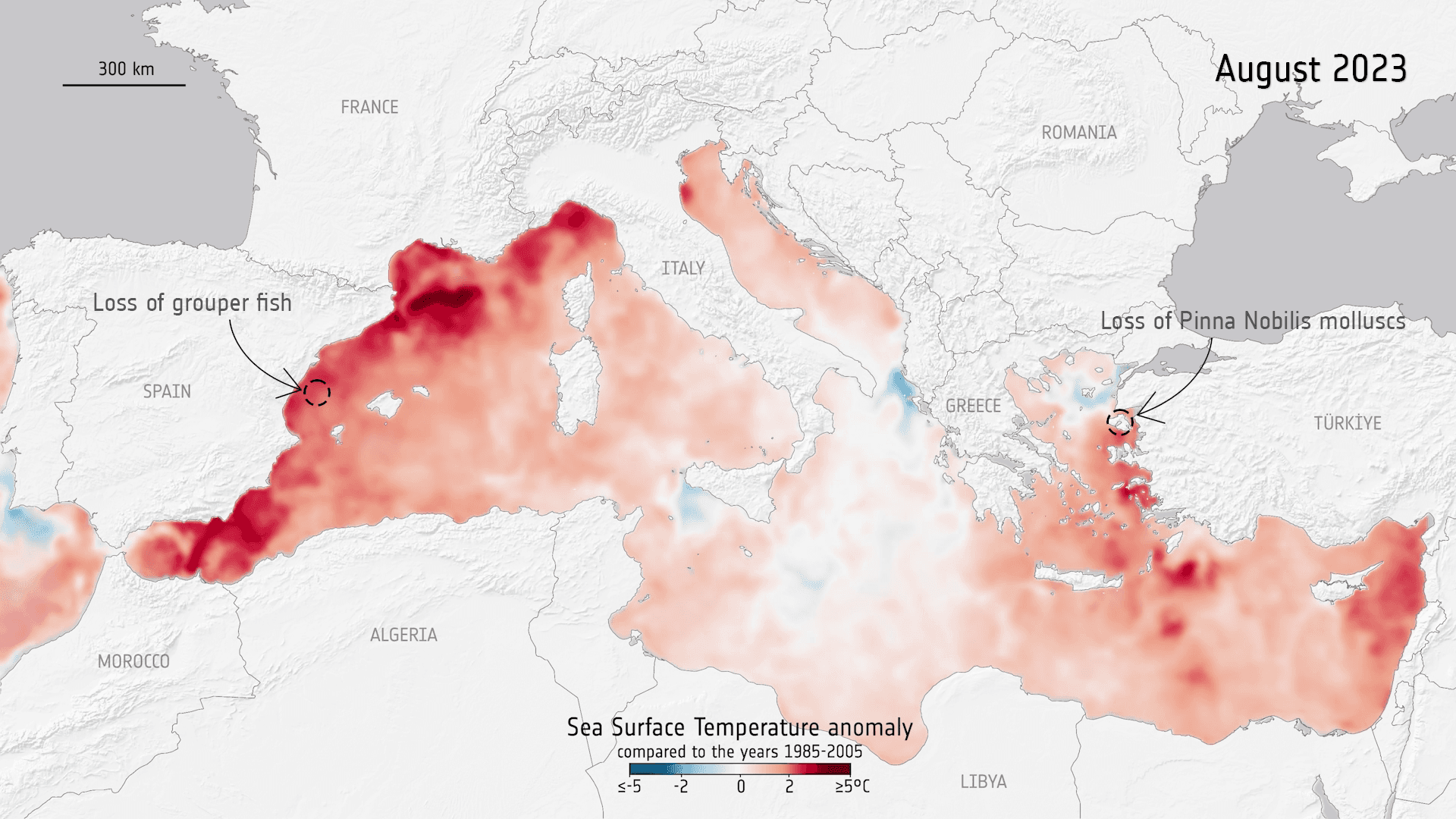
The ESA's Climate Secrets: Why Satellite Data is Terrifying the Energy Titans
New European Space Agency climate insights reveal a hidden feedback loop that traditional models miss. This is the real climate crisis.

DailyWorld Editorial
AI-Assisted, Human-Reviewed
Reviewed By
DailyWorld Editorial