The Billion-Dollar Lie: Why Your Gut Health Obsession is Just Big Food’s New Profit Center
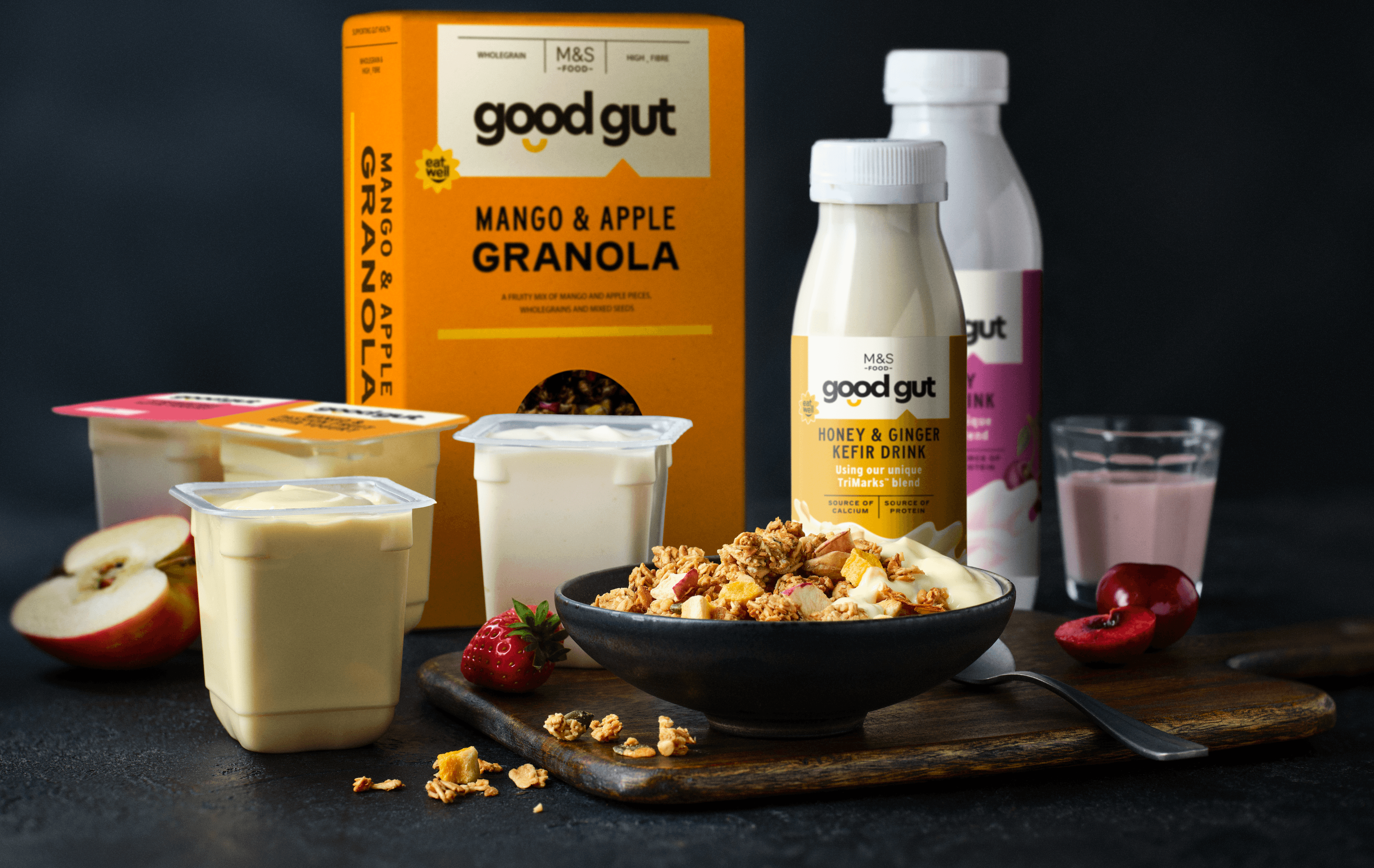
Forget probiotics. The booming 'gut health' industry is masking a darker truth about processed foods and corporate wellness.
Key Takeaways
- •The gut health industry profits by monetizing chronic conditions caused by modern diets.
- •True gut health improvement relies more on removing inflammatory ingredients than adding expensive supplements.
- •The economic model favors perpetual sickness management over actual, permanent dietary solutions.
- •Expect future marketing to pivot towards selling 'bottled soil' or hyper-specific microbiome kits.
The Billion-Dollar Lie: Why Your Gut Health Obsession is Just Big Food’s New Profit Center
We are living in the age of the microbiome. Every health magazine, every influencer, and every new product promises salvation through better gut health. But before you drop another $50 on artisanal kefir or bespoke fiber supplements, you need to understand the unspoken truth: this wellness trend is less about your biology and more about corporate balance sheets. The real fight isn't inside your colon; it’s in the boardroom.
The mainstream narrative—the one you read in the soft-focus guides—tells you to eat more fermented foods and manage stress. This is the surface level. The deep dive reveals that the very food systems currently driving chronic inflammation and dysbiosis are the same ones now marketing the 'cure.' We are witnessing the ultimate corporate pivot: monetize the disease, then sell the overpriced antidote.
The Economic Engine of Anxiety
Why the sudden, explosive focus on the gut? Because it’s the perfect vector for recurring revenue. Unlike a broken bone that heals, the gut microbiome requires constant maintenance. This creates a captive consumer base. Companies selling high-margin probiotics and prebiotics are not just selling supplements; they are selling perpetual anxiety management. Who truly wins? Not the consumer who juggles five different bottles, but the conglomerates who can label a slightly modified oat milk as 'digestive support.'
Consider the data. The global gut health market is projected to skyrocket, fueled by generalized anxiety about diet and the confusing science. We are chasing a moving target. If the foundational diet—high in industrial seed oils, refined sugars, and low-grade additives—remains unchanged, no amount of expensive bacteria slurry will fix the problem long-term. This is the core hypocrisy of the modern wellness movement.

The Contrarian View: It’s Not About Addition, It’s About Subtraction
The investigative journalist looks past the hype and asks: what are we *removing*? The critical conversation rarely focuses on the industrial chemicals and emulsifiers that actively destroy the diversity of the gut ecosystem. Instead, the focus is shifted to adding expensive, often poorly regulated, 'good' bacteria.
True, sustainable microbiome diversity doesn't come from a refrigerated shelf. It comes from the radical simplification of your diet, prioritizing whole, minimally processed foods grown in healthy soil. This is inherently anti-capitalist for the current food industry model, which thrives on complexity, shelf stability, and chemical intervention. For a deeper look into how industrialized food affects public health, see the established research from organizations like the World Health Organization on diet-related diseases.
What Happens Next? The Great Bifurcation
The next five years will see a sharp bifurcation in the health landscape. On one side, the masses will continue to cycle through expensive, marginally effective gut products, chasing the next viral trend (perhaps fecal transplants becoming mainstreamed consumer products). On the other, a smaller, more informed cohort will reject the supplement hustle entirely. They will focus on foundational health: stress reduction, movement, and radically clean eating.
Prediction: The supplement companies will pivot again. They will start selling 'soil health' products directly to consumers, effectively bypassing the need for you to buy food from actual farmers. They will try to bottle the farm itself. This move will be met with increasing skepticism, but only once the economic damage from years of misinformation is fully realized.
Stop buying the narrative. Start questioning the ingredients list. Your health—and your wallet—depends on it.
Gallery


Frequently Asked Questions
Is taking a daily probiotic supplement ever necessary?
For the average healthy person consuming a varied diet, daily prophylactic probiotics are usually unnecessary and often ineffective. They become more relevant after antibiotic use or under specific medical guidance for diagnosed conditions.
What is the single most damaging factor to gut health according to science?
While complex, the consistent consumption of highly processed foods, refined sugars, and artificial emulsifiers is widely cited as the primary driver for reducing microbial diversity and promoting inflammation.
Where can I find reliable, non-commercial information on the microbiome?
Look towards academic journals, university health pages, or established medical institutions like the Mayo Clinic or the NIH, rather than direct-to-consumer wellness blogs.
What are the key ingredients driving the gut health market boom?
The market is driven by Inulin, FOS (fructooligosaccharides), various Lactobacillus and Bifidobacterium strains, and fermented dairy products like kefir, often marketed as 'superfoods'.
Related News

The Hidden Cost of Local Healthcare Consolidation: Why Niagara Health’s ‘Progress’ is a Trojan Horse
Investigating Niagara Health's restructuring reveals a dangerous trend in regional healthcare consolidation that taxpayers aren't seeing.

Libya’s ‘Clean Bill of Health’: The Forgotten Disease Victory That Hides a Deeper Crisis
The WHO validated Libya's elimination of trachoma, but this public health win masks ongoing institutional fragility and the real cost of 'neglected tropical diseases.'

The Hidden Cost of University 'Wellness': Why USU's Mental Health Push Isn't About You
The expansion of USU's Sorenson Center mental health services reveals a deeper crisis in Northern Utah's **public health infrastructure**.
