The Billion-Dollar Lie: Why Your At-Home Microbiome Test Is A Scam Disguised As Health Hacking

Are at-home microbiome tests truly the key to hacking your health, or just another expensive wellness fad? The truth about the data they sell.
Key Takeaways
- •Most at-home microbiome tests offer generalized advice (like eating fiber) that is not worth the high cost.
- •The primary business model may rely on aggregating user data for future commercial licensing, not immediate personalized health.
- •Scientific validation for translating raw microbiome data into specific dietary prescriptions is currently weak.
- •Expect increased regulatory scrutiny as these direct-to-consumer tests gain popularity.
The Hook: Are We Buying Snake Oil in a Petri Dish?
The promise is intoxicating: unlock the secrets of your inner ecosystem, tailor your diet with surgical precision, and achieve peak wellness—all from a small plastic tube mailed from your kitchen counter. At-home microbiome tests have exploded into a multi-billion dollar industry, marketed as the ultimate bio-hack. But peel back the veneer of glossy marketing, and what you find isn't revolutionary science; it’s often highly generalized advice built on shaky foundations. We are being sold complexity where simplicity rules, and the real winners are the data brokers, not the consumers seeking genuine health insights.
The central issue in the gut health revolution isn't *if* our microbes matter—they absolutely do, influencing everything from mood to metabolism. The issue is validity and actionability. These tests promise to decode your unique bacterial fingerprint, yet the scientific consensus on translating raw sequencing data into personalized dietary prescriptions remains profoundly underdeveloped. When you pay hundreds of dollars for a snapshot of your gut flora, you are paying for a report that frequently tells you to eat more fiber—advice available for free from any reputable health organization.
The "Why It Matters": The Data Extraction Play
Forget the personalized yogurt recommendations for a moment. The real, unspoken truth about the proliferation of DNA testing services, including microbiome kits, is the value of the aggregated data. Every stool sample sent in is a data point in a massive, proprietary database. Who owns this data? How is it being anonymized, or perhaps, how *easily* can it be re-identified?
Companies profit not just from the initial kit sale, but from the potential future licensing of this massive dataset to pharmaceutical companies or research institutions. Consumers seeking to 'hack their health' are unwittingly participating in a massive, decentralized clinical trial without informed consent regarding the long-term commercial use of their biological information. This transforms a personal health quest into a commodity exchange. The high cost of these tests is often subsidized by the long-term value of the genetic and microbial information they capture.
Furthermore, the interpretation often suffers from massive oversimplification. An imbalance flagged by a test might be completely normal for your ethnicity, geography, or diet. A contrarian view suggests that the real 'hack' isn't isolating specific bacteria; it’s returning to foundational public health principles that benefit 99% of the population, regardless of their precise microbial makeup. You don't need a $300 test to know that processed sugar is detrimental to your gut health.
What Happens Next? The Regulatory Reckoning
The current landscape is the Wild West. As the technology becomes cheaper and more accessible, regulatory bodies—slow as they are—will inevitably be forced to step in. We predict a major shake-up within the next three years where the FDA or equivalent bodies will mandate clearer standards for clinical validity. Kits that cannot demonstrate a direct, repeatable, and scientifically sound correlation between their reported findings and measurable health outcomes will either be forced to pivot to pure research models or face outright bans on making diagnostic or prescriptive claims.
The market will bifurcate: one sector will offer expensive, high-fidelity sequencing for genuine research partners, and the other will collapse under the weight of skepticism as mainstream medical practitioners refuse to integrate generalized, non-validated results into patient care. The fad will fade, leaving behind only those companies robust enough to prove their science, not just their marketing budget.
Gallery


Frequently Asked Questions
Are at-home microbiome tests medically reliable for diagnosing diseases?
Currently, most direct-to-consumer microbiome tests are not considered medically reliable for diagnosing specific diseases. They provide a snapshot of bacterial populations, but the clinical interpretation and actionable recommendations often lack rigorous, peer-reviewed validation.
What is the biggest risk associated with using these gut testing services?
The biggest risks are financial waste on non-actionable advice and the potential surrender of sensitive biological data to companies whose long-term data usage policies may not fully align with consumer privacy expectations.
If I want to improve my gut health, what should I do instead of buying a test?
Focus on proven foundational habits: increase dietary fiber intake from diverse whole foods, consume fermented foods (like yogurt or kefir), manage stress, and ensure adequate sleep. These universal factors have a more immediate and proven impact on gut health than niche sequencing.
What is the difference between a microbiome test and a standard stool test?
A standard stool test (often ordered by a doctor) looks for specific pathogens, parasites, or markers of inflammation. A microbiome test uses sequencing technology to identify the *types* and *abundance* of trillions of bacteria present, aiming for a broader ecological profile.
Related News
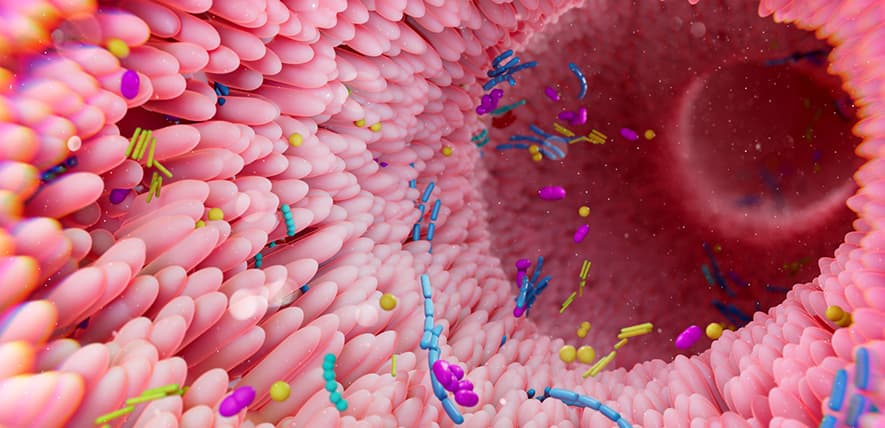
The Gut Biome Secret: Why Your 'Hidden' Microbes Are the Real Billion-Dollar Industry
Forget supplements. A massive Cambridge study confirms your gut microbiome dictates health, exposing the next frontier in personalized medicine and corporate control.
The Alzheimer’s 'Cure' Hype Machine: Why Combining Cannabis and Ibuprofen Changes Everything (And Who Profits)
New research pairs a cannabis compound with an anti-inflammatory, signaling a massive shift in Alzheimer’s prevention strategy.
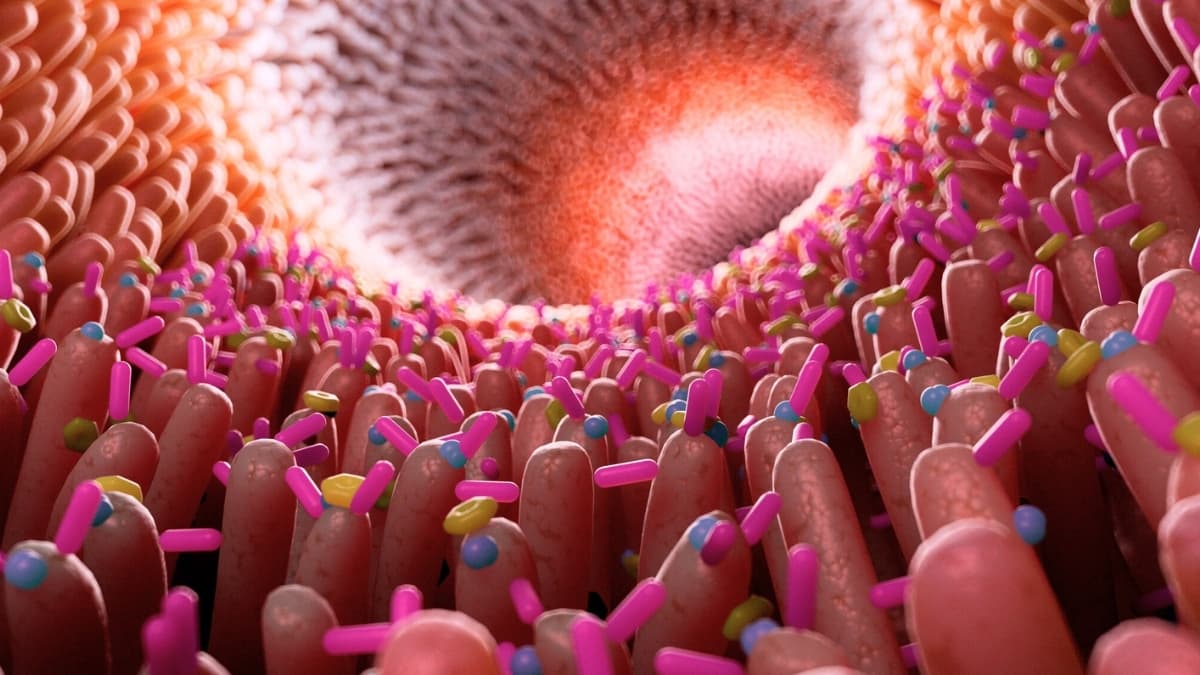
The Alzheimer's Lie: Why Your Gut Bacteria Are the Real Billion-Dollar Target
The gut-brain axis link to Alzheimer's is confirmed, but the real story is who profits from this microbial revolution in dementia research.

DailyWorld Editorial
AI-Assisted, Human-Reviewed
Reviewed By
DailyWorld Editorial