The Bicentennial Cash Grab: Why the New 'Independence Quarters' Are a Subtle Political Weapon

Forget patriotism; these 250th anniversary quarters reveal a deeper, cynical play in American currency design and cultural memory.
Key Takeaways
- •The five new quarters are a calculated move to control the narrative of the 250th Bicentennial.
- •The fragmentation of the design minimizes complex historical truths in favor of marketable iconography.
- •This physical currency push signals a final investment in tangible national symbols before digital finance dominates.
- •The primary financial beneficiaries are collectors and the U.S. Mint itself.
The Bicentennial Cash Grab: Why the New 'Independence Quarters' Are a Subtle Political Weapon
Everyone loves a commemorative coin. The U.S. Mint has announced five new quarters celebrating the **250th anniversary of American independence**, a milestone so massive it demands fanfare. But here’s the unspoken truth: this isn't just about honoring history; it’s about controlling the narrative of **American history** in the run-up to 2026. While the public focuses on the shiny designs, the real story lies in **currency design** strategy and who gets to define the founding myth. ### The Art of Manufactured Nostalgia The official line is simple: celebrate the revolution. We see designs paying homage to the Declaration, the birth of governance, and the ideals of liberty. This is standard commemorative fare, designed to boost coin collector sales and provide a feel-good distraction. But look closer at the selection process and the chosen imagery. The Mint, under Treasury guidance, is carefully curating the visual language of the Bicentennial. This isn't just art; it’s state-sanctioned memory-making. Why five quarters? It fragments the narrative. Instead of one powerful, unified symbol, we get five bite-sized, easily digestible historical soundbites. This strategy ensures that every demographic group gets a visually palatable piece of the past, softening the sharp, often contradictory edges of the actual Revolution. The underlying goal of this **currency design** rollout is narrative control—to present a sanitized, bipartisan vision of the founding, precisely when national divisions are at their peak. ### The Real Winners and Losers Who truly benefits? Not the average consumer, who sees a minor variation in pocket change. The winners are the **U.S. Mint**, which sees guaranteed revenue streams from collectors eager to complete the set, and political factions seeking to anchor their modern platform to an idealized past. The losers? Nuance and historical accuracy. The focus shifts from the complex, messy reality of the founding—slavery, internal dissent, economic coercion—to easily marketable iconography. This move isn't contrarian; it’s deeply cynical. By packaging **American history** into easily collectible discs, they diminish the weight of the actual 250-year legacy. It transforms a monumental anniversary into a quarterly sales cycle. This is the commodification of patriotism, a brilliant, low-stakes way to test public appetite for nationalistic symbolism ahead of the main Bicentennial events. ### What Happens Next? The Digital Deprecation Signal My prediction is that the public's fascination with these physical quarters will peak and then rapidly decline. They represent a final, glorious gasp of physical **currency design** before the irreversible shift to digital finance accelerates. The government is investing heavily in commemorative physical assets precisely when the long-term viability of physical cash is waning. This is a strategic move to maintain the *feeling* of tangible national identity even as transactions move entirely onto platforms like FedNow. Expect the next major design push, post-2026, to focus heavily on digital wallet iconography or central bank digital currency (CBDC) branding, rendering these beautiful quarters historical artifacts of a dying medium. We should be demanding deeper engagement with our founding principles, not just prettier pocket change. The future of American identity is being minted, and it smells faintly of zinc alloy and marketing budgets.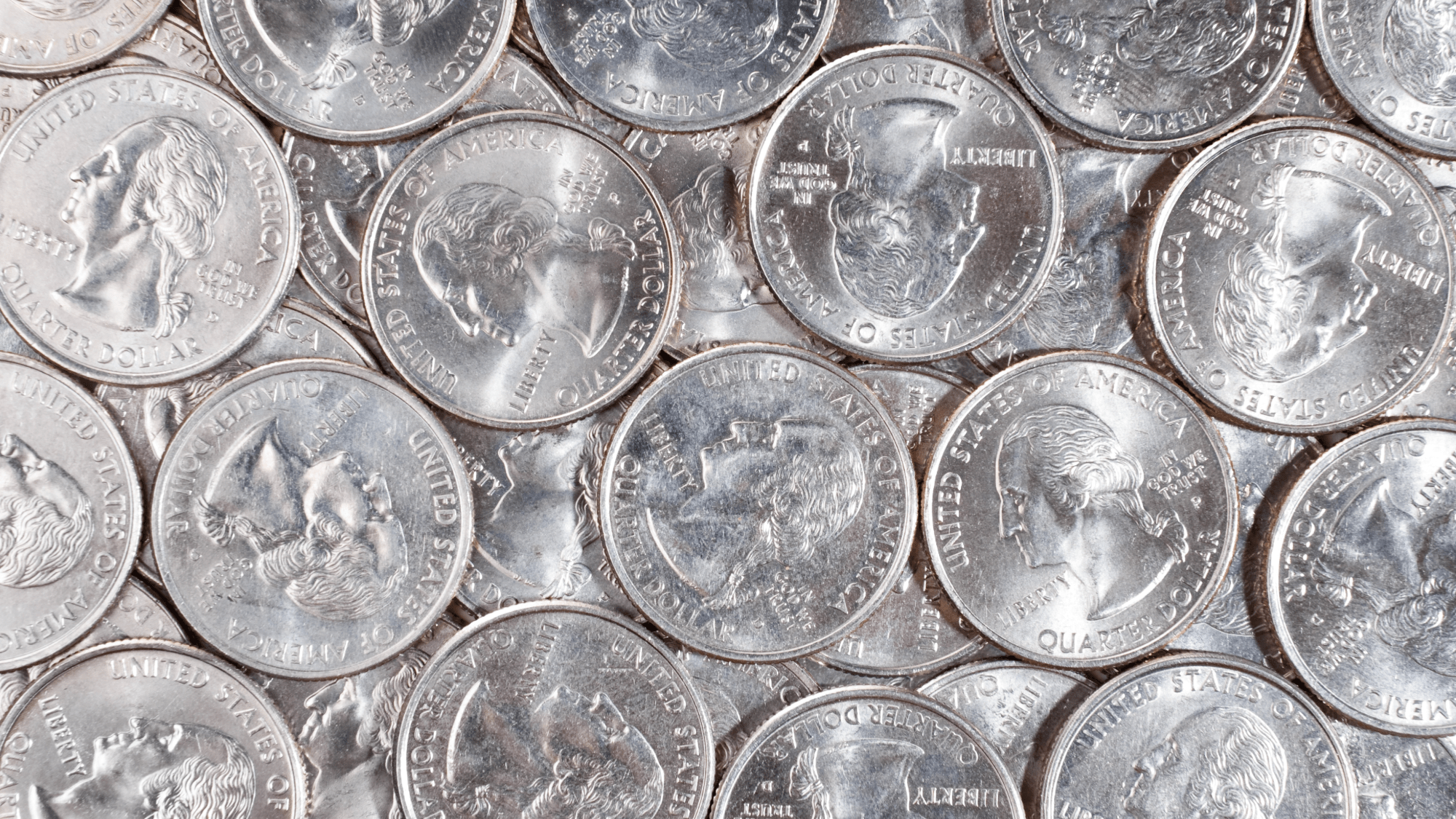
Frequently Asked Questions
When exactly will the 250th anniversary of American independence occur?
The core anniversary, marking the signing of the Declaration of Independence, is July 4, 2026. The commemorative coin program spans several years leading up to this date.
What is the purpose of the American Women Quarters Program overlap?
The new Bicentennial quarters are being issued alongside the ongoing American Women Quarters Program, which further complicates the Mint's output and funding priorities, spreading collector focus thinly.
Are these commemorative quarters worth more than 25 cents immediately?
No. Unless they are in pristine, uncirculated condition and purchased directly from the Mint at a premium, their face value remains 25 cents. Their long-term collector value depends on rarity and condition.
What is the main criticism regarding modern currency design?
Critics often argue that modern commemorative coins prioritize political messaging or commercial appeal over aesthetic quality or enduring historical significance, turning legal tender into fleeting collectibles.
