The Beer Tap is Watching You: Why Pubinno’s Smart Tech is a Threat, Not a Triumph, for Hospitality
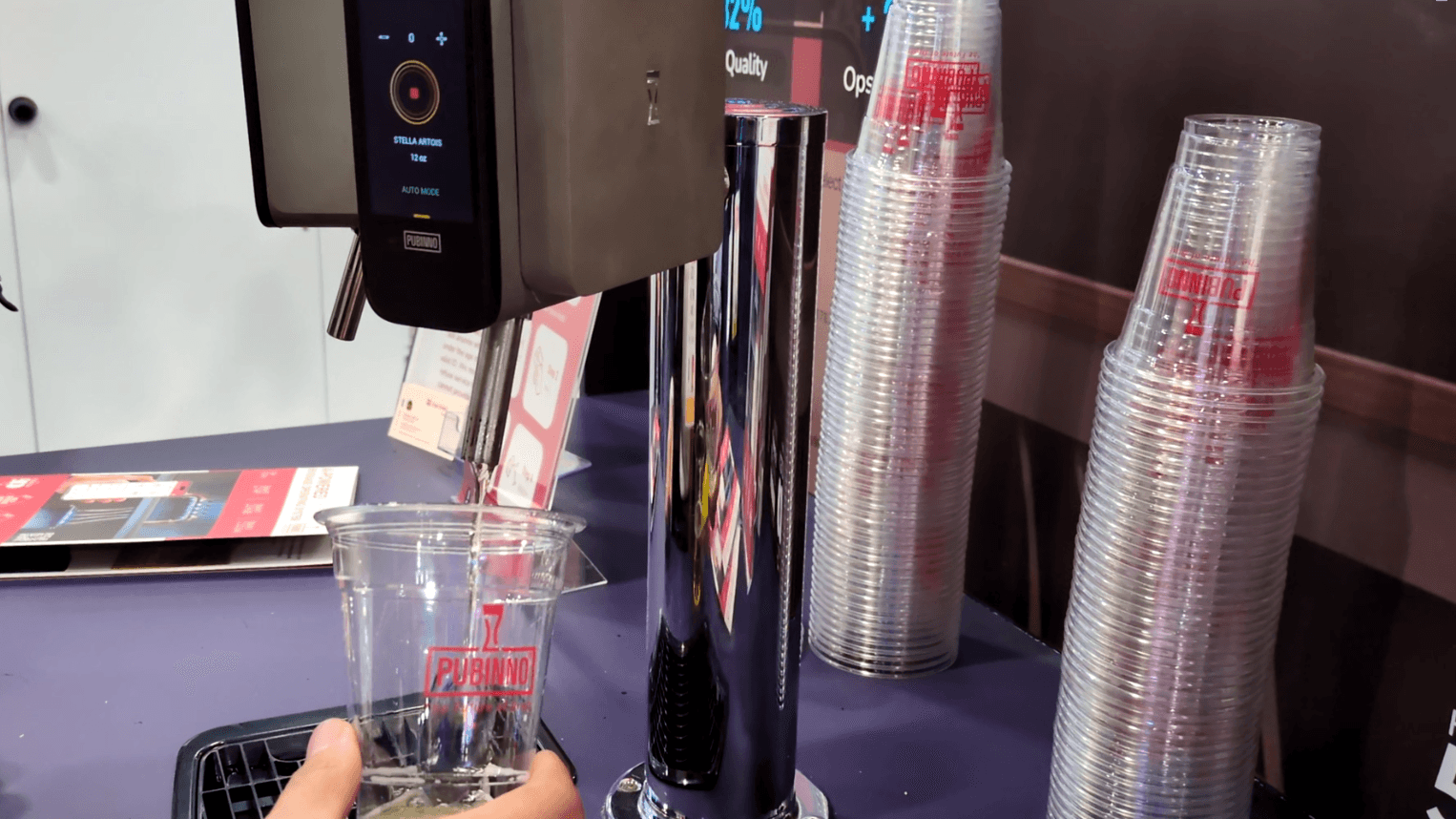
The Pubinno Smart Tap at CES promises efficiency, but the real story of this 'clean technology' is data surveillance and the death of the bartender.
Key Takeaways
- •The Pubinno Smart Tap prioritizes granular data collection (consumption patterns) over simple waste reduction.
- •This technology accelerates the replacement of skilled bartenders with automated systems, eroding human interaction in service industries.
- •The primary beneficiaries are distributors and data aggregators, not necessarily the bar owners or consumers.
- •Expect mandatory adoption in premium venues within three years, driven by insurance and efficiency metrics.
The Hook: Happy Hour, Silicon Valley Style
We were promised a future of sustainable drinking, yet what CES delivered was a highly polished surveillance device masquerading as a beer tap. The Pubinno Smart Tap, hailed by some as a leap forward in smart hospitality, flew under the radar during the tech frenzy, but it demands scrutiny. This isn't just about reducing foam waste; this is about the quiet, insidious creep of IoT into every corner of our leisure lives. The unspoken truth is that this shiny piece of beverage technology is less about environmentalism and more about granular, real-time inventory control and customer profiling.
The 'Meat': Efficiency or Espionage?
Pubinno claims its system drastically cuts down on waste—a noble goal in the fight against resource depletion. By monitoring pour volume, temperature, and even dispensing speed, they offer bars unprecedented efficiency. But let’s peel back the chrome plating. Who benefits most from this level of granular data? Not the customer, certainly. It’s the distributor, the brewery, and the platform owner.
Every tap becomes a sensor node. They know precisely when the rush hits, which specific brand sells out fastest, and crucially, they know your personal consumption patterns. This is the next frontier of Internet of Things (IoT) integration: turning the social sanctuary of the bar into a transparent data farm. When you look at the rise of automated checkouts and self-service kiosks, the Smart Tap is the logical, chilling conclusion. It automates the most human part of the transaction: the bartender’s judgment and interaction.
The Why It Matters: The Death of the Human Element
Why should a major publication focus on a bar tap? Because it’s a perfect microcosm of modern industrial evolution. The decline of skilled, human-centric service jobs is accelerating. The bartender, historically a confidant, a local historian, and a gatekeeper of community gossip, is being systematically replaced by algorithms designed to maximize profit per ounce. This transition erodes cultural spaces.
Furthermore, consider the security implications. We trust banks with our money and hospitals with our health records. Are we now ready to trust an unproven IoT device connected to a bar’s POS system with real-time consumption data? History shows us that convenience always precedes compromise. When data breaches occur—and they will—it won't just be passwords lost; it will be behavioral profiles sold to the highest bidder. This is the hidden cost of 'clean technology' in the service sector.
What Happens Next? The Prediction
Our bold prediction is this: Within three years, insurance companies and high-end hospitality groups will mandate the installation of these smart dispensing systems for premium accounts. Why? Because the data proves reduced liability risks (no human error in over-serving) and optimized supply chains. Bars that refuse will be priced out of favorable distribution contracts. We will see a bifurcated market: high-end venues running like automated factories, and dive bars—the last bastions of genuine human interaction—struggling to compete against the efficiency metrics of their smart rivals. The true innovation here isn't the tap; it's the creation of a new, mandatory layer of digital oversight for alcoholic beverage service.
The rise of smart hospitality is inevitable, but we must stop framing it solely as an environmental win. It is an economic restructuring that prioritizes data visibility over human connection. For more on the economic implications of automation, see the analysis by MIT on labor displacement. [Link to a reputable source like an established university study or major financial publication on automation's effect on service jobs].
Gallery


Frequently Asked Questions
What is the main environmental claim behind the Pubinno Smart Tap?
The main environmental claim is the reduction of beer waste caused by improper pouring techniques, resulting in less product loss and lower disposal needs.
How does the Smart Tap collect data?
It uses integrated sensors to measure variables like pour volume, temperature, dispensing time, and potentially integrates with Point of Sale (POS) systems to track sales activity in real-time, creating a comprehensive usage profile.
Is this technology unique to beer, or is it applicable to other beverages?
While debuted for draft beer, the underlying principles of metered, sensor-driven dispensing are highly transferable to high-volume fountain drinks, wine-on-tap systems, and even specialized spirits.
What are the risks associated with implementing this level of IoT in bars?
The primary risks involve data security breaches, the creation of detailed consumer behavioral profiles that can be monetized or misused, and the erosion of workforce skills.
Related News

The AI Art Coup: Why Silicon Valley Is Killing Culture (And Who Really Benefits)
The fusion of arts, culture, and technology isn't a renaissance; it's a hostile takeover. Unpacking the hidden economic reality.

The Hidden Cost of Digital Immortality: Why C.S. Lewis Warned Us About 'The Abolition of Man' in Your Smartphone
We analyze how C.S. Lewis's timeless critique of technological overreach perfectly predicts today's AI and digital dependency crisis.

DailyWorld Editorial
AI-Assisted, Human-Reviewed
Reviewed By
DailyWorld Editorial