The Air We Breathe Is Now a Weapon: Why Doctors Are Terrified and Who's Profiting from the Smog
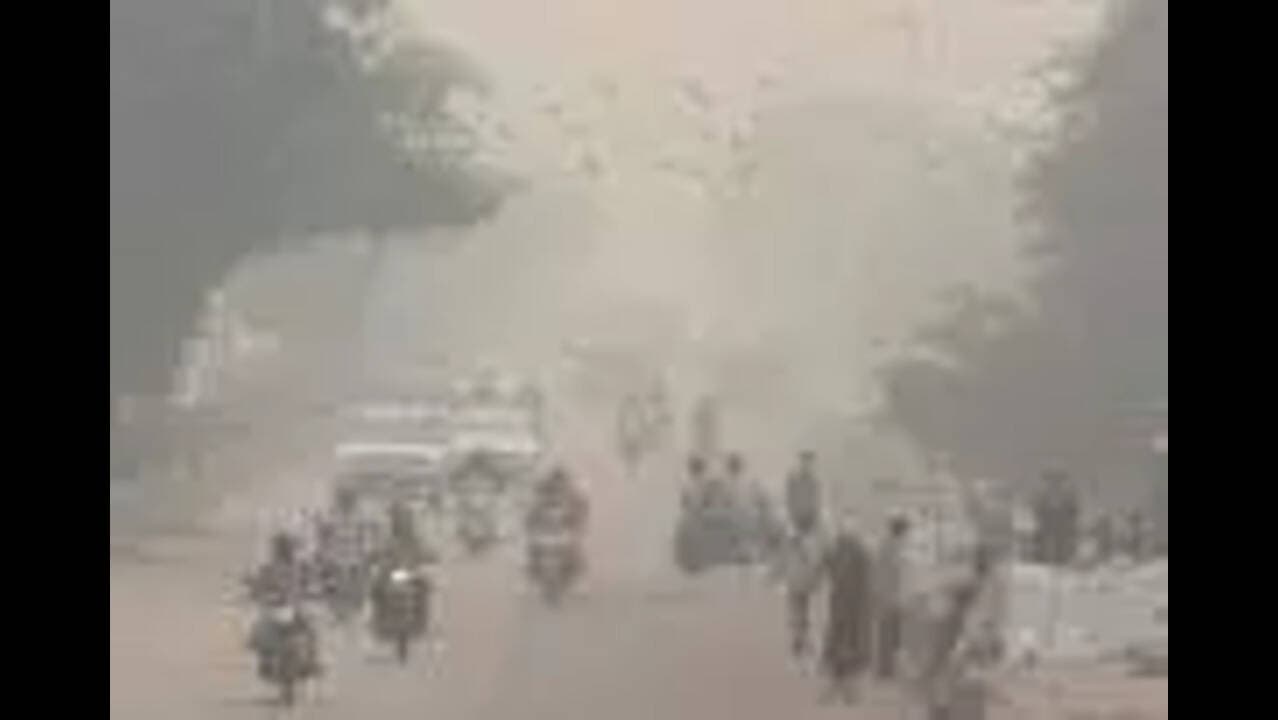
80 Padma doctors declare the air a health emergency. But this isn't just pollution; it's a systemic failure weaponizing our environment.
Key Takeaways
- •The air crisis is officially categorized as a 'direct health emergency' by top medical experts.
- •The unspoken winner is the healthcare/pharma industry, profiting from preventable chronic illnesses.
- •Failure to enforce pollution laws is a deliberate policy choice, not mere incompetence.
- •Expect an 'air apartheid' as the wealthy invest in private filtration, leaving the masses exposed.
The Air We Breathe Is Now a Weapon: Why Doctors Are Terrified and Who's Profiting from the Smog
When 80 of the nation's most decorated medical minds—Padma awardees—collectively issue a warning that bad air is a direct health emergency, the conversation shifts from 'environmental concern' to 'systemic collapse.' This isn't just about smog; it’s about the calculated, ignored decay of public infrastructure that now actively shortens lifespans. The core issue is not the smoke itself, but the profound political cowardice that allows this public health crisis to fester year after year. This is the defining failure of our modern urban contract.
The Unspoken Truth: The Economics of Sickness
The real story behind this alarming declaration isn't the particulate matter count; it’s the economic ecosystem thriving on it. Who benefits when millions are sick? Healthcare conglomerates, pharmaceutical giants, and the industries that lobbied for lax emission standards in the first place. We are witnessing the slow-motion privatization of public health, where the cost of breathing is being transferred from corporate balance sheets directly onto individual hospital bills. This is the 'pollution premium'—a hidden tax on every citizen that enriches polluters while crippling the national health budget. The irony is stark: top doctors are warning us about the air, while the systems that protect them are simultaneously being bankrupted by the consequences.
The focus on seasonal crop burning or Diwali fireworks is a convenient distraction. The deep dive analysis reveals that the consistent, year-round industrial and vehicular emissions are the true culprits. We are treating symptoms (asthma, COPD, cardiac events) while ignoring the root cause—a political economy structured to prioritize short-term growth over long-term viability. The failure to implement and enforce stringent pollution control measures is not incompetence; it is a policy choice.
Deep Dive: Why This Matters More Than Election Cycles
The warnings from these esteemed physicians highlight a dangerous precedent. When the custodians of public health sound the alarm, it signifies that the threat level has surpassed manageable risk and entered the realm of predictable catastrophe. This directly impacts national productivity, child development, and the economic viability of entire cities. Consider the long-term cognitive impact on children breathing this air—an invisible erosion of human capital. This is not just about lung function; it’s about national competitiveness. The reliance on imported medical technology to treat entirely preventable diseases is a national security vulnerability masquerading as a health crisis. For deeper context on global air quality standards, see the World Health Organization’s guidelines [Link to WHO air quality guidelines].
What Happens Next? The Prediction
The next logical step, based on historical precedent, is a period of performative outrage followed by absolutely zero systemic change. However, I predict a sharp, localized bifurcation. Wealthy enclaves and expatriate communities will aggressively invest in hyper-localized air purification infrastructure—private filtration systems for homes, private schools, and filtered transport. The middle and lower classes, who cannot afford this 'air apartheid,' will bear the full, unmitigated brunt. This will lead to a significant, measurable surge in chronic disease migration away from major polluted hubs, fundamentally reshaping urban demographics within the next five years. The clean air divide will become the new socioeconomic fault line, more potent than housing costs. For a look at economic impacts of pollution, review analyses from respected economic journals [Link to a relevant academic/reputable economics source regarding pollution costs].
The doctors’ warning is the final curtain call before the tragedy truly begins. We need regulatory shock, not more polite requests. The failure to act decisively now means accepting a future where basic respiration requires a premium subscription.
Gallery

Frequently Asked Questions
What specific health issues are the Padma awardee doctors most concerned about?
The primary concerns revolve around the sharp rise in chronic respiratory illnesses like COPD and asthma, increased cardiovascular incidents (heart attacks and strokes) linked to fine particulate matter (PM2.5), and long-term neurological impacts, especially in children.
What is the 'pollution premium' mentioned in the analysis?
The 'pollution premium' refers to the hidden economic burden placed on citizens—increased medical expenses, lost workdays, and reduced productivity—that directly results from environmental degradation caused by unchecked industrial and vehicular emissions.
Are there any high-authority global benchmarks for safe air quality?
Yes, the World Health Organization (WHO) sets stringent guidelines for air pollutants like PM2.5. Many major urban centers consistently operate far above these safe thresholds, which forms the basis of the health emergency declaration.
What is the most effective way to combat this crisis according to experts?
Experts overwhelmingly point towards radical, non-negotiable enforcement of existing emission norms, rapid transition to clean energy transport infrastructure, and holding large industrial polluters financially accountable for public health costs.
Related News

The Hidden Cost of Local Healthcare Consolidation: Why Niagara Health’s ‘Progress’ is a Trojan Horse
Investigating Niagara Health's restructuring reveals a dangerous trend in regional healthcare consolidation that taxpayers aren't seeing.

Libya’s ‘Clean Bill of Health’: The Forgotten Disease Victory That Hides a Deeper Crisis
The WHO validated Libya's elimination of trachoma, but this public health win masks ongoing institutional fragility and the real cost of 'neglected tropical diseases.'

The Hidden Cost of University 'Wellness': Why USU's Mental Health Push Isn't About You
The expansion of USU's Sorenson Center mental health services reveals a deeper crisis in Northern Utah's **public health infrastructure**.

DailyWorld Editorial
AI-Assisted, Human-Reviewed
Reviewed By
DailyWorld Editorial