The AI Voice Takeover: Why Your Next Burger Order Will Be Taken by a Robot (And Why You Should Be Terrified)
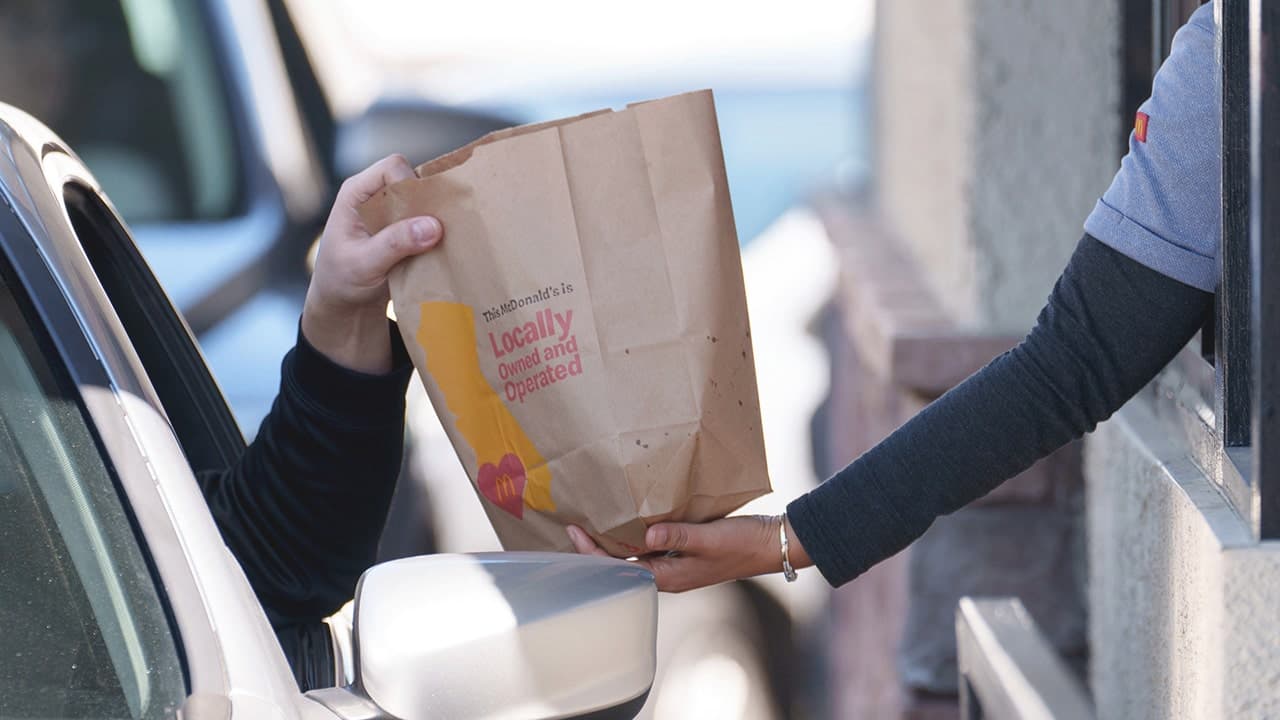
Fast-food chains are deploying AI ordering tech to solve labor crises, but the real story is the death of human interaction and data harvesting.
Key Takeaways
- •AI ordering systems prioritize massive data harvesting over simple labor cost reduction.
- •The technology dismantles entry-level employment opportunities in the service sector.
- •The future of fast food will split between sterile AI efficiency and expensive 'hyper-humanized' experiences.
- •Customers are unknowingly trading behavioral data for faster order processing.
The Hook: Silence in the Drive-Thru
The familiar, often clumsy, human voice yelling over the static of the drive-thru speaker is rapidly being replaced. This isn't just about efficiency; it's about control. Reports confirm that major fast-food technology players are aggressively implementing sophisticated Artificial Intelligence (AI) for customer ordering. But while the mainstream narrative spins this as a solution to labor shortages, the unspoken truth is far more insidious: this is the final, quiet surrender of human touch in the service industry, driven by unprecedented data capture.
We are witnessing the next major wave in restaurant automation. Companies like McDonald’s and Wendy’s are testing voice AI solutions that can handle complex orders, upselling with unnerving accuracy. The immediate benefit is clear: reduced labor costs and 24/7 order taking capacity. But dig deeper into the economics of digital transformation, and you see the real prize.
The Meat: Beyond Efficiency, It’s About Predictive Profiling
The current focus on labor savings misses the forest for the trees. A human cashier asks, 'Would you like fries with that?' An AI system logs not just the upsell attempt, but the hesitation, the tone of voice, the cadence, and the exact time of day you ordered a specific item.
This isn't just order taking; it’s **hyper-personalized behavioral surveillance**. Every interaction feeds massive datasets used to refine demand forecasting, optimize dynamic pricing, and, most alarmingly, build detailed customer profiles that go far beyond simple purchase history. The technology is designed not just to serve you, but to know you better than you know yourself. This shift from transactional service to data extraction is the critical inflection point the media is ignoring.
The Why It Matters: The Death of the Low-Skill Ladder
For decades, the fast-food industry served as the entry-level economic ladder for millions—a place to gain basic work experience. As we push further into fast-food technology integration, that ladder is being dismantled, rung by rung. When AI handles the ordering interface—the most customer-facing role—what remains for entry-level workers? Usually, it’s just the low-wage, high-stress fulfillment roles inside the kitchen, which are next on the chopping block for robotics.
Furthermore, what happens when these systems fail or exhibit bias? A human can apologize and override an error. An algorithm, however, entrenches its mistakes, creating systemic frustration for customers who cannot argue with a machine. This reliance on proprietary, often opaque, AI systems centralizes power further away from the local franchise owner and into the hands of Silicon Valley tech providers.
Where Do We Go From Here? The Prediction
Within three years, we will see a clear bifurcation in the quick-service restaurant sector. High-end, experience-focused chains will lean into *hyper-humanized* service to justify premium pricing, emphasizing the 'artisan' connection. Conversely, the mass-market chains, dominated by AI interfaces, will compete solely on price and speed, creating a standardized, frictionless, yet utterly sterile customer experience. The biggest prediction? We will see the first major, highly publicized data breach originating *directly* from an AI voice ordering system, exposing millions of voiceprints and order patterns, forcing a temporary, panicked retreat from this specific form of digital transformation before the industry inevitably doubles down.
The Unspoken Cost of Convenience
The convenience of talking to a machine that never gets tired or moody is seductive. But we are trading valuable, low-stakes human interaction for optimized data streams. This is the quiet revolution happening on every highway exit ramp, and consumers are opting in without reading the terms and conditions.
Gallery


Frequently Asked Questions
What is the primary business driver behind fast-food AI ordering?
While often framed as a solution for labor shortages, the primary driver is the massive volume of granular customer data AI systems collect, which allows for superior dynamic pricing and predictive inventory management.
Will AI ordering systems completely replace human cashiers?
Not entirely, in the short term. They are currently replacing the drive-thru order-taker role. However, the remaining human roles will likely shift entirely to in-store fulfillment and complex problem-solving, which remain difficult for current AI.
What are the risks associated with voice ordering technology?
The main risks involve data privacy, as these systems capture vocal biometrics and detailed conversational patterns, and algorithmic bias, which can lead to systemic errors in service delivery.
How does this technology impact menu personalization?
It allows for real-time, context-aware personalization, meaning the AI can offer tailored deals or suggest items based on historical voice patterns, time of day, and inferred mood, far beyond what a standard mobile app can achieve.
Related News
The AI Care Illusion: Why CVS's Generative Agents Are a Trojan Horse for Efficiency, Not Empathy
CVS Health is testing generative AI agents to 'improve care experiences.' But the unspoken truth is this is about labor cost reduction, not patient miracles.

The Silent Revolution: Why VenHub’s 'Smart Store' Win Isn't About Convenience—It's About Data Dominance
VenHub's recent retail technology milestone isn't just innovation; it's a critical data grab disguised as a customer win. Analyze the true cost of smart stores.
The NIDHC Summit: Why 'World-Changing Tech' is Just Code for Corporate Consolidation
The NIDHC Summit touted breakthroughs, but the real story in **technology** and **innovation** is who controls the pipeline.
