The AI Lie: Why 'Maintaining Humanity' Is the Ultimate Distraction from Power Consolidation
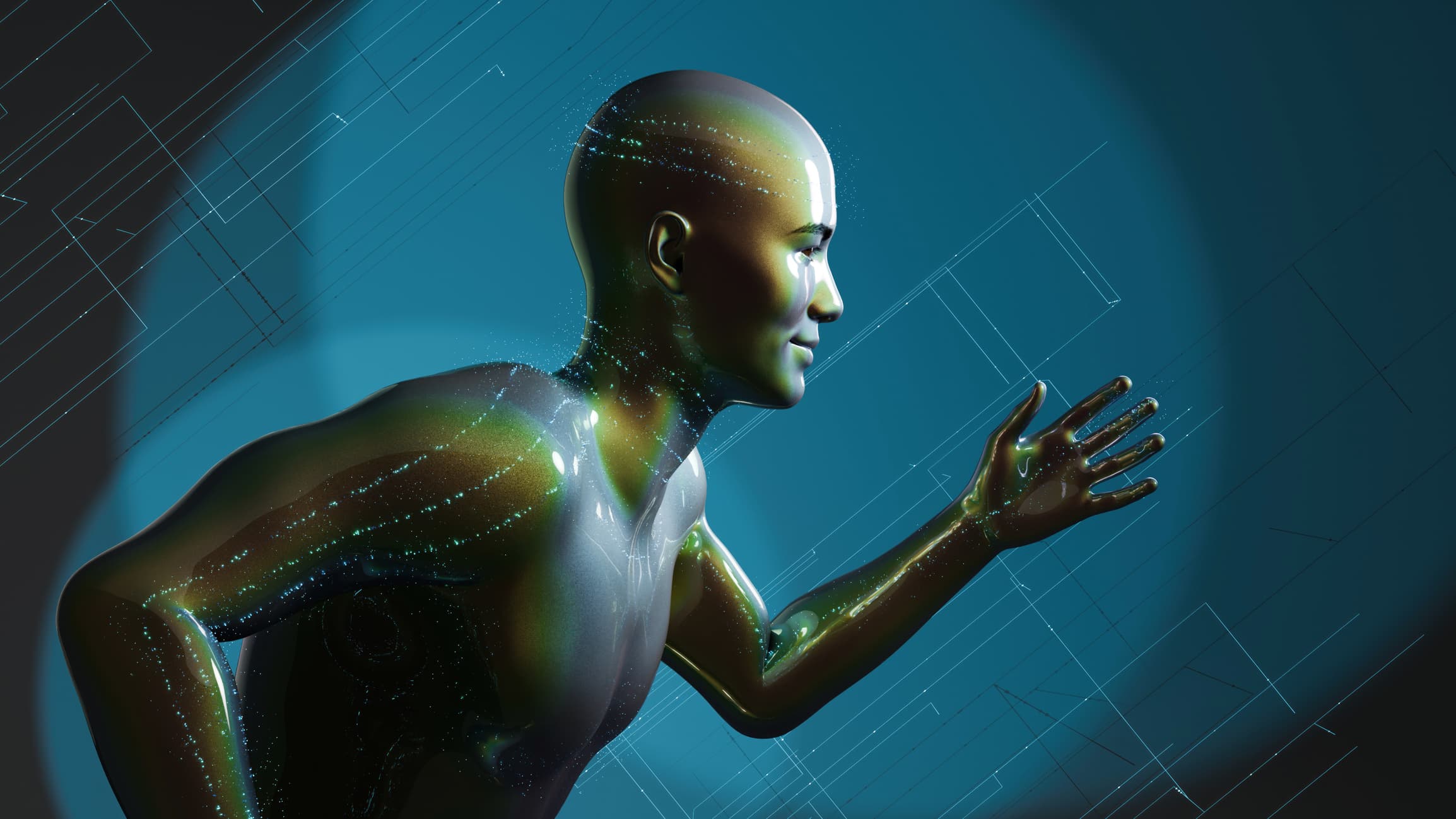
Forget ethics classes. The real lesson in the age of artificial intelligence is realizing who controls the narrative around 'humanity' and why.
Key Takeaways
- •Focus on individual 'humanity' in AI is a distraction from corporate power consolidation.
- •The true threat is economic displacement, not philosophical erosion.
- •Expect the rise of 'Verified Human' credentials as the next major digital divide.
- •Demanding decentralized control is the only path to genuine autonomy against powerful AI platforms.
The Hook: The Soft Sell of the Soul
We are being sold a comforting lie wrapped in academic platitudes. As institutions like ASU push narratives about maintaining humanity in the age of artificial intelligence, the crucial question goes unasked: Who defines 'humanity' when the algorithms are written by a hyper-elite few? This isn't a philosophical debate; it's a power play. The focus on personal ethics is a masterful deflection from the structural capture of our cognitive infrastructure.
The recent focus on AI ethics workshops and 'human-centric' development is not altruism. It is damage control. It serves to soothe public anxiety just enough to allow the rapid, unchecked deployment of transformative AI technology. We are busy debating whether ChatGPT has feelings while venture capitalists are building the operating system for the next century's economy.
The Meat: Analysis of the Distraction
The conversation around 'preserving humanity' always centers on individual behavior: Don't let the machine make your art; remember to write by hand; value empathy. This is the equivalent of telling factory workers to focus on their posture while the CEO lobbies to eliminate their healthcare.
The true threat is not that AI will make us less human; it’s that the entities controlling the most powerful models—Google, Microsoft, OpenAI—will define what 'human output' is worth, and subsequently, what human labor is worth. When sophisticated generative models can pass bar exams and diagnose rare diseases, the value proposition of the average white-collar worker evaporates. The 'humanity' lesson being taught is simply: Learn to service the machine, or become obsolete.
The unspoken truth is that maintaining humanity is an economic luxury. For the knowledge worker facing displacement, the immediate concern isn't existential angst; it’s economic survival. This discourse conveniently shifts blame from the creators of technology" class="text-primary hover:underline font-medium" title="Read more about Disruptive Technology">disruptive technology onto the users.
The Hidden Agenda: Cognitive Hegemony
Consider the source of these 'lessons.' They often emanate from universities and think tanks heavily funded by, or aligned with, the very tech giants pushing the integration. The goal is to ensure that the next generation of workers are compliant collaborators, not rebels. They want engineers who code within the established ethical guardrails—guardrails designed to protect the business model, not human flourishing. As documented by organizations tracking tech lobbying, the focus is always on managing adoption risk, not challenging the underlying concentration of power. See the analysis on technology regulation trends at the Brookings Institution.
Where Do We Go From Here? A Prediction
The trend towards 'humanity preservation' is a temporary palliative. Within five years, the market will render most soft ethical debates irrelevant. My prediction is that we will see the creation of a **'Verified Human' (VH) class.**
As deepfakes and synthetic content flood the internet—making distinguishing reality nearly impossible—institutions (governments, banks, high-value employers) will require cryptographic proof of human origin for critical interactions. This VH credential will become the ultimate gatekeeper, creating a new digital divide: those verifiable by the system, and those who are not. The irony? The very AI technology we are told to fear will be the tool used to enforce this new stratification. This shift is already hinted at in early digital identity projects, as seen in recent reports from Reuters on digital sovereignty.
To truly maintain humanity, we must stop asking how to coexist with the machine and start demanding transparency and decentralized control over the foundational models. Otherwise, our 'humanity' will simply become a feature license managed by others.
Frequently Asked Questions
What is the main counter-argument to focusing on 'maintaining humanity' with AI?
The main counter-argument is that focusing on individual ethics distracts from the structural issue: the centralization of AI development power in a few massive corporations, which dictates the economic and social rules of engagement.
What is the 'Verified Human' (VH) concept?
The VH concept predicts that as synthetic content proliferates, governments and high-stakes entities will require cryptographic proof that an individual is biologically human to access essential services or employment, creating a new digital caste system.
How does AI technology affect the job market according to this analysis?
The analysis suggests AI will rapidly devalue the proposition of average white-collar labor, forcing those workers to either service the AI infrastructure or face obsolescence, making economic survival the primary human concern.
Related News

The Packaging Lie: Why Your 'Smart' Food Container Won't Stop the Next Global Recall
The push for advanced food packaging technology is distracting from the real supply chain weak points. Is this innovation or deflection?

The Hidden Cost of Croom Medical's $100M Bet: Is Ireland Outsourcing Its Future?
The Croom Medical ACOT expansion signals massive medical device manufacturing growth, but what does this mean for Irish tech talent migration?
The Silent Coup: Why Tech Policy Meetings Are a Sham and Who Actually Owns the Future
Forget diversity reports. The real fight over technology policy isn't about representation; it's about regulatory capture and who profits.
