The African Health Workforce Compact: Who Really Wins When the Continent Invests in Itself?
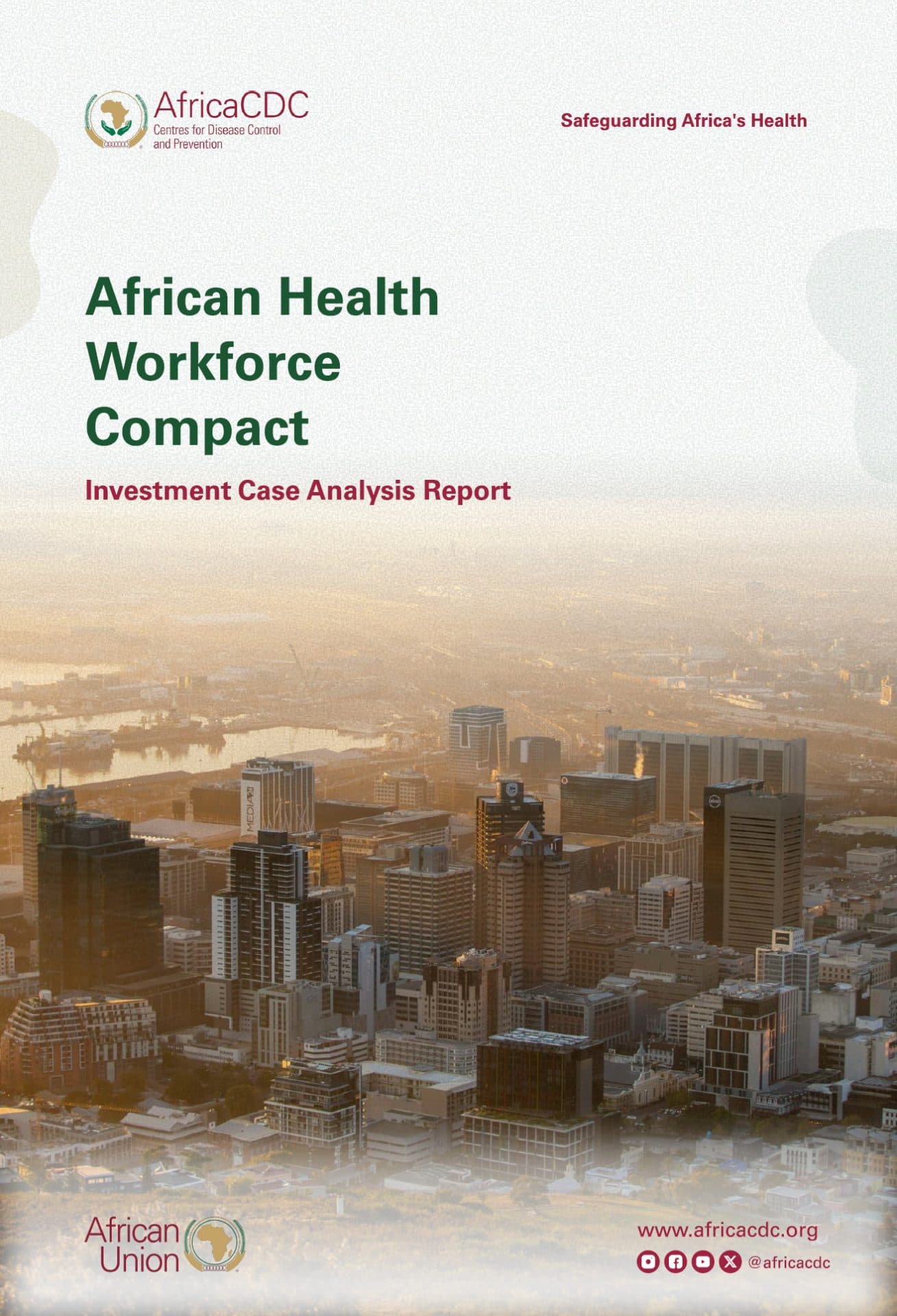
The Africa CDC's Health Workforce Compact is hailed as a win, but we dissect the hidden costs and the real power shift in continental healthcare investment.
Key Takeaways
- •The Compact centralizes governance over the health workforce, shifting power dynamics within the continent.
- •Success depends on difficult domestic budget reallocations, not just international commitments.
- •The next critical bottleneck will be the integration of digital health infrastructure, not just physical staffing.
- •It's a necessary firewall against future global health shocks, benefiting external partners as much as African citizens.
The Hook: Buying an Illusion of Self-Sufficiency
The fanfare surrounding the African Health Workforce Compact, backed by the Africa CDC's Investment Case Analysis Report, sounds like the victory lap Africa has been waiting for. We are told this is the moment the continent finally commits to funding its own healthcare destiny. But stop the applause. While the commitment to bolstering the African health workforce is necessary, the real story isn't the investment; it's the global health security leverage being quietly negotiated.
The surface narrative is simple: More doctors, nurses, and community health workers mean better health outcomes and reduced reliance on foreign aid. This addresses the gaping holes exposed by the last pandemic. However, the unspoken truth is this: this compact is less about charity and more about strategic geopolitical positioning. It’s a necessary firewall against future global health shocks, designed not just to treat citizens, but to quarantine global contagion risks at the source.
The 'Meat': Analyzing the Investment Power Play
The Compact demands significant financial mobilization—a commitment that requires governments to dedicate substantial portions of national budgets to human resources for health (HRH). This is where the friction lies. Who pays? And more importantly, who controls the curriculum and deployment standards?
The winners, ostensibly, are the citizens benefiting from better primary care. The *real* winners, however, are the continental bodies—like the Africa CDC—gaining unprecedented authority in harmonizing standards across 55 nations. This centralization of HRH governance is a massive power consolidation. It means less wiggle room for individual nations to adhere to donor-driven agendas, forcing a unified African response. For instance, while the need for trained personnel is clear (a key focus of the investment case), the risk is creating a 'brain drain' reversal scheme that simply pays staff enough to stop them from leaving for Europe, rather than fundamentally restructuring the economic incentives that drive migration in the first place.
The keyword focus here is **African health workforce** density—the current figures are alarming. But simply adding bodies isn't enough; we need specialized skills that the current infrastructure often fails to support. This compact must confront the reality that infrastructure lags training by years.
Why It Matters: Decoupling from Dependency
This initiative is a crucial step in decoupling African nations from the volatile whims of Western philanthropic cycles. When global crises hit, the first thing to be withdrawn is often non-emergency health funding. The Compact aims to nationalize the risk. Yet, this requires difficult political choices: diverting funds from infrastructure, education, or defense to meet these new health benchmarks. This is the real test of political will, one that media coverage often glosses over in favor of feel-good statistics.
The long-term implication for **global health security** is profound. A robust, self-funded African health system acts as a buffer, benefiting everyone—it reduces the likelihood of novel pathogens spilling over and reaching global hubs. This is enlightened self-interest on a continental scale.
What Happens Next? The Prediction
Prediction: Within five years, we will see a significant, yet uneven, uptick in primary care access metrics. However, the primary challenge won't be funding compliance; it will be digital health integration. The Compact focuses heavily on physical deployment, but the future of the **African health workforce** is hybrid. Nations that successfully leverage mobile technology and AI for remote diagnostics and training will leapfrog those relying solely on traditional brick-and-mortar expansion. Expect the next major investment battle to be fought over broadband access and medical data sovereignty, not just salary scales.
The Compact is a framework, not a solution. Its success hinges on whether African political leadership treats it as a mandate for genuine systemic overhaul, or merely another box to check for international donors. The stakes, as always, involve lives.
Frequently Asked Questions
What is the main goal of the African Health Workforce Compact?
The primary goal is to mobilize domestic and external financing to strengthen, train, deploy, and retain the African health workforce to achieve universal health coverage and enhance global health security.
What does the Africa CDC Investment Case Analysis Report analyze?
It analyzes the financial requirements and economic returns of investing heavily in human resources for health across the continent, providing the rationale for the Compact.
What is the biggest hidden challenge facing this workforce investment?
The biggest challenge is ensuring that new funding addresses the structural issues causing brain drain and low retention, rather than just increasing basic salaries temporarily.
How does this relate to global health security?
A stronger, self-reliant African health system reduces the risk of infectious disease outbreaks spreading globally, thus serving as a critical containment measure for international partners.
Related News

The Silent War: Why Faith Groups Are Suddenly Dominating Global HIV & Reproductive Health Policy
The recent World Council of Churches briefing signals a seismic shift in global health policy. Who is really setting the agenda?
The Hidden Cost of Philanthropy: Why Two MRI Machines Won't Fix Egypt's Healthcare Crisis
Two new MRI machines donated by UNHCR in Egypt signal a deeper dependency. Unpacking the politics of global health aid.

The Great Data Lie: Why Global Health Equity Research is a Trojan Horse for Western Influence
The rush to global health equity research without perfect data is masking a dangerous power shift. Who truly benefits from this data grab?
