The $208 Billion Wellness Tech Lie: Why Your Smart Ring Won't Save Your Soul
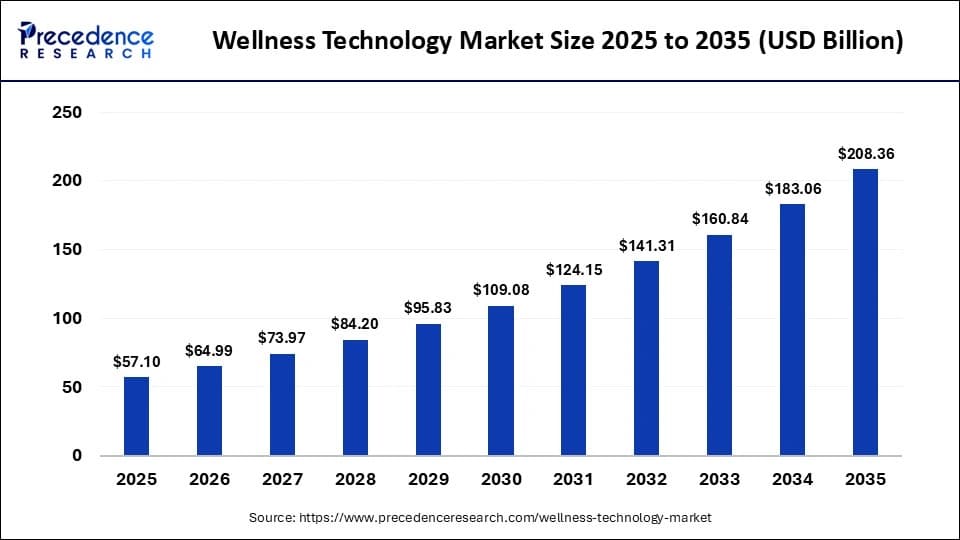
The wellness technology market is projected to hit $208.36B by 2035, but this explosive growth hides a dark truth about data privacy and true health.
Key Takeaways
- •The $208B wellness tech market growth masks a significant risk: the monetization of personal biometric data.
- •The technology risks creating a 'Quantified Self-Class,' deepening health equity gaps.
- •Future growth will be defined by regulatory crackdowns and massive consolidation by data-hungry tech giants.
- •Consumers must weigh the convenience of optimization against the hidden cost of relinquishing control over sensitive health information.
The Hook: Are You Paying for Optimization or Surveillance?
The headlines scream success: the wellness technology market is set to explode, projected by Precedence Research to reach a staggering USD 208.36 Billion by 2035. This isn't just about step counters anymore; it's about deep sleep metrics, continuous glucose monitoring (CGM), and AI-driven personalized longevity plans. But before you pre-order the next iteration of your biometric wearable, stop. We need to talk about the unspoken truth behind this massive market growth: we are trading actionable health insights for unprecedented personal data harvesting.
The Meat: Decoding the $200 Billion Gold Rush
The raw numbers—the compound annual growth rate (CAGR) driving this industry—are undeniable. Consumers are desperate for control in an increasingly chaotic world. They are willing to pay a premium to quantify the unquantifiable: vitality, stress, and longevity. This surge isn't just consumer whim; it's a direct response to the failures of reactive, sick-care medicine. People realize that managing health proactively is cheaper and more effective than treating disease reactively. We see strong growth across digital therapeutics, smart wearables, and personalized nutrition platforms. This is the core driver of the health tech boom.
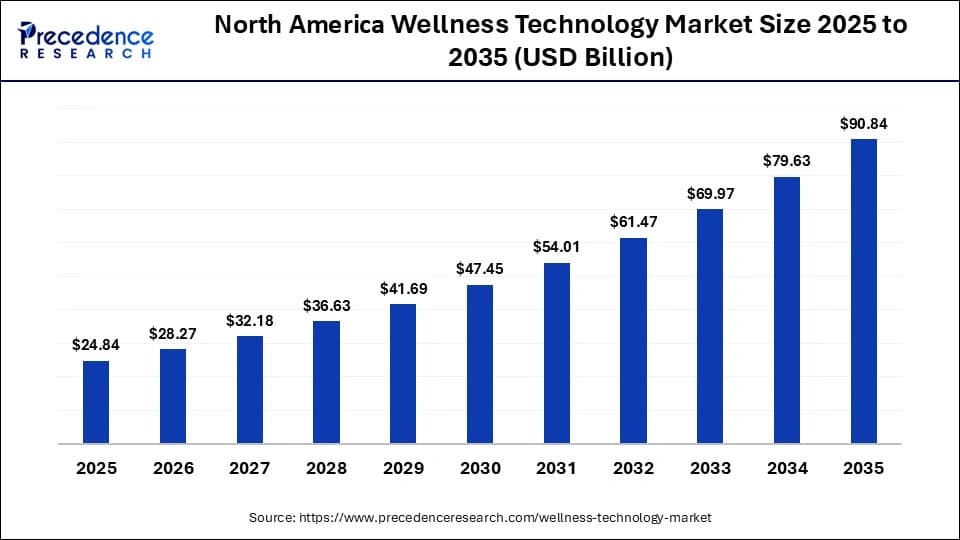
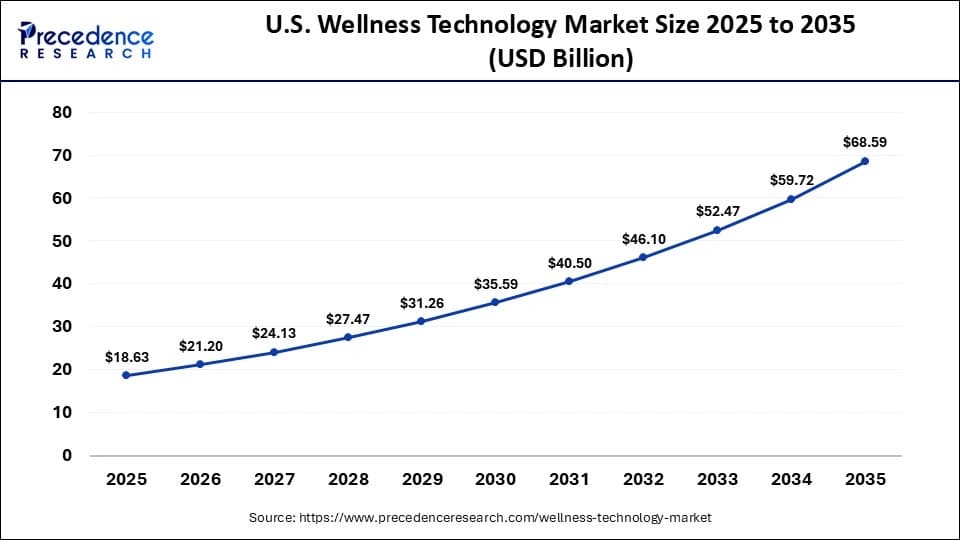
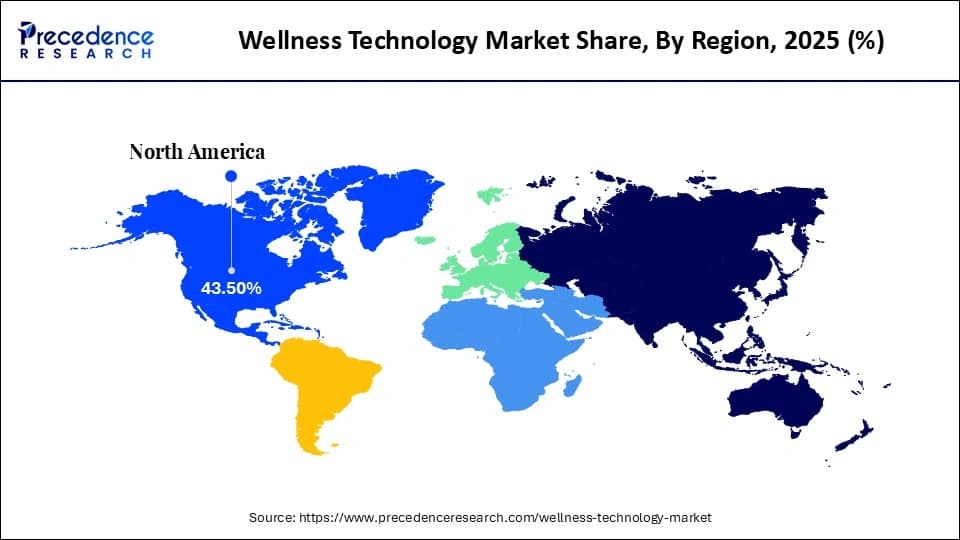
But look closer at the regional breakdown. North America dominates, which should raise immediate flags. Why? Because the infrastructure for data monetization and the consumer appetite for premium subscription models are most mature here. This isn't purely a humanitarian quest for better health; it's a sophisticated B2B data play wrapped in the comforting veneer of self-improvement.
The Why It Matters: The Data Trade-Off and the Rise of the Quantified Self-Class
The real story isn't the valuation; it's the division it creates. As technology in healthcare matures, we are rapidly forming a 'Quantified Self-Class'—those who can afford continuous, high-fidelity data streams (think expensive smart rings, at-home blood testing kits, and premium AI coaching subscriptions) and those who cannot. This exacerbates existing health disparities, turning optimal wellness into a luxury good rather than a fundamental right.
Furthermore, who owns the data generated when your ring detects an anomaly? Not you. It’s the platform. We are feeding algorithms that will eventually dictate insurance premiums, employment suitability, and even lifestyle recommendations based on proprietary, often opaque, models. The convenience of knowing your VO2 max is directly proportional to the vulnerability of your personal biometric profile. This is the hidden cost of the wellness technology market expansion.
What Happens Next? The Great Consolidation and Regulatory Whiplash
My prediction is that the next five years will see a massive regulatory reckoning, followed by aggressive consolidation. Mid-tier wellness app companies will be absorbed by tech giants or major insurance conglomerates seeking to ingest the sheer volume of longitudinal health data. We will see the first major, high-profile class-action lawsuit stemming from biometric data misuse—perhaps involving an employer or insurer using proprietary sleep scores to deny coverage or promotion. This will force governments to rapidly adapt HIPAA-style regulations for consumer wearables, creating immediate friction that slows the market's momentum temporarily, but ultimately solidifies the dominance of the few players who can afford compliance.
The future of wellness tech isn't more apps; it's fewer, more powerful platforms that control the entire data lifecycle. Choose your tools wisely; you are not just buying a gadget, you are signing up for a long-term data contract.
Gallery


Frequently Asked Questions
What is the primary driver behind the massive projected growth in wellness technology?
The primary driver is the consumer shift from reactive sick-care to proactive self-management, fueled by a desire for quantified data regarding longevity, fitness, and stress levels.
Is the wellness technology market currently dominated by any specific region?
Yes, North America currently holds the largest market share due to high consumer spending power, established data monetization infrastructure, and advanced digital health adoption.
What are the biggest risks associated with using consumer wellness wearables?
The biggest risks involve data privacy, as the data collected is often owned by the platform, potentially leading to future issues with insurance underwriting or employment screening.
What does the 'Quantified Self-Class' refer to in this context?
It refers to the socio-economic division created where only those who can afford continuous, high-fidelity biometric monitoring and premium AI analysis can access the highest tiers of optimized health.

DailyWorld Editorial
AI-Assisted, Human-Reviewed
Reviewed By
DailyWorld Editorial