Shenzhen's Secret: Why the 'Tech Hub' Narrative Hides China's Real Global Ambition

Forget the glossy PR. Shenzhen's real story isn't innovation; it's the blueprint for total technological sovereignty. Analyze the cost.
Key Takeaways
- •Shenzhen’s primary function is achieving state-directed technological sovereignty, not organic innovation.
- •The city’s speed suffocates slower, riskier forms of disruptive R&D.
- •Expect a rapid global bifurcation of supply chains based on geopolitical alignment.
- •Shenzhen excels at execution and optimization, potentially hitting an innovation ceiling for true paradigm shifts.
The Myth of the 'Innovation Playground'
When you hear 'Shenzhen,' you picture a gleaming metropolis—a veritable Silicon Valley of the East. That’s the carefully curated narrative pushed by PR wires like the one touting its 'Technology, Innovation, and Culture.' But let’s strip away the veneer. The **Shenzhen technology** boom isn't an organic cultural phenomenon; it's a state-directed, hyper-accelerated industrial policy masquerading as entrepreneurship. The unspoken truth is that Shenzhen is less a playground and more a hyper-efficient factory floor designed to achieve one critical goal: **technological sovereignty**. We are obsessed with the flashy IPOs and the next foldable phone, missing the systemic shift. This city is the global epicenter for rapid prototyping and scaling hardware, yes, but its primary function now is decoupling from Western choke points. Every drone, every battery, every chip assembly line operating at peak efficiency is a strategic asset designed to insulate the domestic market and dominate future supply chains. This isn't just about making things cheaper; it’s about controlling the *means* of future production.The Losers in the Shenzhen Equation
Who loses when Shenzhen wins this race? Not just legacy manufacturing centers in the West, but the very concept of decentralized, artisanal innovation. The cost of entry into this ecosystem is now so high—in terms of regulatory alignment and speed requirements—that genuine, slow-burn R&D often gets suffocated. Furthermore, while the city boasts culture, its primary cultural output is relentless efficiency. Dissent, friction, and the messy process of true paradigm-shifting invention are often optimized out of the system. The real cultural casualty is intellectual diversity in manufacturing. Read about the concept of 'dual circulation' to understand this strategic pivot: Reuters analysis on China's strategy.Contrarian Take: The Innovation Ceiling
Everyone talks about Shenzhen’s speed. I argue that this speed creates an innovation ceiling. True, groundbreaking innovation often requires failure, iteration without immediate commercial pressure, and a degree of intellectual freedom that Silicon Valley, despite its flaws, still harbors more readily. Shenzhen excels at *execution* and *optimization* of existing paradigms (5G, EV batteries). But is it creating the *next* paradigm? The evidence remains thin. They are mastering the current game; the question is whether they are equipped to invent the successor game without importing foundational breakthroughs from elsewhere.What Happens Next? The Global Tech Bifurcation
Expect Shenzhen’s model to become the global standard for state-backed industrial hubs. We are moving rapidly toward a world where **global supply chains** are not just diversified, but actively bifurcated along geopolitical lines. Shenzhen will solidify its lead in consumer electronics and mass-market AI hardware, accelerating the obsolescence of older industrial models globally. Prediction: Within five years, any nation attempting to build a significant domestic hardware capacity will be forced to adopt a Shenzhen-style, government-incentivized, hyper-speed model, or concede the market entirely. This isn't sustainable competition; it’s a technological arms race where the factory floor is the battlefield. The sheer scale of investment is documented by major economic bodies, see Brookings Institution analysis. The narrative of 'exploring Shenzhen' should shift from tourism to industrial espionage. It is the clearest window we have into the future of state-directed capitalism dominating the hardware layer of the digital age. The future of **Chinese technology** is being forged here, not in academic labs, but on the production line.Gallery

Frequently Asked Questions
What is the main difference between Shenzhen's tech ecosystem and Silicon Valley's?
Shenzhen is characterized by state-directed capital, hyper-speed hardware iteration, and supply chain density, focusing on execution. Silicon Valley traditionally relies more on venture capital, decentralized risk-taking, and software/platform innovation, though this is rapidly changing.
What does 'technological sovereignty' mean in the context of Shenzhen?
It means achieving complete self-sufficiency in critical technologies—semiconductors, AI, telecommunications hardware—to minimize vulnerability to international sanctions or export controls, as detailed in China's strategic economic plans.
Is Shenzhen truly a cultural hub, or is that just marketing?
While it has growing cultural elements, the dominant 'culture' within the tech sector is one of intense, relentless efficiency and rapid commercialization, often prioritizing speed over other societal considerations.
How does Shenzhen influence global hardware pricing?
By mastering rapid scaling and efficiency, Shenzhen sets the global benchmark for hardware production costs, forcing competitors worldwide to either match those efficiencies or exit the mass-market manufacturing space.
Related News

The Hidden Cost of Kano's Tech Boom: Why 'Innovation' in Africa is Often Just Digital Colonialism
Forget the glossy press releases. The true impact of science and tech initiatives in Kano reveals a deeper geopolitical struggle over digital sovereignty.
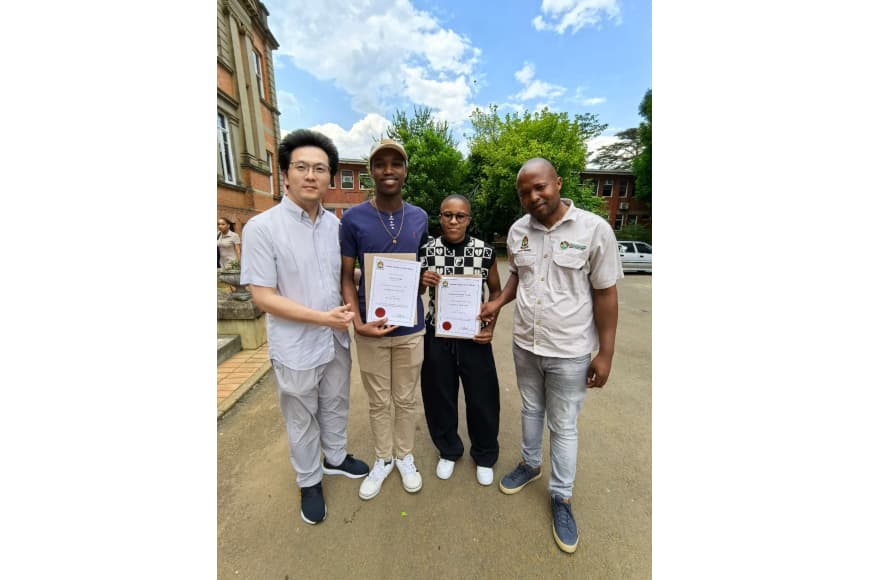
The Hidden Cost of China's Mushroom Diplomacy: Who Really Profits From African Agri-Tech Training?
Beneath the surface of mushroom training lies a geopolitical play. Unpacking the true winners and losers in this 'Juncao Technology' agricultural push.
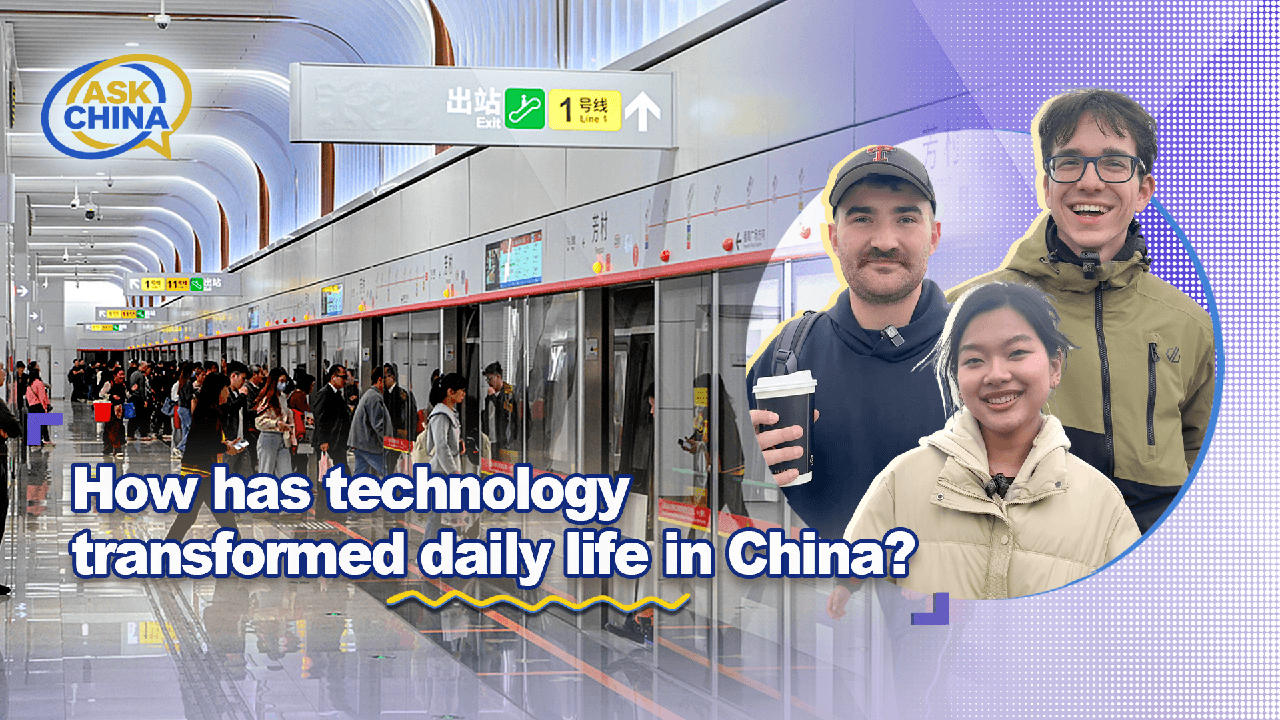
China's Digital Cage: The Hidden Cost of 'Convenience' in the World's Largest Tech Lab
Unpacking the true price of China's hyper-digitized daily life: convenience for the state, compliance for the citizen.
