Rome's Hidden Filth: The Ancient Sewer Secret Exposing Modern Public Health Failures
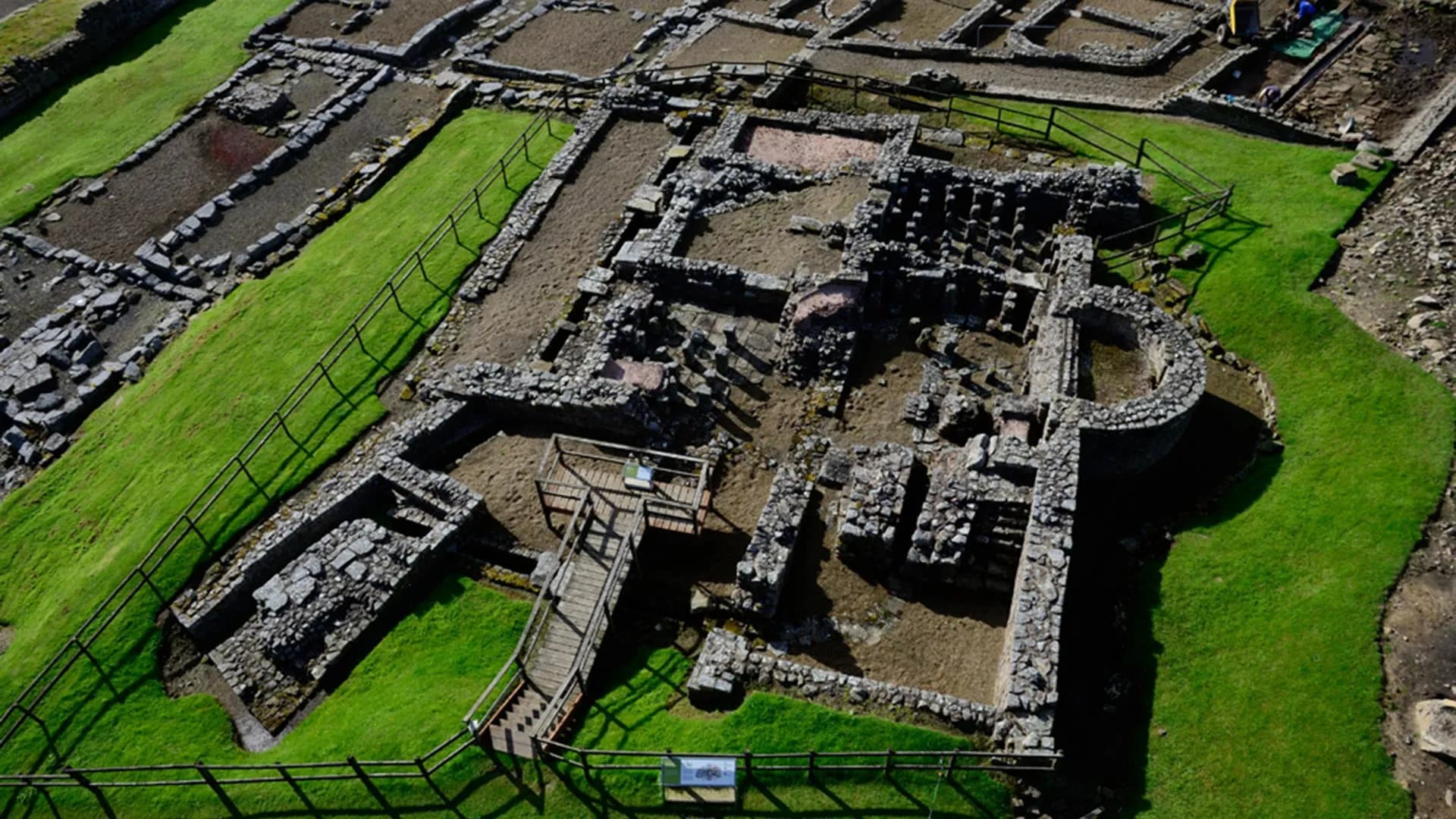
The shocking truth buried in Roman Britain's sewers reveals a hidden health crisis far older than you think.
Key Takeaways
- •Analysis of Roman sewers reveals chronic parasitic infection, contrary to the myth of flawless Roman hygiene.
- •Infrastructure like sewers was a mechanism of imperial control and urban stability.
- •Modern cities face analogous risks due to aging systems under increasing population stress.
- •The true cost of sanitation failure is often only recognized after a major public health event.
We look back at the Roman Empire with nostalgic gloss, admiring their roads and aqueducts. But what about the plumbing they didn't want us to see? New analysis of cesspits and ancient sewers from Roman Britain—like those at Vindolanda—doesn't just show us history; it screams a warning about public health infrastructure today. Forget the pristine marble baths; the real story is in the waste.
The Unspoken Truth: Infrastructure as Control
The recent discovery concerning the parasitic load found in these ancient latrines is being framed as a simple historical footnote: Romans got sick. This misses the point entirely. The true revelation is about **urban sanitation** as a tool of imperial control and cultural imposition. The Romans didn't bring advanced sanitation because they were benevolent; they brought it because centralized waste management is essential for dense, stable urban centers—the bedrock of their economy and military presence. The winners were the administrators and the wealthy elite who benefited from organized cities. The losers were the indigenous populations whose traditional, dispersed waste disposal methods were suddenly deemed 'unclean' or inefficient.
The parasite evidence proves that despite impressive engineering, Roman urban density led to concentrated disease vectors. They solved one problem (water supply) by creating another (concentrated effluent). This is a classic case of technological optimism masking systemic failure. The concentration of pathogens—the very essence of historical epidemiology—didn't vanish when the empire fell; it simply dispersed, often leading to worse outbreaks in the subsequent centuries.
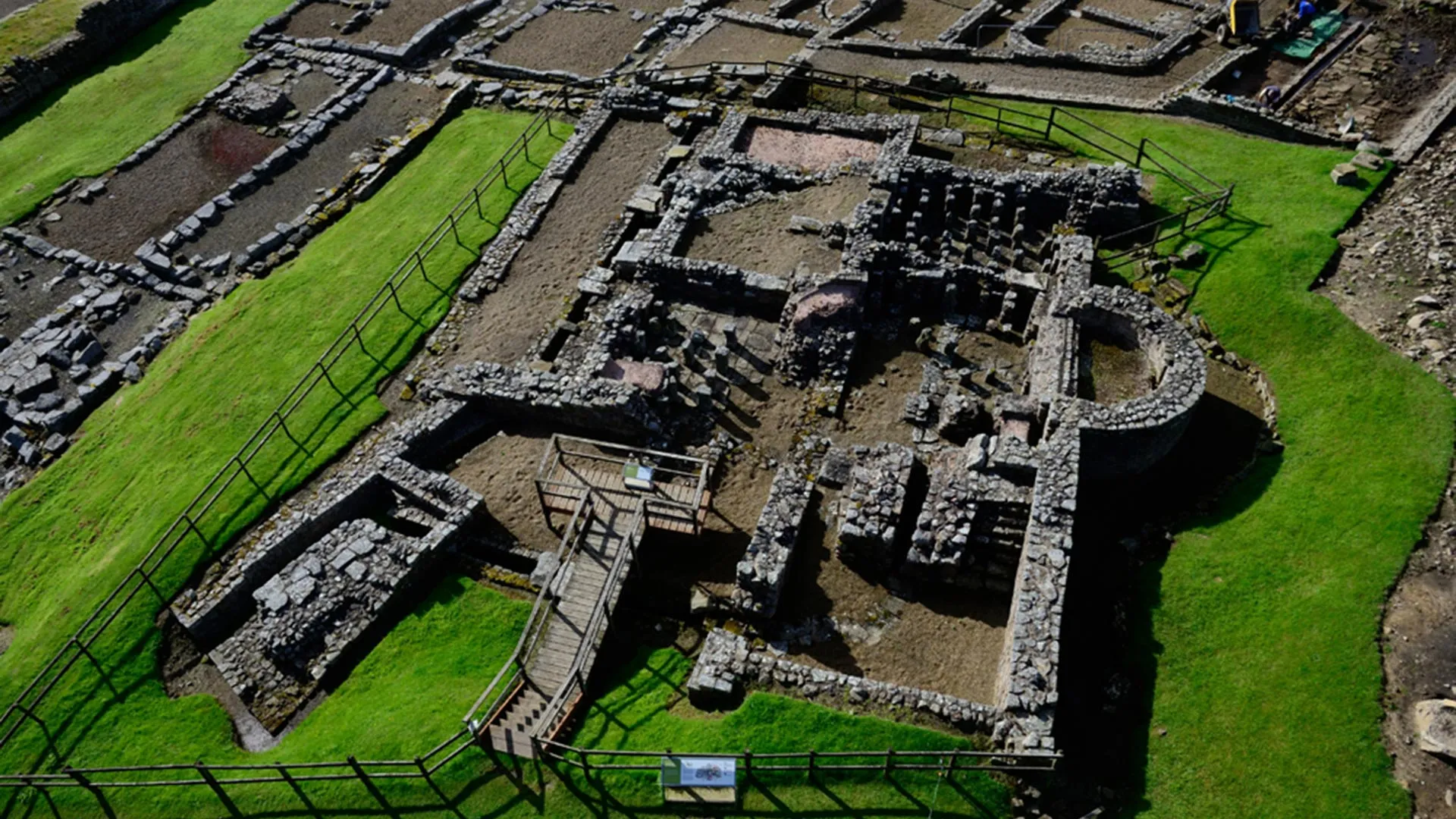
The Deep Dive: Why Ancient Filth Matters Now
Why should a 1,800-year-old toilet concern you? Because the fundamental challenge of modern public health remains the same: managing concentrated human waste in high-density areas. We have vastly superior technology, yet aging infrastructure in major global cities faces mounting pressure from population growth and climate change. When we see evidence of widespread parasitic infection in Roman settlements, we are seeing the inevitable byproduct of urbanization without perfect containment. This archaeological data serves as a stark, tangible reminder of how fragile our modern **urban sanitation** systems truly are.
Contrarily, many celebrating this finding focus only on the Romans’ “advancement.” They ignore the fact that the sheer volume of human waste meant these cities were essentially biological time bombs waiting for a breakdown in the system. Look at any modern metropolis facing water main breaks or aging sewer lines; the ghost of Roman Britain is whispering: *It can happen again.*
What Happens Next? The Prediction
The next phase of this research won't be about finding more parasites; it will be about modeling the economic cost of sanitation failure throughout history. I predict that within five years, major metropolitan areas in the West will see a significant, politically charged spike in waterborne or sewage-related illnesses directly attributable to neglected infrastructure maintenance, mirroring the localized crises that destabilized Roman settlements. This will force a massive, unpopular reallocation of funds away from shiny new projects and back into the subterranean darkness. The political will to fund the 'boring' infrastructure—the pipes and drains—will only arrive after a visible, headline-grabbing health disaster.
Key Takeaways (TL;DR)
- Roman sanitation was a tool of centralization, not just hygiene.
- High urban density, even with Roman engineering, led to severe, concentrated disease burdens.
- The findings serve as a direct warning about the fragility of modern **urban sanitation** systems.
- We are likely underestimating the imminent risk posed by aging infrastructure in our own cities.
Frequently Asked Questions
What specific health issues did the ancient Roman sewers reveal?
The analysis primarily uncovered high levels of parasitic worm eggs, such as whipworm and roundworm, indicating widespread fecal contamination and chronic infection among the urban population.
How does ancient Roman sanitation compare to modern urban sanitation?
While the Romans pioneered large-scale public latrines and sewers, their systems lacked modern water treatment and separation of sewage from drinking water sources, leading to persistent contamination issues that our modern, though often aging, systems are designed to prevent.
What is the primary political lesson from this historical health crisis?
The lesson is that maintaining hidden, essential infrastructure—like sewers—is politically unpopular but absolutely critical for preventing large-scale public health collapse in dense populations.
Were all Roman settlements equally affected by these health issues?
No, the impact was most severe in densely populated military forts and large urban centers where waste disposal was centralized and overwhelmed, contrasting with more dispersed rural areas.

DailyWorld Editorial
AI-Assisted, Human-Reviewed
Reviewed By
DailyWorld Editorial