Nobel Laureate Olga Tokarczuk Exposes the Hidden Cost of 'Visionary Science Fiction'

Why Olga Tokarczuk champions visionary science fiction isn't about escapism; it's a desperate plea for societal course correction.
Key Takeaways
- •Tokarczuk uses science fiction advocacy to issue a covert critique of current societal trajectories.
- •The genre is being repositioned from 'entertainment' to 'essential risk assessment' literature.
- •A major institutional shift towards integrating narrative foresight into policy is inevitable.
- •The hidden value is in understanding the complex systems science fiction warns against.
The Unspoken Truth: SF Isn't Prediction, It's Accusation
When Nobel Prize winner **Olga Tokarczuk** publicly endorses visionary science fiction, the mainstream media treats it as a quaint literary footnote—a beloved author sharing her reading list. This is dangerously naive. The real story, the one nobody is discussing, is that Tokarczuk isn't celebrating escapism; she is issuing an **urgent indictment** of our present reality. Her recommendation of speculative fiction—works that often detail societal collapse, ecological disaster, or technological dystopia—is less a book review and more a political manifesto disguised as literary taste. The unspoken truth is that for thinkers like Tokarczuk, the genre isn't about 'what if aliens arrive,' but 'what if we continue down this exact path?'
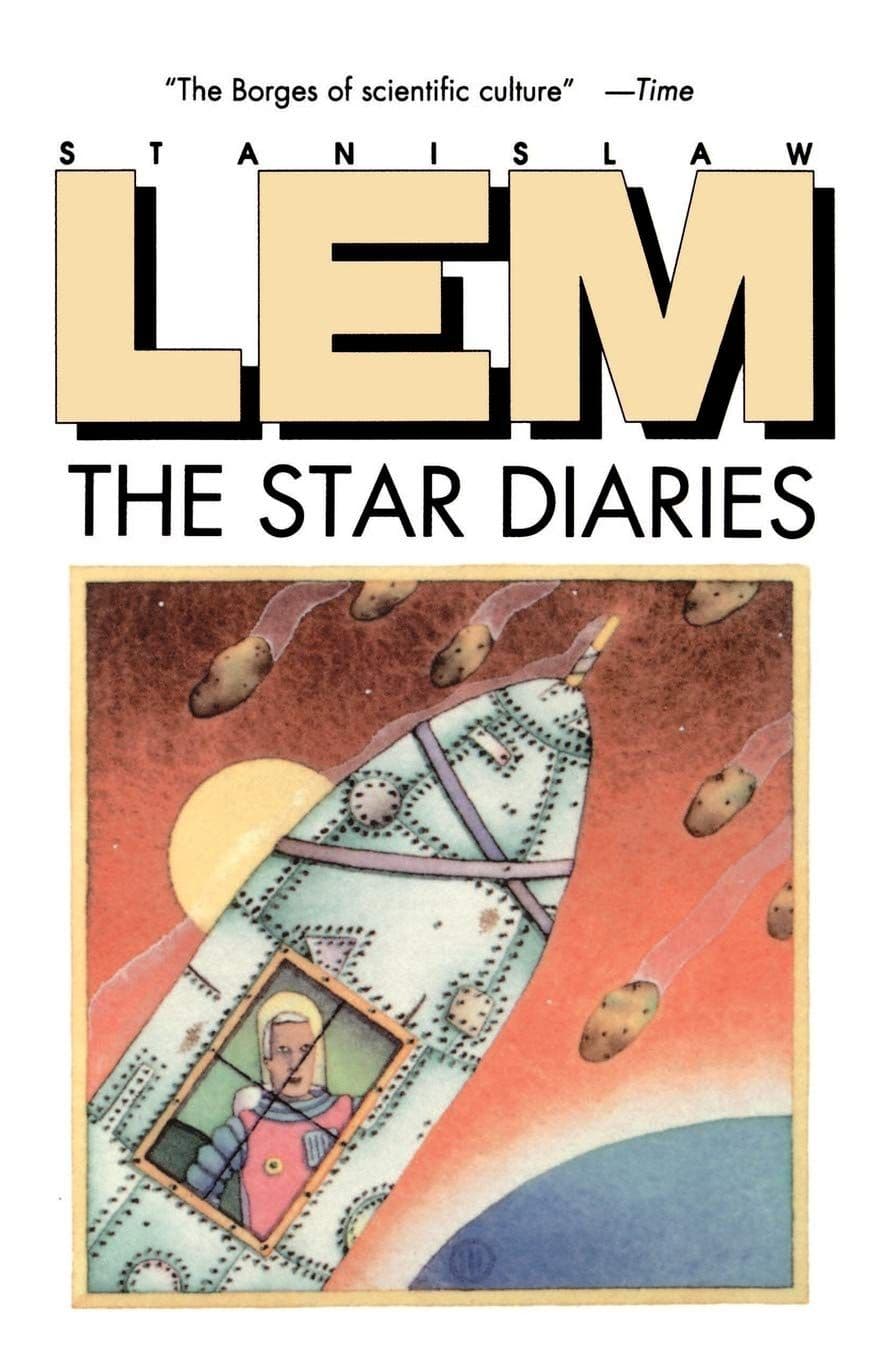
We are obsessed with the surface-level narrative of science fiction, missing the critical function it serves. It acts as a pressurized warning valve for cultural anxieties that are too inconvenient or too terrifying to address directly. Tokarczuk, a writer deeply concerned with ecology and history, understands that the most potent science fiction—think Le Guin or Lem—forces us to confront the inevitable failure modes of current economic and political structures. This isn't light reading; it’s intellectual triage. The winners here are those who pay attention to these fictional warnings; the losers are the complacent masses who dismiss them as mere genre tropes.
Deep Dive: The Death of the Present Tense
Why is this relevant now? Because our current moment suffers from an acute **presentism**—the inability to imagine a future beyond the next quarterly report or election cycle. Tokarczuk’s advocacy for visionary science fiction is a direct countermeasure to this intellectual short-circuiting. It demands we engage with deep time and complex systems. Consider the current state of **climate science**; the most accurate models look precisely like the bleak futures depicted in classic dystopian literature. When a major literary figure validates these visions, she is implicitly validating the underlying scientific and sociological warnings embedded within them. This elevates the entire discussion around science and literature beyond simple entertainment.
The real power of this literary endorsement lies in its ability to reframe the conversation around speculative fiction. It forces the literary establishment to treat these narratives not as pulp, but as essential socio-political commentary. This is a vital shift in cultural capital. We must stop viewing science fiction as a niche interest and start recognizing it as the primary language through which complex futures are being negotiated. (For background on the societal impact of speculative narratives, see the critical analysis found on the [Wikipedia entry for Science Fiction](https://en.wikipedia.org/wiki/Science_fiction)).
Where Do We Go From Here? The Prediction
Expect a significant, albeit slow, institutional pivot. Within the next five years, major universities and grant organizations will begin heavily funding academic programs dedicated to analyzing SF as a serious tool for **future planning** and risk mitigation, not just literary study. This isn't just about reading more Ursula K. Le Guin; it’s about integrating narrative foresight into corporate and governmental strategy. The contrarian prediction? The next major global policy shift will be explicitly framed using language borrowed from a critically acclaimed, yet currently marginalized, science fiction novel. The elite will use the language of fiction to sell necessary, painful changes to the public.
The Hidden Agenda: Who Benefits?
The beneficiaries are the intellectual gatekeepers who can correctly interpret these narratives. They gain the vocabulary to critique power structures that are currently too complex for soundbites. The losers are the corporate media, whose reliance on simple, immediate narratives is exposed as inadequate for tackling systemic, long-term threats. Tokarczuk is effectively handing the sophisticated reader the decoder ring for the age of complexity. (See how serious institutions approach long-term risk assessment via [The Bulletin of the Atomic Scientists](https://thebulletin.org/)).
Key Takeaways (TL;DR)
- Tokarczuk's praise for SF is a critique of current societal direction, not mere literary taste.
- Visionary science fiction serves as a necessary warning system against predictable systemic failures.
- Expect academic and institutional focus to shift, treating SF as a tool for **future planning**.
- The genre’s intellectual currency is about to rise dramatically, challenging conventional narrative structures.
Gallery



Frequently Asked Questions
What is the main difference between science fiction and visionary science fiction?
Visionary science fiction, often championed by literary figures, focuses less on technological extrapolation and more on the profound social, ethical, and ecological consequences of scientific or societal shifts, aiming for deep philosophical insight.
Why is Olga Tokarczuk's recommendation considered significant?
As a Nobel laureate, her endorsement elevates the genre from niche entertainment to serious commentary, suggesting that the warnings contained within speculative narratives must be taken as seriously as hard scientific data.
How does this relate to current climate discussions?
Many visionary science fiction narratives depict futures ravaged by ecological collapse. Tokarczuk’s support implies that these fictional scenarios are increasingly relevant models for understanding the potential outcomes of current inaction regarding climate science.
Related News

The Lie of Early Success: Why Your Brain Is Still Under Construction at 35
New science confirms what late bloomers always suspected: **adult brain development** extends into your 30s, shattering decades of career myths.

Forget Chemistry: The Cold, Hard Truth About Who You Actually 'Fall' For (It's Not Love)
The science of attraction reveals dating apps exploit deep biological drives. Discover the hidden agenda behind your 'perfect match.'

The Hidden War Over Life Itself: Is Biology Broken, Or Just Too Smart for Us?
The debate over 'bad design vs. ultimate engineering' in biology isn't academic; it's a proxy war for the future of scientific funding and philosophical control.
