Max Cavalera Missed The Point: Why AI Will Be Metal’s Executioner, Not Its Co-Pilot

Legend Max Cavalera hopes for AI coexistence, but the harsh truth about **music technology** and **digital art** is that the industry's giants are already sacrificing human creativity for efficiency.
Key Takeaways
- •Cavalera's hope for AI 'coexistence' ignores the economic incentive for replacement among platform owners.
- •The immediate losers are not superstars, but mid-tier session musicians and visual artists who rely on reproducible creative work.
- •The future will split into two markets: AI-driven corporate content and high-value, verifiable human 'authenticity'.
- •The true battle for musicians is not about using AI, but about maintaining control over the means of creation against automated systems.
The Unspoken Truth: Coexistence is a Myth, Replacement is the Goal
When metal titan Max Cavalera expresses a hope that we can simply "coexist" with Artificial Intelligence, it reads less like philosophical insight and more like wishful thinking from the edge of a cliff. The current conversation around **AI technology** in music—and specifically within the heavy music scene—is riddled with pleasantries masking a brutal economic reality. Cavalera’s sentiment, shared in a recent interview, suggests a belief that human artistry will find a comfortable niche alongside generative models. This is fundamentally flawed.
The real story isn't about AI writing a passable riff; it's about who controls the means of production for future culture. While Cavalera and his peers are debating coexistence, the venture capitalists funding these **AI models** see only one thing: scalability without residuals. Why pay a veteran producer, a session drummer, or a graphic designer hundreds of thousands of dollars when a subscription service can generate infinite, royalty-free assets?
The Economic Decapitation of the Mid-Tier Artist
The industry narrative frames AI as a tool for enhancement—a faster way to demo a track or generate album art. This is the Trojan Horse. The immediate casualties are not the arena headliners like Cavalera, whose brand equity is untouchable. The true victims are the working-class musicians: the sound engineers, the cover artists, the jingle writers, and the countless mid-tier bands who rely on predictable session work. For them, coexistence means being forced to compete against a platform that doesn't sleep, doesn't demand fair wages, and can mimic their entire stylistic output in minutes.
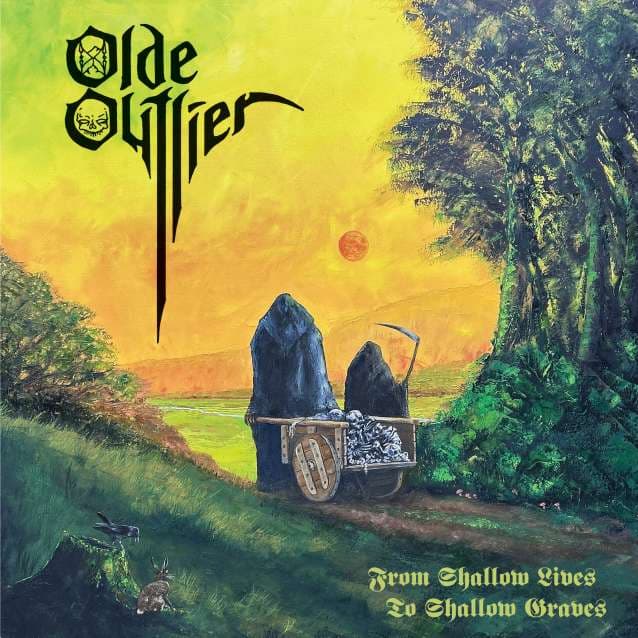
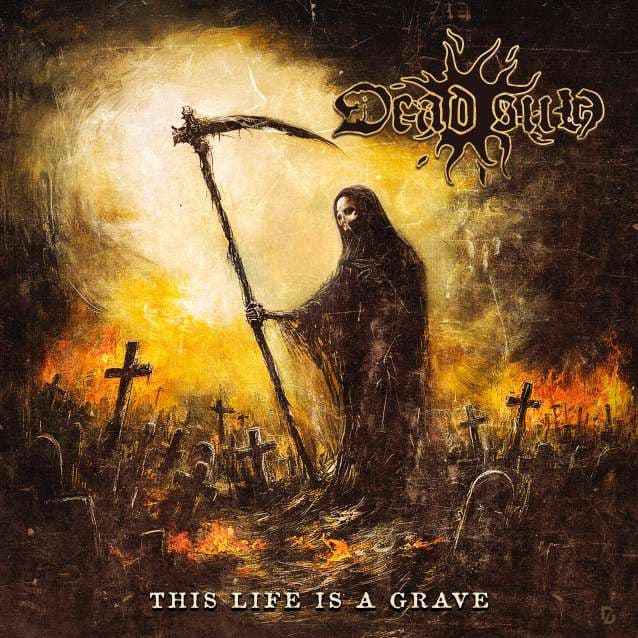
Consider the visual arts, a sector already rocked by generative AI. Album covers, tour posters, and merchandise designs—once reliable income streams for niche artists—are now being outsourced to prompts. Cavalera hopes for symbiosis; the tech industry is engineering obsolescence. The underlying power shift is away from the creator and toward the platform owner, a dynamic perfectly illustrated by the ongoing debates surrounding copyright law and **digital art** ownership. We must look beyond the surface-level acceptance of new tools and interrogate the financial infrastructure being built beneath them.
Where Do We Go From Here? The Bold Prediction
The next five years will not see a harmonious blend of human and machine in music creation. Instead, we will witness a sharp cultural bifurcation. On one side, you will have the corporate, streaming-optimized 'Content Engine'—music and visuals designed by AI for maximum algorithmic engagement, flooding the market with cheap, effective noise. On the other, you will see a fierce, almost Luddite resurgence of 'Authentic Human Performance.'
My prediction: The value of *verifiable human origin* will skyrocket. Bands that refuse digital enhancement, that emphasize raw, unedited live performance, and that openly reject generative tools will command a premium price for tickets and physical media. The scarcity of genuine, non-AI-assisted creativity will become the ultimate luxury good. The market will reject the infinite flood of synthetic mediocrity by desperately seeking the finite, flawed beauty of the human touch. Max Cavalera’s hope won't be realized through acceptance, but through aggressive, intentional rejection of the synthetic mainstream.
Gallery




Frequently Asked Questions
What is the main concern metal musicians have regarding AI technology?
The primary concern is economic displacement. If AI can generate high-quality music, sound engineering, or visual assets cheaply and instantly, it devalues the labor of human musicians and artists, threatening their livelihoods.
How does the music industry currently view AI adoption?
The industry is split. Major labels are exploring AI for efficiency in mastering and content generation, while many established artists express caution or outright opposition, fearing loss of artistic control and copyright issues.
Will AI replace human songwriters entirely?
While AI can mimic styles effectively, most analysts predict it will struggle to replace the unique cultural resonance and emotional depth of human songwriting tied to lived experience. However, it will likely dominate the low-to-mid-tier commercial music market.
What is 'verifiable human origin' in the context of future music?
'Verifiable human origin' refers to music and art proven to be created solely by human effort, without significant generative AI input. This scarcity is predicted to become a premium selling point.
Related News

The Digital Maestro Myth: Why Tech Is Killing Real Music Education (And Who’s Profiting)
ModernTone Studios claims to revolutionize music education with technology. But beneath the surface, this 'tech disruption' threatens true mastery and centralizes power.

The Silent Coup: How Sports Tech Is Weaponizing Sound to Monetize the Deaf Experience
The push for 'immersive sound' for deaf fans isn't just inclusion; it’s a new frontier in **sports technology** data capture and audience segmentation.

The Dating Algorithm is a Lie: Why 'Science of Attraction' Actually Benefits Silicon Valley, Not Your Love Life
Unpacking the hidden agenda behind the supposed 'science of attraction' and why your search for true love is being commodified.

DailyWorld Editorial
AI-Assisted, Human-Reviewed
Reviewed By
DailyWorld Editorial