Forget Pills: The Unspoken Social Cure Driving the Next Public Health Revolution
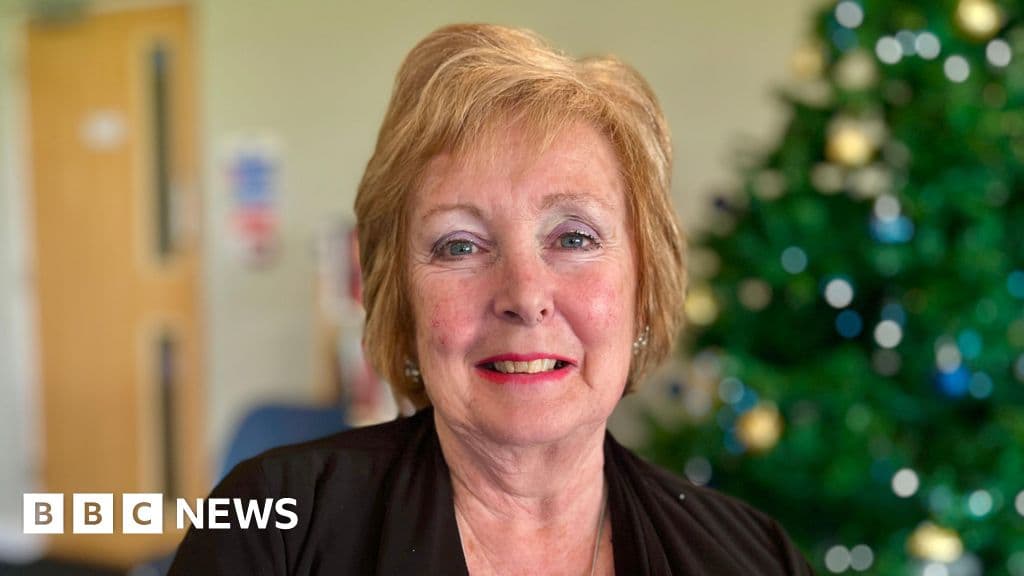
Why a simple singalong in Suffolk signals a massive shift in public health funding away from pharma and towards community.
Key Takeaways
- •Community singing is emerging as a cost-effective, scalable alternative to purely pharmaceutical treatment for respiratory health.
- •The shift represents a fundamental reallocation of public health spending away from high-cost drugs toward proven social infrastructure.
- •The psychological benefits of group singing (oxytocin release, stress reduction) are as critical as the mechanical breathing exercises.
- •Expect formal certification and funding for 'Vocal Facilitators' within the next five years.
The Hidden Cost of Silence: Why Your Lungs Need a Choir, Not Just a Cough Syrup
The recent news out of Suffolk about a community singalong boosting lung health and raising funds sounds quaint, almost sentimental. But peel back the veneer of feel-good local reporting, and you find a seismic shift in public health strategy. We are witnessing the slow, inevitable collapse of the purely pharmaceutical model for wellness. This isn't just about a nice afternoon of harmony; it’s about recognizing that the most effective, scalable, and affordable medicine available today is **social connection**.
The core issue nobody is discussing is the sheer economic unsustainability of treating chronic respiratory conditions solely with medication. Governments and insurance companies are drowning in the cost of chronic care. When a simple, recurring activity like group singing demonstrably improves forced expiratory volume (FEV1) and mental well-being—as studies on choral therapy suggest—it becomes an unavoidable economic imperative.
The Unspoken Agenda: Community as Infrastructure
Who truly wins here? Not Big Pharma, whose patented inhalers suddenly face competition from a £5 ticket and a willingness to belt out an old tune. The winners are local councils and public health bodies realizing they can offload the burden of preventative care onto hyper-local, volunteer-led initiatives. This Suffolk event is a pilot program, whether they admit it or not, for the future of preventative health and wellness infrastructure.
The contrarian view is that this trend devalues clinical science. That's lazy thinking. It doesn't devalue science; it reallocates resources. We need clinical validation for these low-cost interventions so they can be mandated and funded, turning community centers into de facto pulmonary rehabilitation units. The hidden agenda is resource allocation: shifting millions from expensive, marginal drug improvements to proven, zero-marginal-cost social engagement.
Deep Dive: The Biomechanics of Belonging
Singing is far more than breathing deeply. It forces diaphragmatic control, synchronizes autonomic nervous system responses, and crucially, releases oxytocin—the bonding hormone. This cocktail directly counters the inflammation and stress that exacerbate conditions like COPD. While medical journals focus on novel biologics, the long-term, sustainable reduction in exacerbations comes from reducing systemic stress. Group singing is a powerful, non-pharmacological stress modulator. It’s community resilience weaponized against chronic disease. For more on the established links between social ties and longevity, see research from institutions like Harvard’s long-running study on adult development, which consistently points to relationships over wealth or fame as the key determinant of a good life.
What Happens Next? The Mandate for Melodies
My prediction is that within five years, 'Social Prescribing'—where GPs formally refer patients to non-clinical activities—will heavily feature structured, evidence-based vocal programs. We will see the emergence of certified 'Community Vocal Facilitators' paid by local health trusts, not just volunteers. Insurance companies will begin offering premium rebates for documented participation in recognized singing or group physical activity programs. The battle for effective public health won't be fought in the lab anymore; it will be fought in the village hall.
The era of passive patient consumption is ending. The future demands active, communal participation in one's own longevity.
Gallery





Frequently Asked Questions
Is singing genuinely effective for serious lung conditions like COPD?
While not a replacement for prescribed medical treatment, evidence strongly suggests that structured group singing improves lung capacity, breath control, and significantly boosts the quality of life and reduces anxiety associated with chronic respiratory illnesses.
What is 'Social Prescribing' in healthcare?
Social Prescribing is a process where healthcare professionals refer patients to local, non-clinical services—like arts groups, physical activities, or debt advice—to address the wider social determinants of their health, rather than just prescribing medication.
Why are health authorities suddenly focusing on community activities?
The primary driver is economic unsustainability. Treating chronic diseases through medication is becoming prohibitively expensive. Low-cost, high-impact preventative measures like group singing offer a significant return on investment for public health budgets.
What are the long-term economic implications of this trend?
If proven scalable, this trend signals a major disruption to the pharmaceutical sector's dominance in chronic care management, forcing a pivot toward holistic, community-based wellness models funded by state or local health systems.
Related News

The Hidden Cost of Local Healthcare Consolidation: Why Niagara Health’s ‘Progress’ is a Trojan Horse
Investigating Niagara Health's restructuring reveals a dangerous trend in regional healthcare consolidation that taxpayers aren't seeing.

Libya’s ‘Clean Bill of Health’: The Forgotten Disease Victory That Hides a Deeper Crisis
The WHO validated Libya's elimination of trachoma, but this public health win masks ongoing institutional fragility and the real cost of 'neglected tropical diseases.'
The Hidden Cost of University 'Wellness': Why USU's Mental Health Push Isn't About You
The expansion of USU's Sorenson Center mental health services reveals a deeper crisis in Northern Utah's **public health infrastructure**.
