BMW's Slow Rollout of Self-Driving Isn't Caution—It's a Calculated Bet Against Google and Tesla
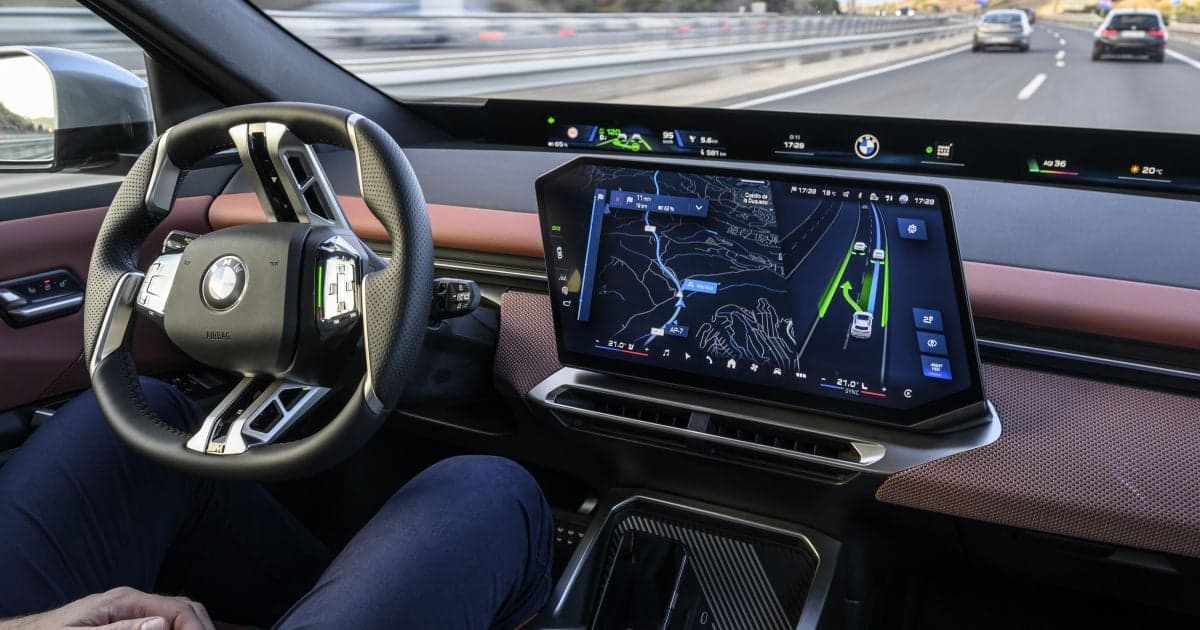
BMW is deliberately slowing autonomous driving deployment. This isn't just safety; it's a high-stakes legal and market strategy against tech giants.
Key Takeaways
- •BMW’s slow rollout is a calculated legal strategy to avoid massive liability associated with imperfect Level 3 autonomy.
- •They are allowing tech giants like Tesla to absorb the initial regulatory and public relations risks of rapid iteration.
- •The premium segment values driving engagement; BMW is protecting the driving experience while perfecting assistance tech.
- •Expect regulatory bodies to force a clear split between L2 and L4/L5 soon, favoring BMW’s structured approach.
The Unspoken Truth: Why BMW is Hitting the Brakes on Full Autonomy
The narrative surrounding autonomous driving technology is saturated with hype—Tesla’s relentless FSD progress, Waymo’s urban dominance. Yet, BMW, a titan of automotive engineering, is publicly signaling restraint. They won't rush. Most outlets frame this as prudent caution, a necessary evil in the complex world of AI safety. This is soft news. The real story about BMW’s measured approach to Level 3 driving is a cold, calculated economic maneuver aimed squarely at Google's Waymo and Elon Musk’s timeline.
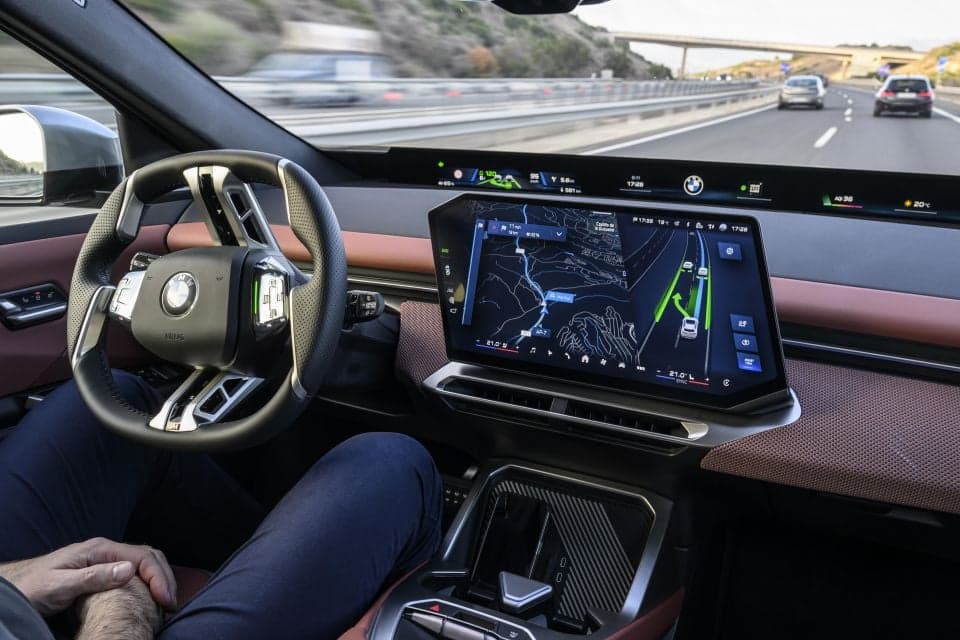
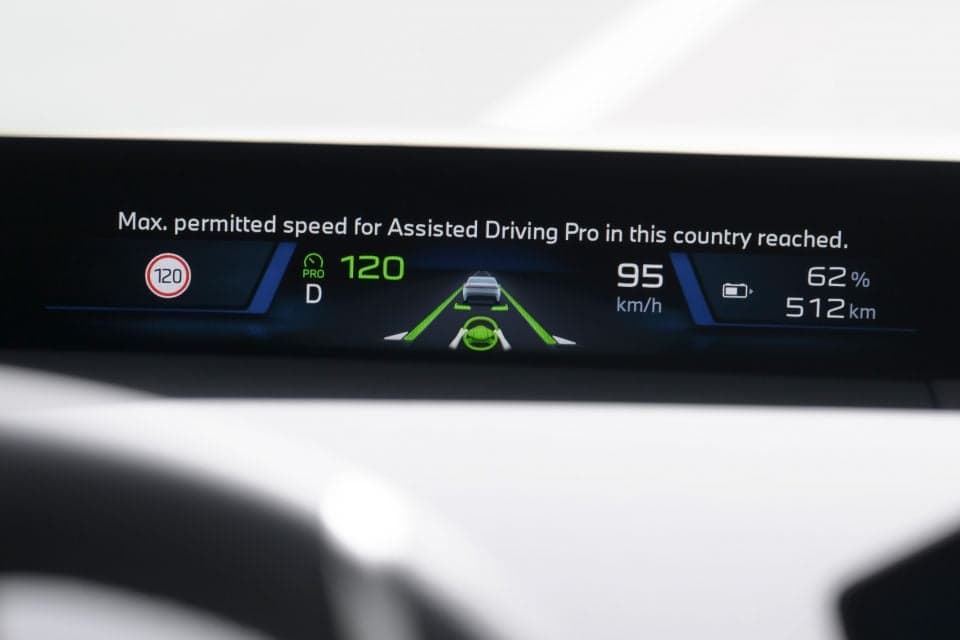
The secret sauce isn't the software; it's the liability shield. Every extra mile driven by a system requiring driver takeover—even if rarely engaged—is a legal minefield. BMW understands that the true cost of self-driving cars isn't the LiDAR unit; it’s the inevitable class-action lawsuit when the system misinterprets a construction zone or a sudden downpour. By sticking to geographically constrained, highly mapped 'Motorway Assistant' systems (Level 2+/3 hybrid), BMW minimizes its exposure while perfecting the tech in a controlled environment. They are betting that the first company to achieve true, unqualified Level 4 autonomy across diverse geographies will face an existential legal reckoning.
The Liability Chasm: Who Pays When the Algorithm Fails?
The deep dive reveals a fundamental split in the industry. Tech companies like Alphabet’s Waymo treat the car as a platform, prioritizing rapid iteration and data acquisition. Traditional OEMs like BMW treat the car as a sovereign product where brand equity is paramount. When a Tesla crashes, the focus shifts to the owner's over-reliance. When a BMW crashes due to an autonomous fault, the damage to the Bavarian marque is exponentially higher. This isn't merely about technology; it’s about trust. German engineering prides itself on perfection, not 'beta testing on public roads.' This measured pace allows BMW to absorb regulatory scrutiny rather than inviting it.
Furthermore, this strategy keeps them relevant in the lucrative, high-margin premium segment. Fully autonomous Level 5 vehicles threaten the very essence of the luxury driving experience—the engagement. BMW knows its core customer base values the *act* of driving. By offering sophisticated driver assistance now, they maintain relevance, while allowing the tech giants to burn billions proving out the economically unviable, fully driverless taxi model first. They are letting the disruptors do the heavy, expensive lifting.
What Happens Next? The Regulatory Squeeze
My prediction is that within three years, we will see a sharp regulatory crackdown in major markets (EU/US) on 'conditional' autonomy (Level 3). Regulators, exhausted by inconsistent performance reports, will demand a clear demarcation: either full, certified L4/L5, or legally defined L2. This regulatory bottleneck will crush smaller startups and force Tesla to fundamentally re-engineer its FSD liability structure. BMW, having already established robust L3 frameworks in controlled zones, will pivot seamlessly to offer the next generation of certified L4 on specific, government-approved corridors. The slow-and-steady approach wins the regulatory race, not the speed race. This calculated delay is actually acceleration toward market stability.
BMW's decision to prioritize robust, geographically limited systems over universal, buggy software is a masterclass in risk management within the nascent field of autonomous driving technology. They are playing the long game, understanding that the legal framework surrounding self-driving cars is currently far more volatile than the silicon itself. For consumers, this means safer, more reliable (though less flashy) assistance systems today, and a higher chance that when true autonomy arrives, it will be backed by ironclad liability.
Gallery


Frequently Asked Questions
What is the difference between BMW's current system and full self-driving?
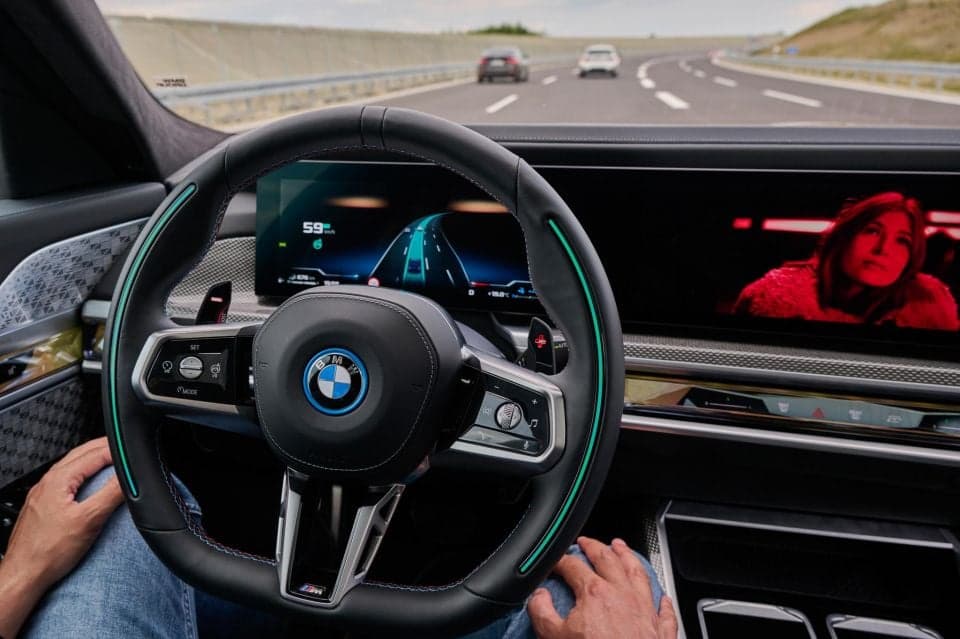
BMW currently offers advanced Level 2+ and limited Level 3 systems, such as the Motorway Assistant, which requires the driver to be ready to take over. True self-driving (Level 4/5) means the human driver is not required to monitor the road or intervene under specified conditions.
Why is liability such a big issue for autonomous driving technology?
Liability determines who pays when an autonomous vehicle causes an accident. If the system is Level 3, the manufacturer must prove the driver was negligent in taking over. This legal ambiguity is what BMW is trying to avoid until their systems are demonstrably foolproof or regulations clearly assign fault.
Will BMW eventually catch up to Tesla in autonomous features?
BMW is not necessarily aiming to 'catch up' on raw feature count, but rather on certified, legally sound deployment. They are focusing on high-value, low-risk environments (like highways) where their engineering pedigree can shine, rather than pursuing generalized city driving immediately.
What does 'Level 3 driving' mean in simple terms?
Level 3 means the car can drive itself under specific conditions (e.g., speeds under 40 mph in traffic jams on mapped highways), but the human driver must be ready to take control within seconds when prompted by the vehicle.
Related News

The $10 Billion Lie: Why the Rocky Mountain IP Institute Hides the Real Tech War
The annual Rocky Mountain IP Institute convenes, but the real battle for **technology** dominance isn't in the lecture halls—it's in the shadows of **patent litigation**.

The Addiction Lie: Why YouTube's 'Viewer Value' Claim is Just Genius PR for Surveillance Capitalism
YouTube executives preach 'viewer value,' but the real goal of their massive platform is far darker than mere entertainment.
The $7.8 Billion Bet: Why Gilead's Arcellx Buyout Signals the Death of the Solo CAR-T Dream
Gilead's massive $7.8bn acquisition of Arcellx isn't just about pipeline depth; it’s a brutal market consolidation signal in the competitive **biotech M&A** landscape.

DailyWorld Editorial
AI-Assisted, Human-Reviewed
Reviewed By
DailyWorld Editorial